The Milburn review presents itself as a plan to help young people into work, but Dr DYLAN MURPHY argues it is laying the groundwork for a harsher benefits regime


 Latest editorial
The TGWU 1974-92: from zenith to nadir?
DAVE SMITH looks at the latest instalment of Mary Davis’s authoritative history of what remains today one of Britain’s most powerful unions during a period of intense struggle and panful retreat
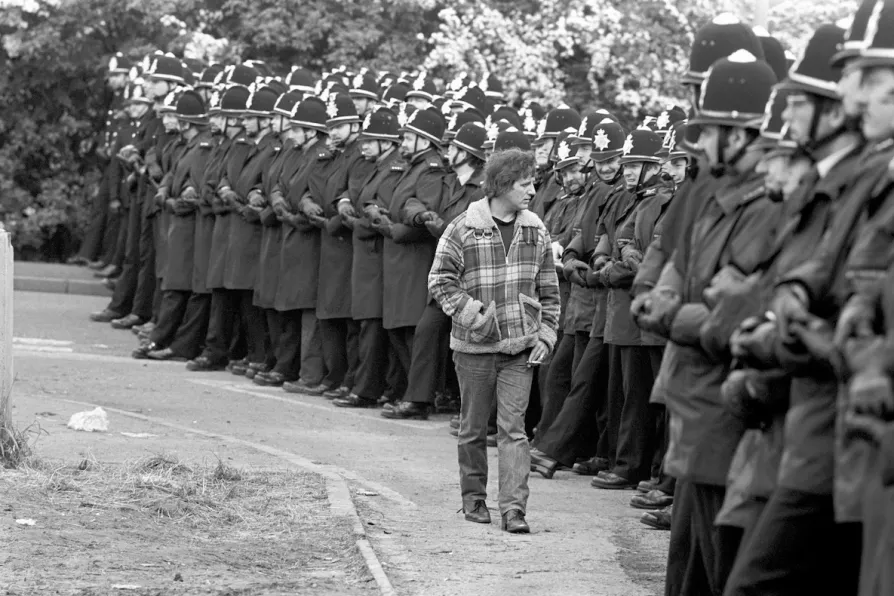 ASSISTANCE NEEDED? A worker faces down the massed ranks of the state during the miners’ strike, June 1984

Campaigners from across the continent will gather in Brussels on June 14 to oppose Europe’s accelerating militarisation and cuts to public services, write MAGGIE SIMPSON and BOB ORAM of No Cold War Britain
National co-ordinator for General Strike 100, HENRY FOWLER, continues his nationwide tour of partner organisations by visiting the Modern Records Centre at Warwick University
GEOFF BOTTOMS recalls meeting Fidel Castro in the ’90s after joining a Pastors for Peace caravan to Cuba, and reflects on how international support is still vital to help the island withstand economic warfare
The Ivors Academy’s hike in entry fees could turn this respected peer-assessed event into an exclusive preserve for those wealthy enough to compete, warns BEN LUNN
Peter Murrell’s weakness for the allure of prestige goods is symptomatic of modern consumer culture, says MATT KERR


THE Unite project to create a bottom-up history of the TGWU (Unite’s precursor union) has involved interviewing union members in every region in order, as Sharon Graham explains in the foreword, to “bring the human dimension” to union history.
The fifth and latest instalment of the history of the TGWU covers the years 1974-92. As one of the leading labour movement historians of her generation, Mary Davis cites previously unpublished material from TGWU archives, conference speeches and even private diary entries from general secretaries; but it is the voices of rank-and-file union activists that really bring this book to life.
Val Burn, a TGWU activist at Imperial Typewriters in Hull, recollects how in 1974 union members started their historic 181-day sit-in after the US multinational sent letters to workers’ homes telling them their plant was closed with immediate effect:

Similar stories

The General Strike exposed the power of the working class — and the limits of its leadership, writes Dr DYLAN MURPHY

A past confrontation permanently shaped the methods the state will use to protect employers against any claims by their employees, writes MATT WRACK, but unions are readying to face the challenge

Corbyn and Sultana’s ‘Your Party’ represents the first attempt at mass socialist organisation since the CPGB’s formation in 1921, argues DYLAN MURPHY

KEVAN NELSON reveals how, through its Organising to Win strategy, which has launched targeted campaigns like Pay Fair for Patient Care, Britain’s largest union bucked the trend of national decline by growing by 70,000 members in two years