

 Latest editorial
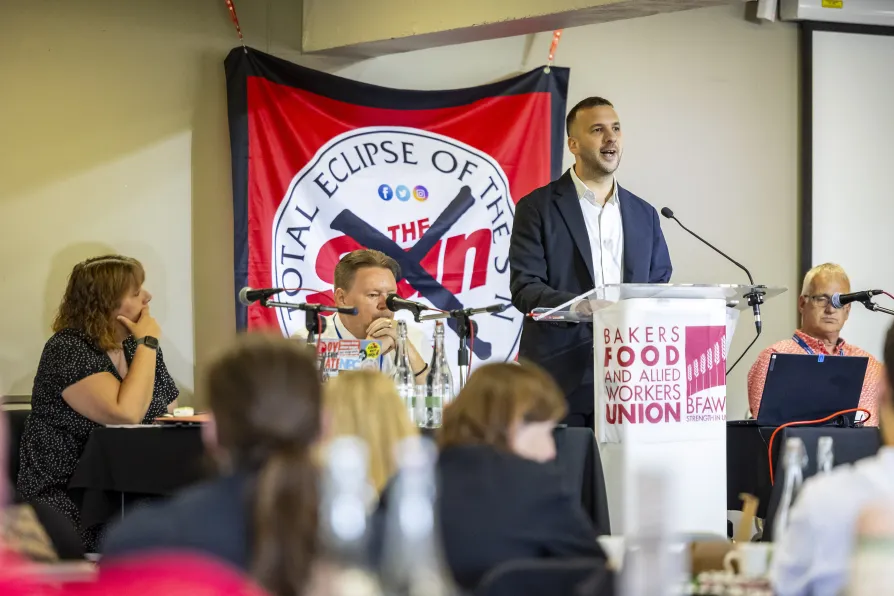


TORY plans to restrict union rights could spark the first general strike since 1926, Aslef train drivers’ union leader Mick Whelan said yesterday.
Unions reacted furiously on Wednesday when the Tory manifesto was published with a pledge to impose a 50 per cent turnout threshold on strike ballots.
Aslef would be hit by the harsher restrictions planned for transport workers and other “essential service” staff.
The union called the plans an attack on democracy.


The General Strike exposed the power of the working class — and the limits of its leadership, writes Dr DYLAN MURPHY
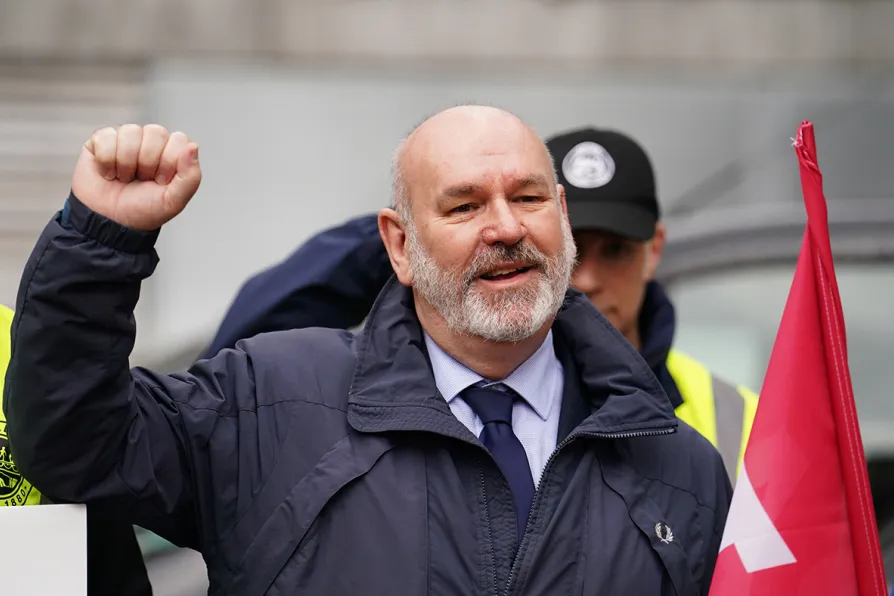
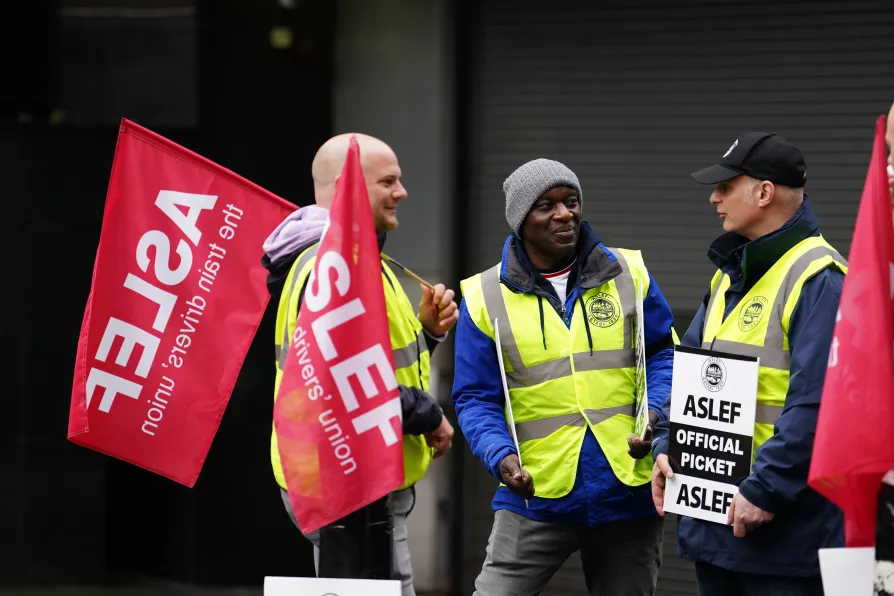
As the labour movement meets to remember the Tolpuddle Martyrs, MICK WHELAN, general secretary of train drivers’ union Aslef, says it’s an appropriate moment to remind the Labour government to listen to the trade unions a little more
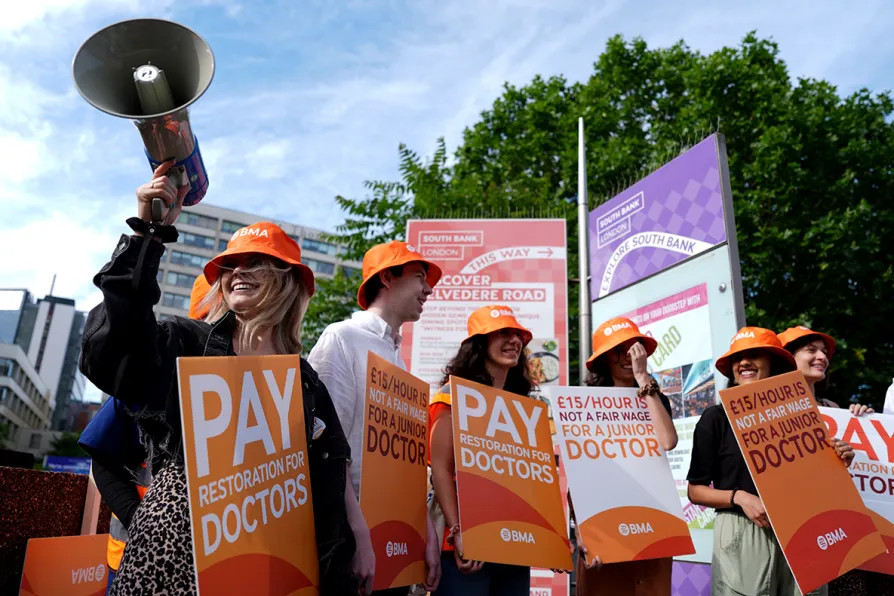
It is only trade union power at work that will materially improve the lot of working people as a class but without sector-wide collective bargaining and a right to take sympathetic strike action, we are hamstrung in the fight to tilt back the balance of power, argues ADRIAN WEIR