

 Latest editorial
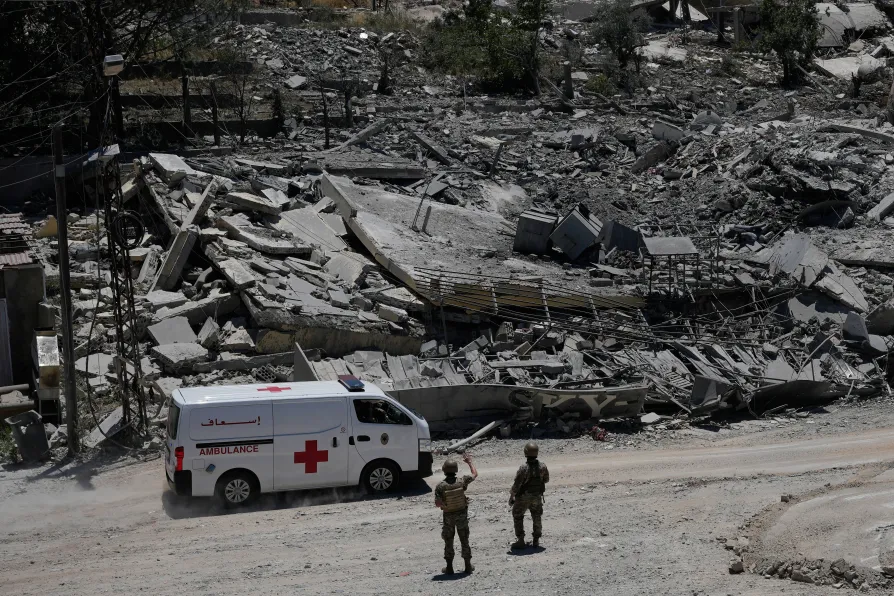


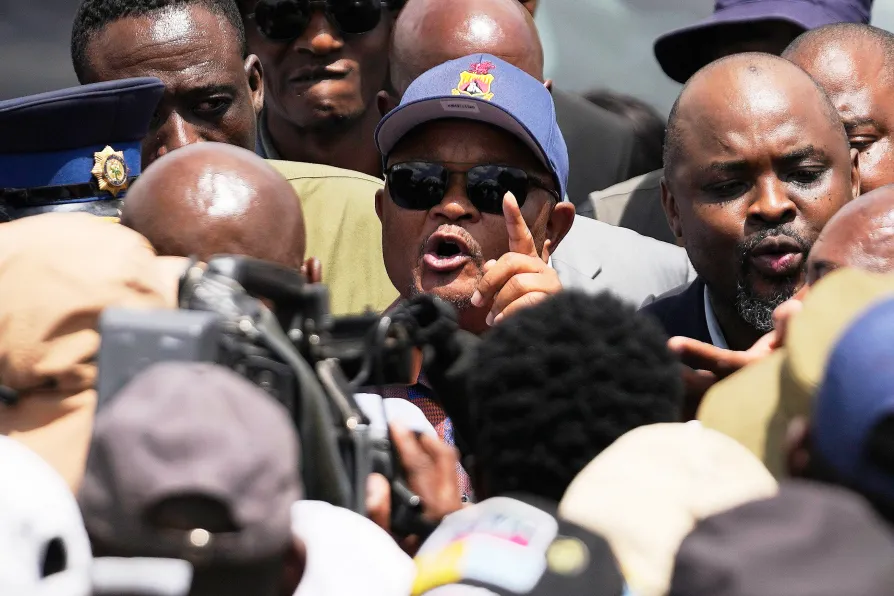
SOUTH AFRICAN President Jacob Zuma announced yesterday that an inquiry he commissioned into a 1999 multibillion-rand arms deal had revealed no fraud.
Britain’s BAE Systems, Sweden’s Saab, Germany’s Thyssen Krupp and France’s Thales and Thomson-CSF were all accused of offering bribes to secure lucrative contracts to supply warships, tanks, jet fighters and helicopters to the South African military.
Mr Zuma was sacked as vice-president in 2005 after his associate Schabir Shaik was convicted of corruption and fraud with respect to the deal and his relationship with Mr Zuma.

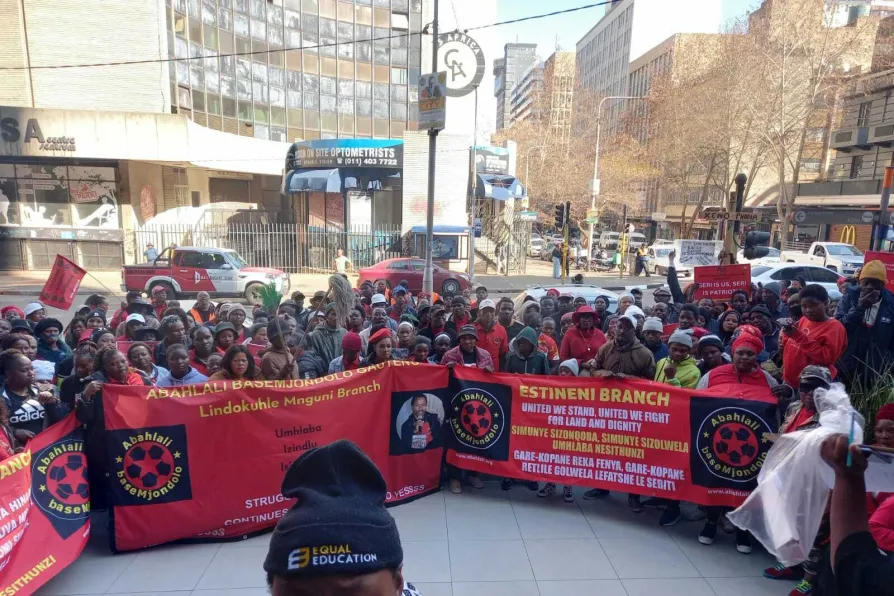
We are experiencing a wave of organised, often deadly violence targeting migrants from other parts of Africa — but the poorest South Africans reject this hatred, staying true to the spirit of Ubuntu and Pan-African unity, reports NIGEL BRANKEN
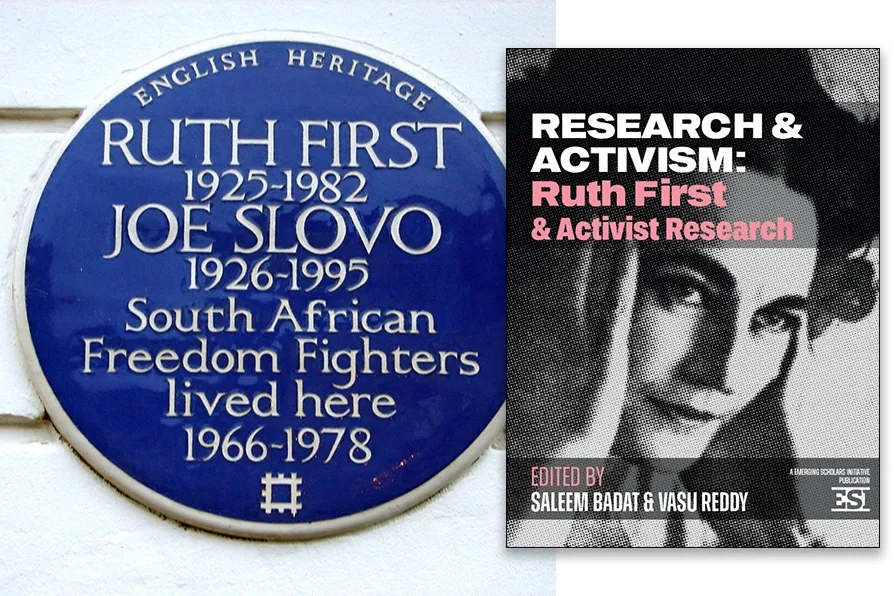
SALEEM BADAT and VASU REDDY introduce a new book about an outstanding interpreter of the world, and an activist scholar committed to changing society
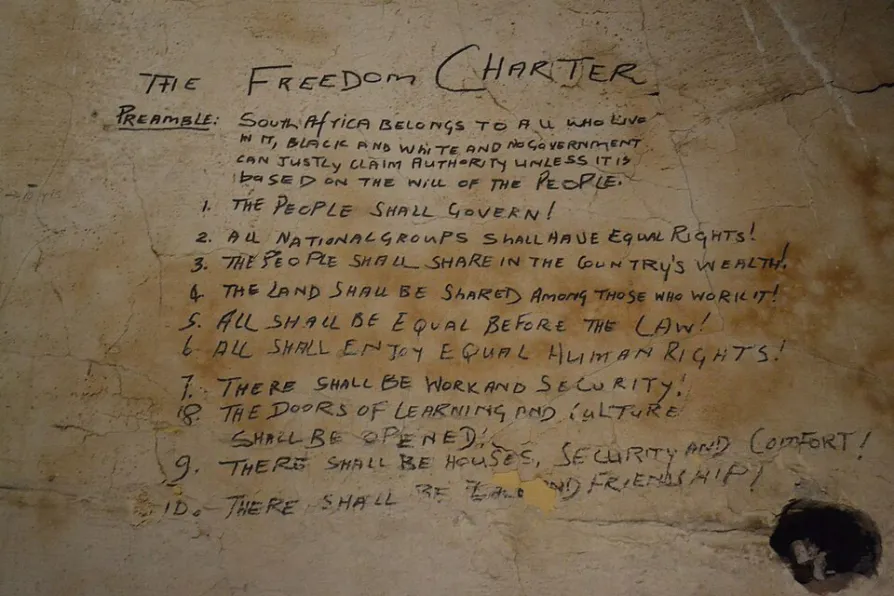
The charter emerged from a profoundly democratic process where people across South Africa answered ‘What kind of country do we want?’ — but imperial backlash and neoliberal compromise deferred its deepest transformations, argues RONNIE KASRILS