

 Latest editorial
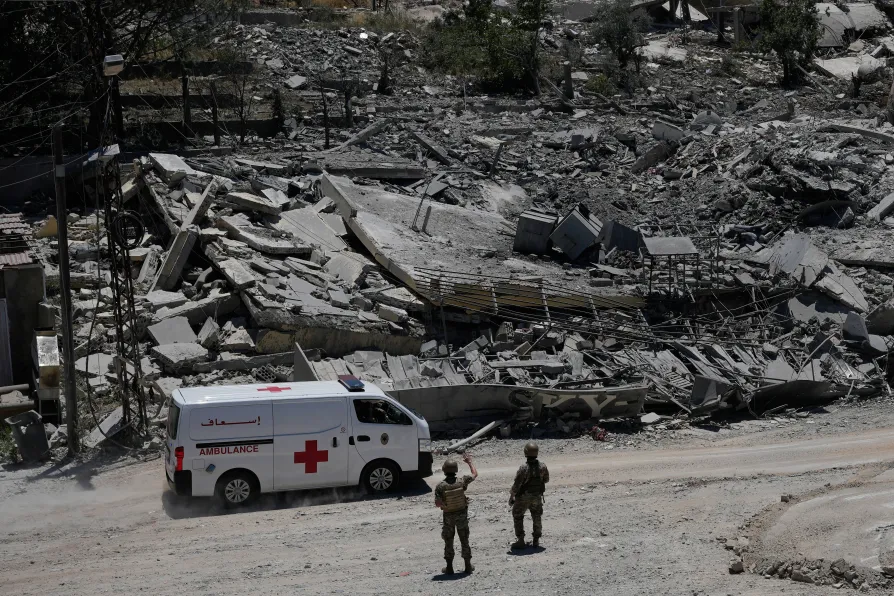


SOUTH AFRICA confirmed yesterday it was pulling out of the International Criminal Court (ICC) — days after Burundi did the same.
Justice Minister Michael Masutha said the government would soon submit a Bill to parliament for withdrawal from the Hague court which has only ever prosecuted Africans.
A leaked letter from International Relations Minister Maite Nkoana-Mashabane on Thursday invoked withdrawal from the ICC effective after a year.

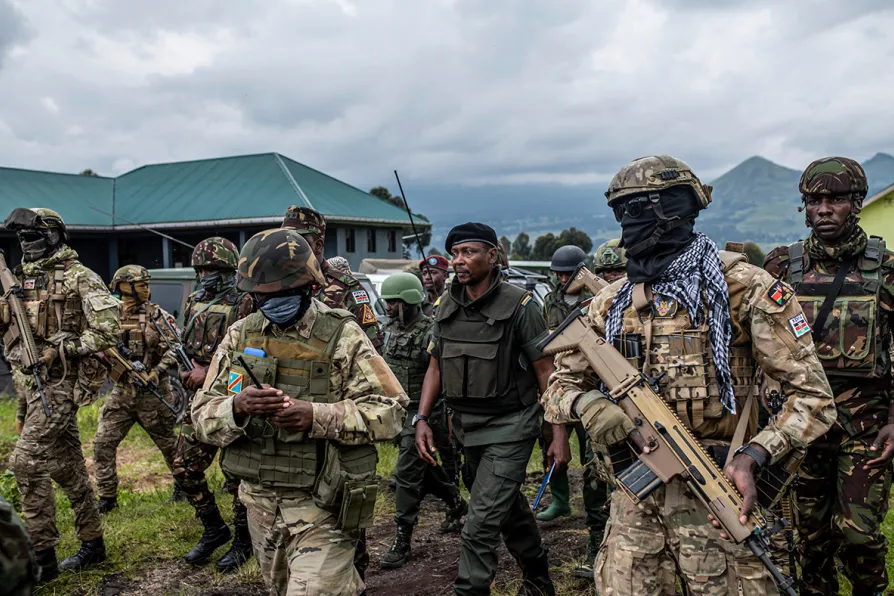
As the world marks International Women’s Day, African women warn that wars, mineral grabs and militarism are drowning out promises of peace. Human rights defender MARIE-CLAIRE FARAY explains
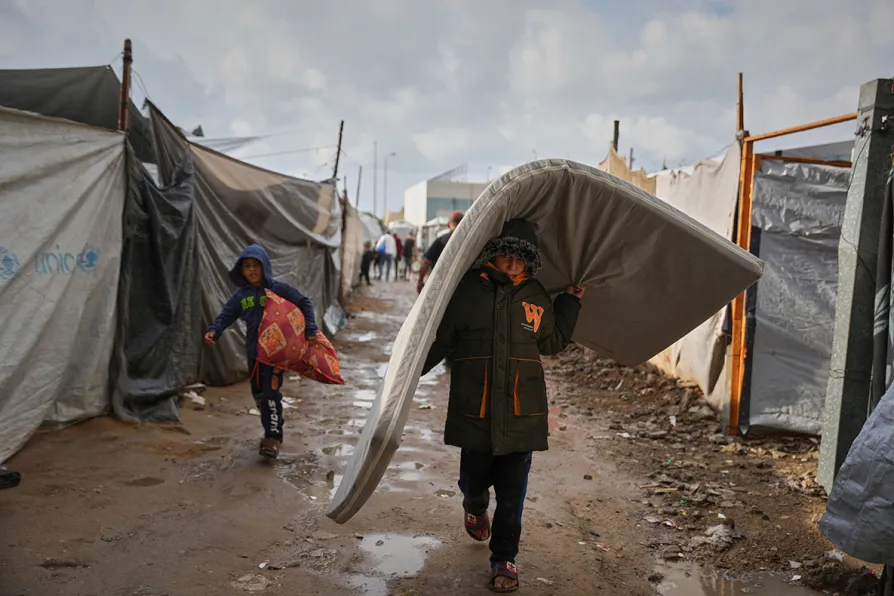
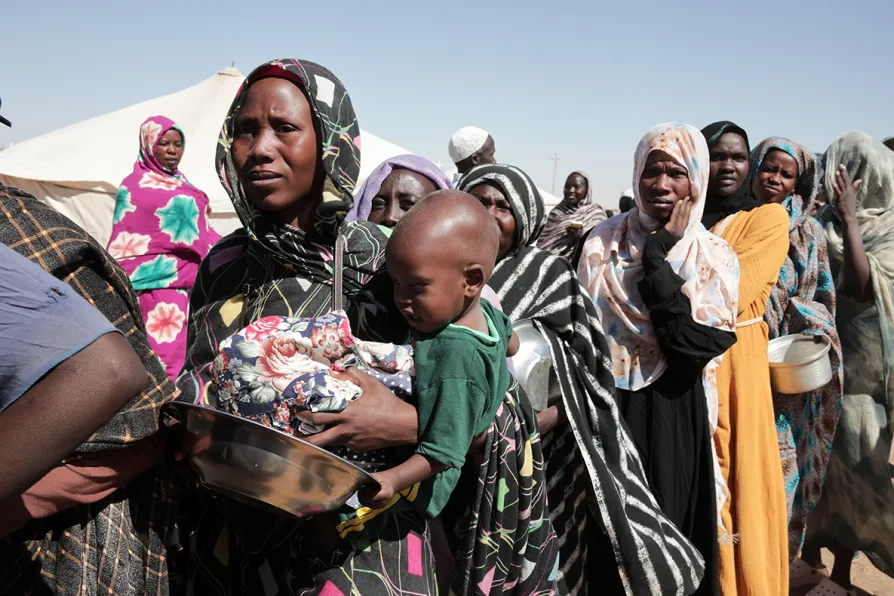
ROGER McKENZIE shines a light on conflicts in Sudan and Nigeria, where Western powers are intent on laying claim to valuable resources necessary for market dominance
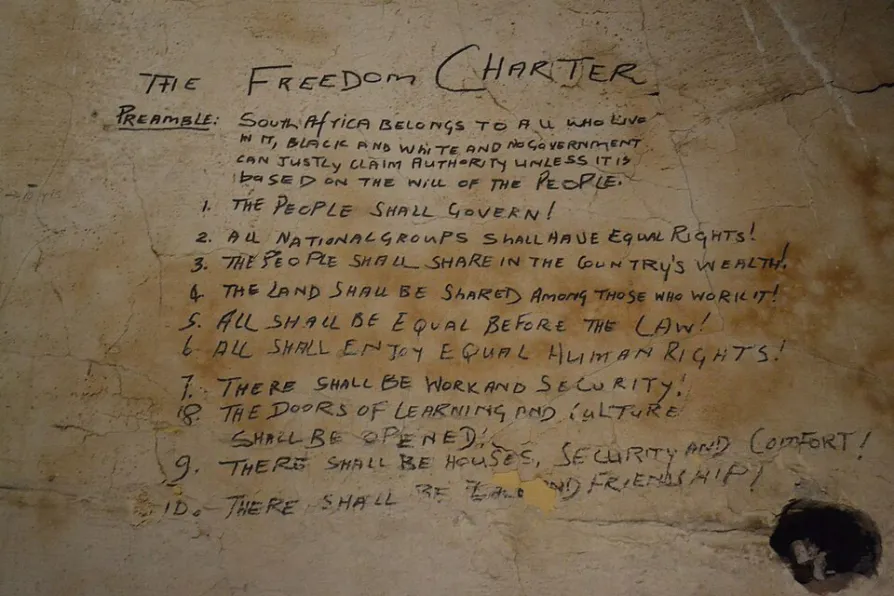
The charter emerged from a profoundly democratic process where people across South Africa answered ‘What kind of country do we want?’ — but imperial backlash and neoliberal compromise deferred its deepest transformations, argues RONNIE KASRILS