PAUL DONOVAN is chilled by the contemporary resonance of Harper Lee’s coming of age tale amidst racism and white supremacy in this excellent production


 Latest editorial
Reading revolution for the written-off
James Walker reports on an innovative literacy project for marginalised young people in Nottingham

GEOFF BOTTOMS recommends the unashamedly light-hearted escapism on offer in this stage version of the 1963 film
Full of mysterious religious references and radical sound design, the Scottish duo’s new offering is candidate for album of the year, suggests SIMON DUFF
MARY CONWAY revels in a powerful reminder that human lives are not defined by physical perfection
PAUL DONOVAN recommends the fine performances in this account of the pre-war meeting between the US president and the British king
TECLYN AROD relishes an intimate celebration of jazz improvisation that mixes local and national musicians


I despise illiteracy and would go so far as to classify it as a form of child abuse, given how profoundly it can shape an entire life.
England’s never had it so good when it comes to this shameful social problem. According to a major study by the Organisation for Economic Co-operation and Development (OECD), it holds the unenviable title of 22nd most illiterate country out of 24 industrialised nations.
The study involved over 166,000 adults and went as far as to suggest the potential threat of “downward mobility,” whereby the younger population is less educated than the older generation. Not what you’d expect in the so-called information age.

Similar stories

The real ‘humanitarian threat’ isn’t Cuba but the United States, where poverty, lack of healthcare and illiteracy abound, writes LINDA PENTZ GUNTER

A teaching delegation to Cuba offered IAN DUCKETT a powerful glimpse into a schooling system defined by care, creativity and the legacy of the island’s remarkable 1961 literacy campaign
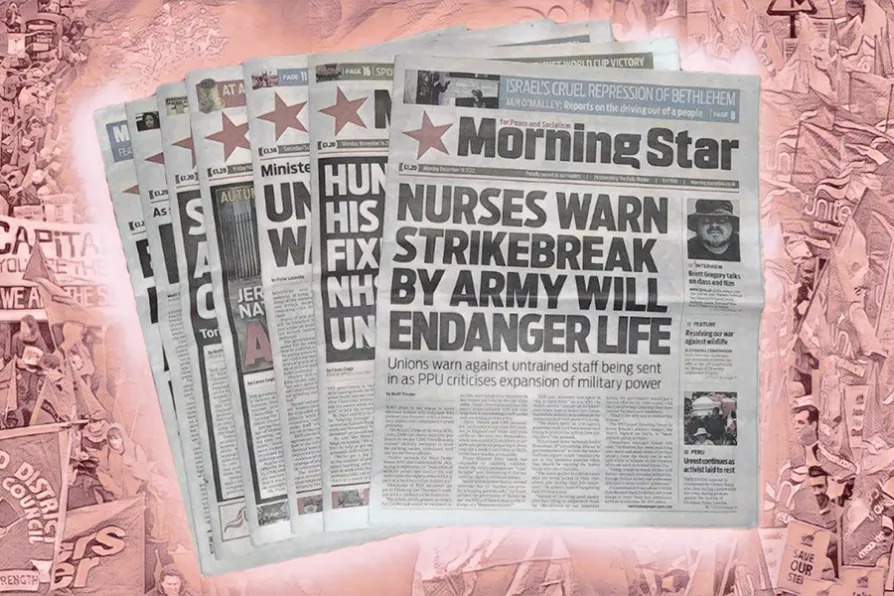
BERNADETTE KEAVENEY announces a simplified and streamlined way to get your paper delivered daily, and a big push for new readers that we can all help make into a success
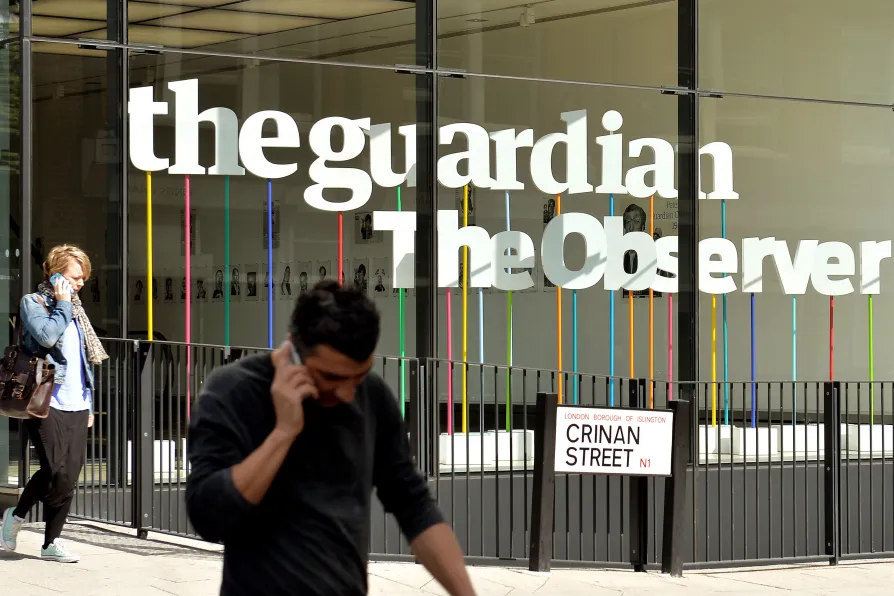
At the very moment Britain faces poverty, housing and climate crises requiring radical solutions, the liberal press promotes ideologically narrow books while marginalising authors who offer the most accurate understanding of change, writes IAN SINCLAIR