

 Latest editorial
Players stress importance of unity and describe how war affects their preparations for the tournament
Free Lions fan group accuses governing body of prioritising profit over supporter safety


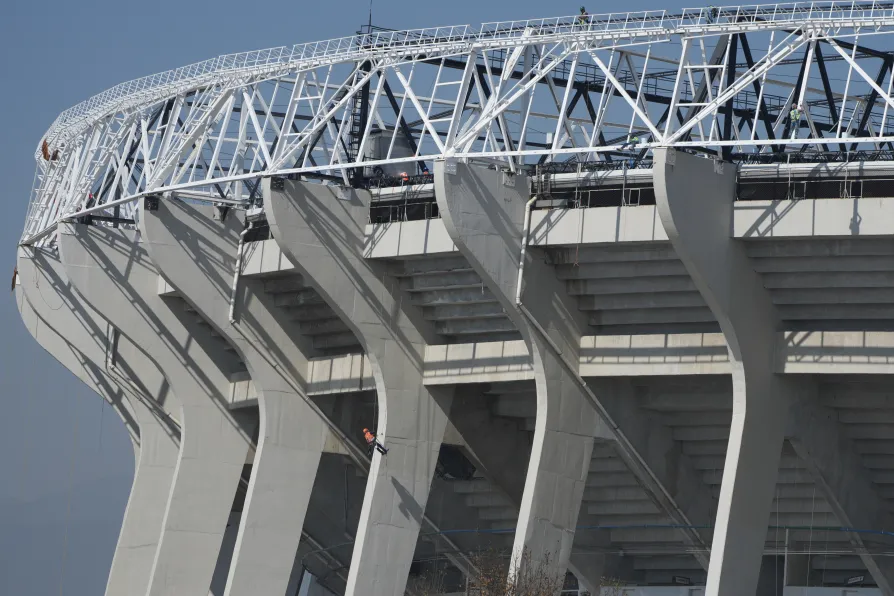
GMB called on British construction firms to work with the Philippines Workers Association which launched yesterday, in a bid to prevent any more workers from dying building World Cup stadiums in Qatar.
An estimated 1.7 million migrant workers are still being forced to build the 2022 World Cup stadiums working under the kafala system, which sees workers forced to pay recruitment fees, having their passports confiscated, non-payment of wages as well as health and safety breaches, with over 7,000 workers expected to die before a ball is kicked in seven years.
A new union has been set up with the support of the government of the Philippines in an attempt to create safer working and living conditions for those building the infrastructure for the international football tournament — but unions are illegal in Qatar.

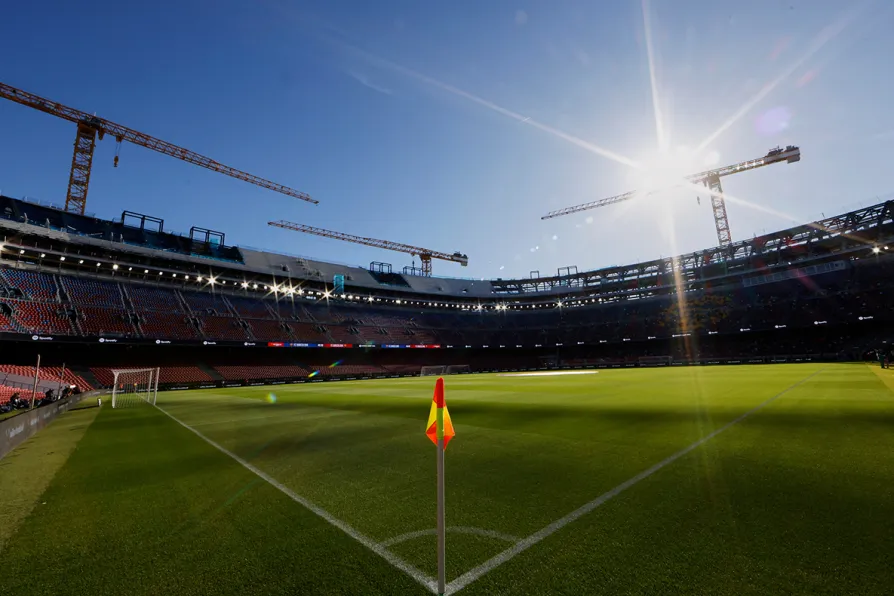
As unions sound the alarm on kafala-like dependence, FC Barcelona must decide whether their values extend beyond the pitch, writes KIVANC ELIACIK

Huge protests against corruption and preventable deaths during flooding have rocked the government — the masses are not likely to be able to take direct control in their own interests yet, writes KENNY COYLE, but it’s a promising show of people power
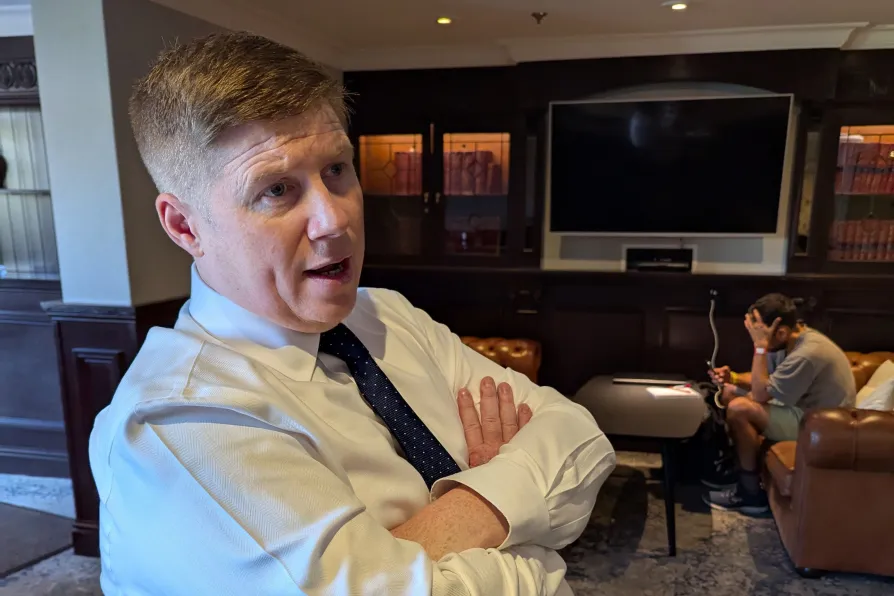
Ben Chacko talks to RMT leader EDDIE DEMPSEY about how the key to fixing broken Britain lies in collective sectoral bargaining, restoring unions’ ability to take solidarity strike action and bringing about the much-vaunted ‘wave of insourcing’