PAUL DONOVAN is chilled by the contemporary resonance of Harper Lee’s coming of age tale amidst racism and white supremacy in this excellent production


 Latest editorial
Future fiction shaped by present realities
The publication of an insightful academic study of science fiction causes writer KEN MACLEOD to reflect on a genre in continual and radical development

GEOFF BOTTOMS recommends the unashamedly light-hearted escapism on offer in this stage version of the 1963 film
Full of mysterious religious references and radical sound design, the Scottish duo’s new offering is candidate for album of the year, suggests SIMON DUFF
MARY CONWAY revels in a powerful reminder that human lives are not defined by physical perfection
PAUL DONOVAN recommends the fine performances in this account of the pre-war meeting between the US president and the British king
TECLYN AROD relishes an intimate celebration of jazz improvisation that mixes local and national musicians


Science fiction has only recently become a respectable topic for academic study. Much of that study has been informed by Marxism and other radical theories and there is probably no other area of literary study where Marxist critics have done so much to set the agenda. Students will find a basic knowledge of SF useful at many different points in the humanities, not to mention the sciences.
However, for new students the academic criticism of SF can be daunting. The kind of Marxism found in literary and film theory can seem unrecognisable to active socialists and even to Marxist economists and historians. The texts, films and shows selected for analysis often give an impression of the genre that's hard to square with what SF fans and casual readers will have formed for themselves.
To some extent this is unavoidable. Films such as Blade Runner or The Matrix are bound to be more interesting to theorists than, say, Star Wars or The Day After Tomorrow. Writers such as Ursula Le Guin, Philip K Dick and William Gibson will be more closely studied than, say, Lois McMaster Bujold, Arthur C Clarke and Justina Robson, all of whom are popular, thoughtful and thought-provoking. Literary criticism is a specialised field, which since the 1970s has undergone one theoretical upheaval after another. And the record of attempts to apply the insights of historical materialism to literature and culture, though rich, has not always been happy.

Similar stories

MATTHEW HAWKINS relishes the literary output of autistic writers, and recommends its insight to readers both including and beyond the community themselves

ALAN McGUIRE welcomes a biography of the French semiologist and philosopher
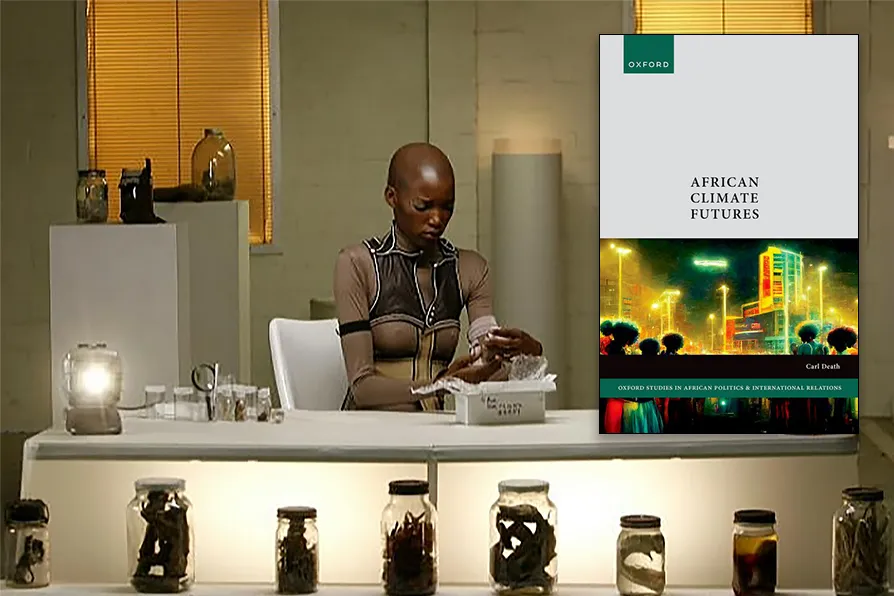
CARL DEATH introduces a new book which explores how African science fiction is addressing climate change

At the very moment Britain faces poverty, housing and climate crises requiring radical solutions, the liberal press promotes ideologically narrow books while marginalising authors who offer the most accurate understanding of change, writes IAN SINCLAIR