PCS general secretary FRAN HEATHCOTE explains why opposing war is inseparable from defending jobs, wages and public services – and why readers should come to the London Peace Conference on Saturday June 20


 Latest editorial
Children are more than just numbers on a spreadsheet
By Gawain Little

As protests erupt over Henry Nowak’s murder, ANDREW MURRAY argues that anger is being exploited to advance a wider racist and anti-immigration agenda
CARLOS MARTINEZ explains the sound case for car manufacturing co-operation with China
The National Emergency Briefing outlines the need for urgent action to address environmental crisis, says PAUL DONOVAN, warning that there’s no time to indulge the arguments of the fossil-fuel-funded climate-change deniers
Campaigners say criticism of Labour MP Stephen Morgan’s position on Gaza has been met with police intervention and cancelled opportunities for debate. HESTER WOLFE reports
The Committee for the Defence of Iranian People’s Rights warns of escalation danger in Iran war


I AM sick to the back teeth of the reductionist, box-ticking, curriculum-narrowing, enthusiasm-crushing, soul-destroying, high-stakes exam factory culture that hangs, like a dark oppressive cloud of broken dreams, over our schools and our children’s education.
OK. That may seem a little strong but, if like me, you are a primary school teacher, or have a child in primary school, I suspect you know where I am coming from.
Don’t get me wrong. I’m not opposed to assessment. How could I be? It is at the very heart of what I do as a teacher. I assess children’s learning from the moment they enter my classroom at 8.40am until I finish my marking at 11pm.

Similar stories

A teaching delegation to Cuba offered IAN DUCKETT a powerful glimpse into a schooling system defined by care, creativity and the legacy of the island’s remarkable 1961 literacy campaign
Robinson successfully defended his school from closure, fought for the unification of the teaching unions, mentored future trade union leaders and transformed teaching at the Marx Memorial Library, writes JOHN FOSTER
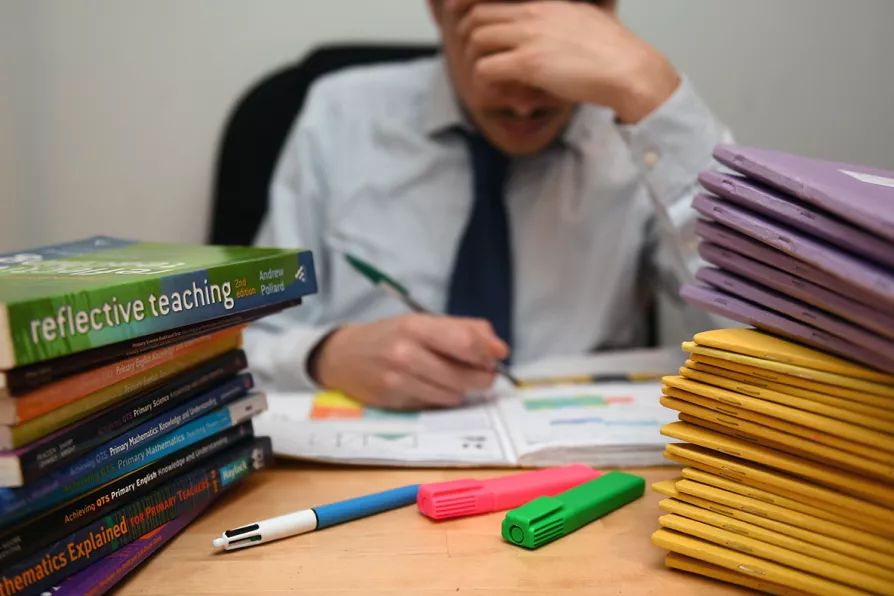

NICOLA SARAH HAWKINS explains how an under-regulated introduction of AI into education is already exacerbating inequalities