A new generation of right-wing politicians have shifted from promoting deregulation to championing anti-migrant politics warns SOLOMON HUGHES


 Latest editorial

Clear Corbyn trips up the three ‘centrists’
The neoliberal deal is no longer the only one on the table of British politics, writes John Ellison
by the Greater Manchester Workers’ and Tenants’ Association
The US relationship with Israel has evolved into a strategic liability, argues RAMZY BAROUD
A champion motorcyclist, trade union organiser and communist, Clem Beckett went from Britain’s speedway tracks to the battlefields of Spain, where he gave his life resisting Franco’s forces at Jarama. GEOFF BOTTOMS pays tribute to this remarkable anti-fascist
The greatest threat to democracy may no longer come from political parties but from unelected tech oligarchs like Peter Thiel and his powerful Silicon Valley network, argues JOHN GREEN
Claiming to ease a fertiliser shortage, the Trump administration has suspended tariffs on Moroccan phosphate imports – deepening US support for the Morocco’s control over Sahrawi territory, writes LUKE ROTELLO


JUNE 15 was a defining moment in the history of our movement. It was the day that the shortlist of applicants for the post of Labour’s next leader was settled.
Four candidates, having received 35 or more parliamentary nominations necessary to join that list, were in the race. One of them was Islington North’s socialist MP Jeremy Corbyn, a veteran backbencher, “an old white guy.” Reportedly his clinching nominations were received with minutes to go before the midday deadline. If that is so, the phrase “A week is a long time in politics” can now start with “15 minutes” instead.
The other three aspirants, Andy Burnham, Yvette Cooper and Liz Kendall, are all shadow ministers, and the first two were ministers under Gordon Brown’s government before the 2010 general election thrust Labour out of power. Burnham led the field with almost 70 nominations, Cooper was a strong second with almost 60 and Liz Kendall had 41, five more than Corbyn’s 36. Corbyn had scraped on to the ballot with one vote to spare, and, among national newspapers, only the Morning Star, on June 15, was confident of his prospects before the ballot closed. The real contest would now begin.

Similar stories
Can entrenched institutional power be overcome?
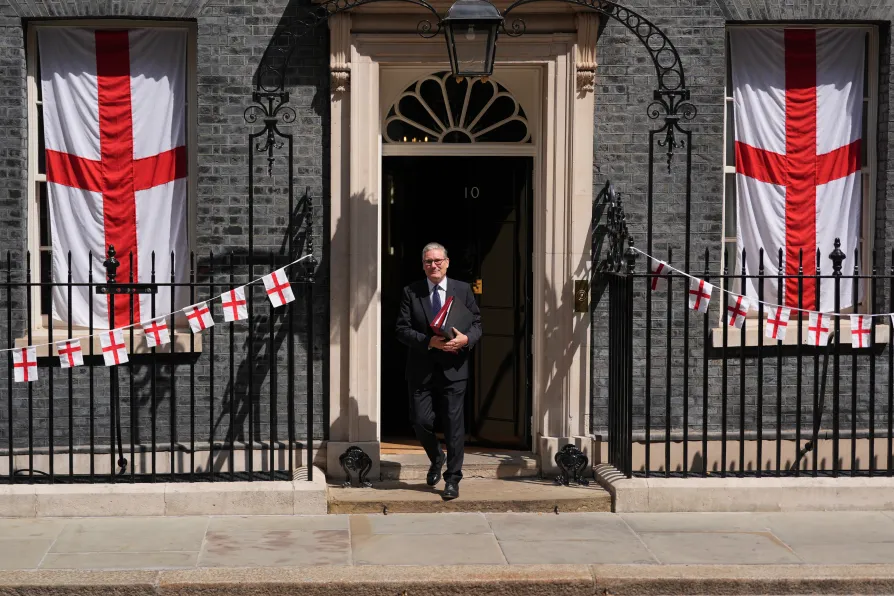
Meanwhile, incoming PM Andy Burnham dithers over who should be his Chancellor