MARIA DUARTE, JAMES WALSH and ANDY HEDGECOCK review The Invite, My Father’s Island, Nirvanna: the Band, the Show, the Movie, and Oh My Goodness!


 Latest editorial
A questionable ‘communism’
Philosophy and the Idea of Communism
by Alain Badiou and Peter Engelmann
(Polity, £9.99))

PAUL DONOVAN is chilled by the contemporary resonance of Harper Lee’s coming of age tale amidst racism and white supremacy in this excellent production
GEOFF BOTTOMS recommends the unashamedly light-hearted escapism on offer in this stage version of the 1963 film
Full of mysterious religious references and radical sound design, the Scottish duo’s new offering is candidate for album of the year, suggests SIMON DUFF
MARY CONWAY revels in a powerful reminder that human lives are not defined by physical perfection
PAUL DONOVAN recommends the fine performances in this account of the pre-war meeting between the US president and the British king
TECLYN AROD relishes an intimate celebration of jazz improvisation that mixes local and national musicians


NO BEGINNER’S text, Philosophy and the Idea of Communism assumes a deep knowledge of Hegel — arguably the most arcane of Western philosophers — with no introduction to guide the casual reader.
Even so, its dialogic form is eminently readable, with Badiou and Engelmann making their entry point the distinction between the “individual” — the human animal — and the “subject” — one summoned to participate in one of life’s processes — only alighting explicitly on Marx and communism some 26 pages in. Although a little laboured at times, this discussion lays important theoretical groundwork for the remainder of the book.
The electoral process holds no value for Badiou, who declares that “what we call democracy is simply the organisation of the power of the dominant hegemony. It’s the process that legitimises or establishes domination. We have to stop concerning ourselves with it.”

Similar stories
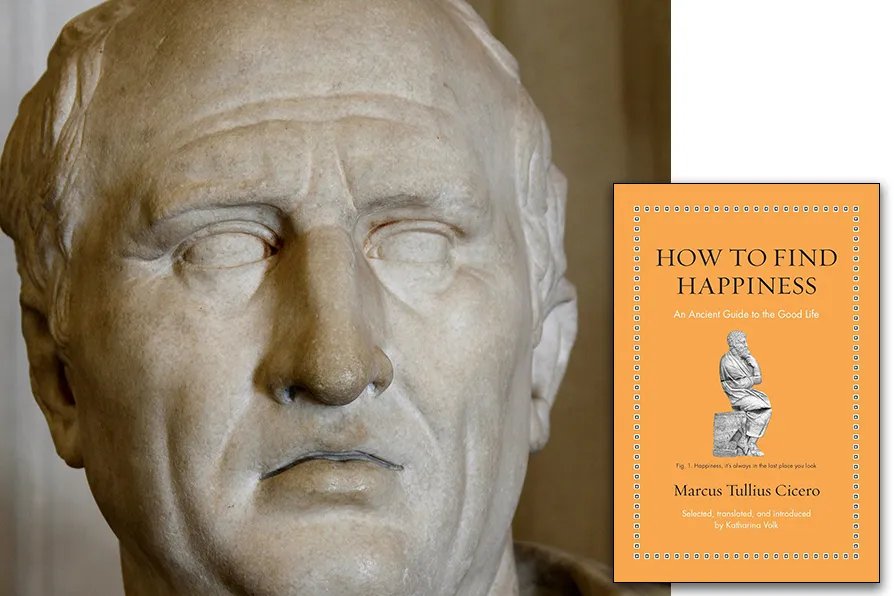
MARTIN HALL examines the way the Roman orator took on different schools of philosophy
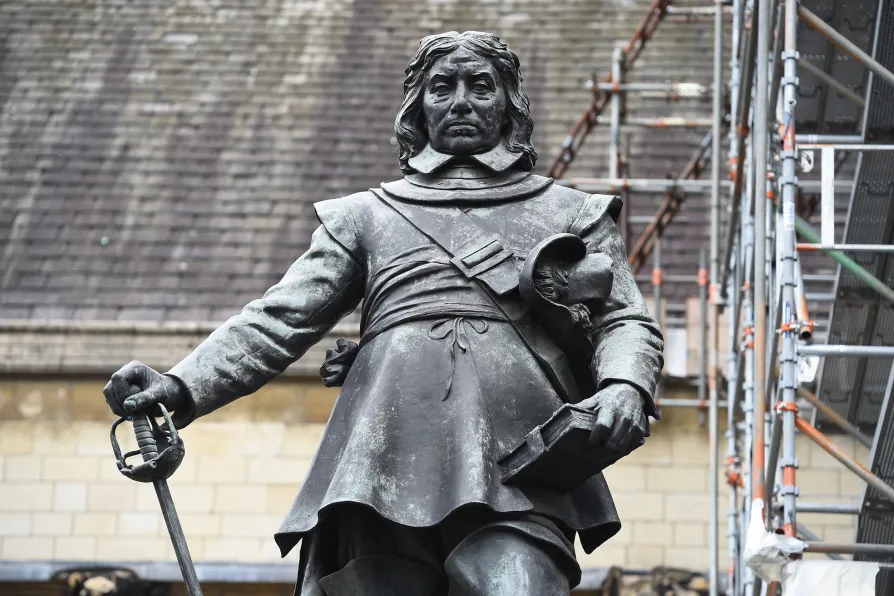
The selection, analysis and interpretation of historical ‘facts’ always takes place within a paradigm, a model of how the world works. That’s why history is always a battleground, declares the Marx Memorial Library
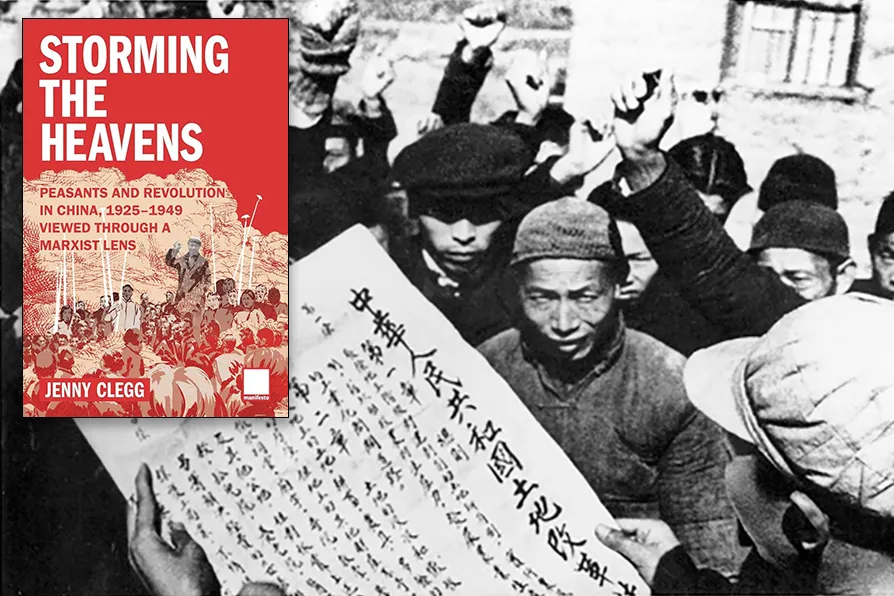
BEN CHACKO welcomes a masterful analysis that puts class struggle back at the heart of our understanding of China’s revolution
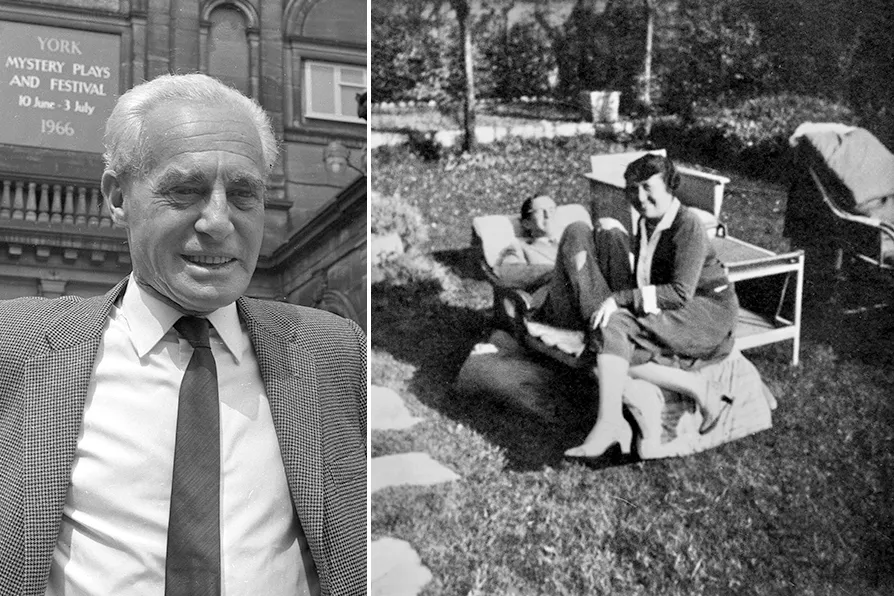
The creative imagination is a weapon against barbarism, writes KENNY COYLE, who is a keynote speaker at the Manifesto Press conference, Art in the Age of Degenerative Capitalism, tomorrow at the Marx Memorial Library & Workers School in London