

 Latest editorial
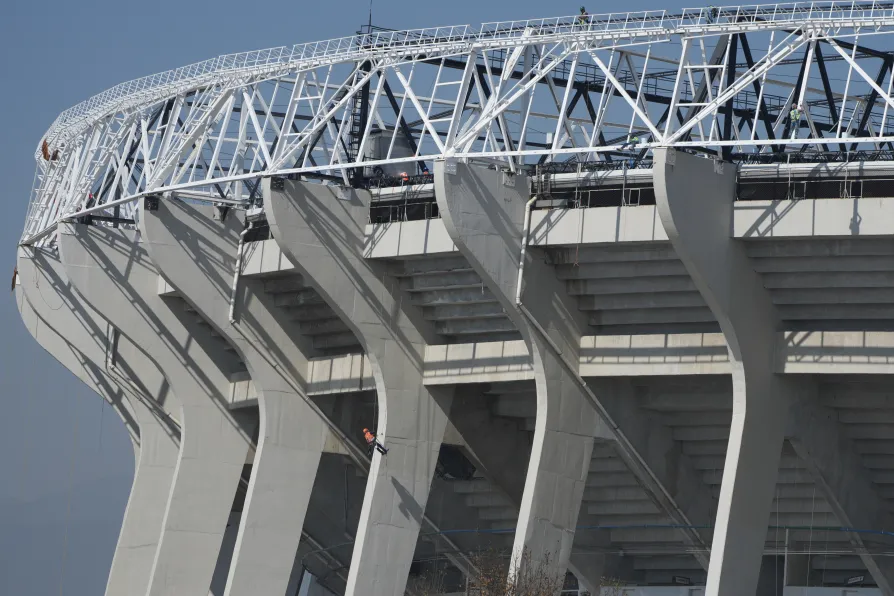
Players stress importance of unity and describe how war affects their preparations for the tournament
Free Lions fan group accuses governing body of prioritising profit over supporter safety


International Trade Union Confederation (ITUC) general secretary Sharan Burrow slammed Qatar’s labour law reforms yesterday calling them a “sham,” as migrant workers are still being forced to build the 2022 World Cup stadiums working under the kafala system.
Law changes announced by the government have added a new layer of repression for trapped workers, who now supposedly have the right to appeal to the Interior Ministry if they are refused permission to leave the country by their employer.
But with workers still unable to join a union or set up elected workplace and representative committees, the change does nothing to improve the terrible conditions migrants are forced to work under.

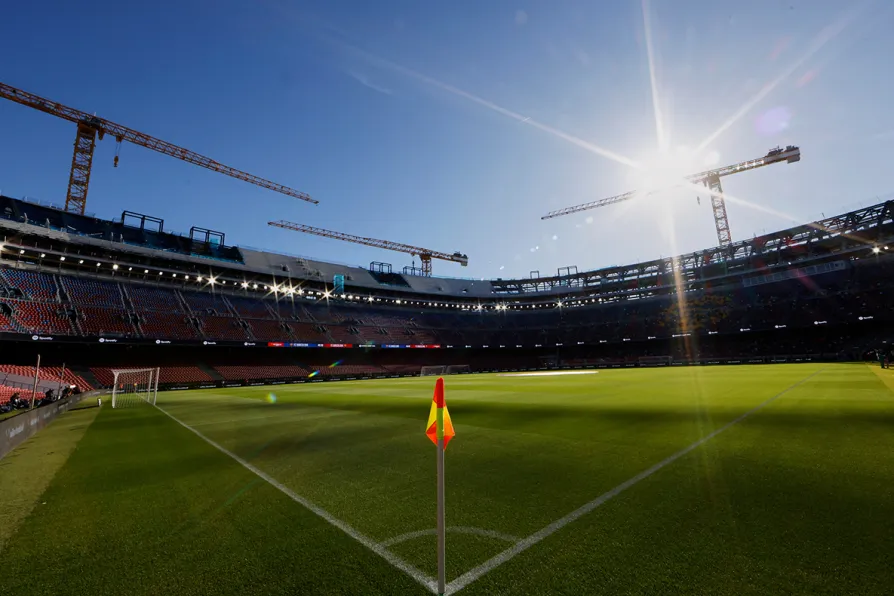
As unions sound the alarm on kafala-like dependence, FC Barcelona must decide whether their values extend beyond the pitch, writes KIVANC ELIACIK
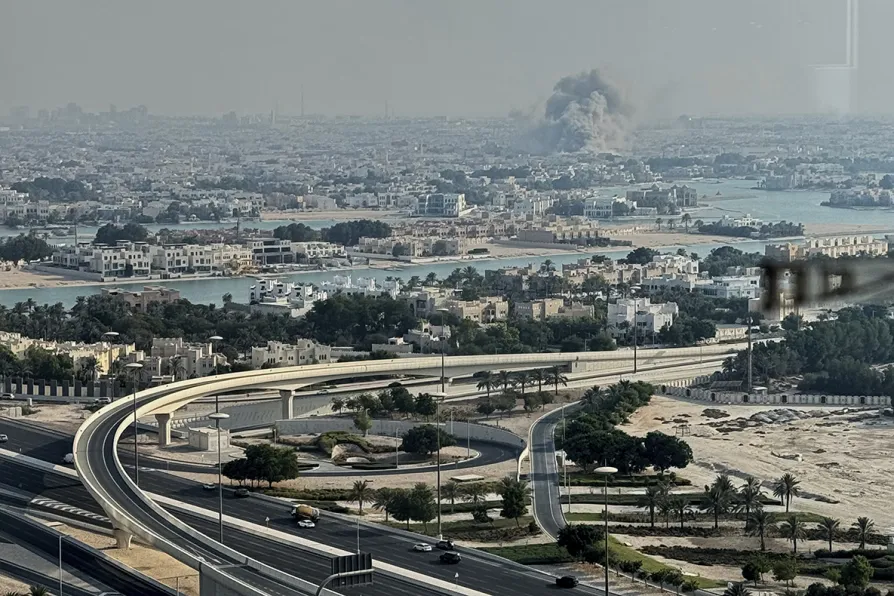
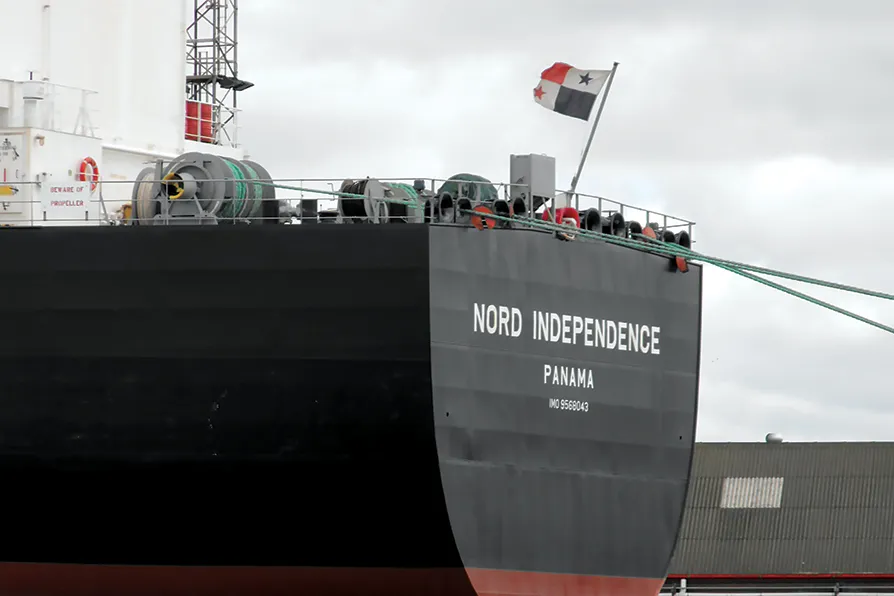
MARTYN GRAY asks TUC congress to endorse measures that would help stop the present exploitation of seafarers

It is only trade union power at work that will materially improve the lot of working people as a class but without sector-wide collective bargaining and a right to take sympathetic strike action, we are hamstrung in the fight to tilt back the balance of power, argues ADRIAN WEIR