The new Prime Minister must abandon decades of automatic support for US foreign policy, which makes us all less safe, argues DIANE ABBOTT MP


 Latest editorial

This nuclear has roots in the US
Most coverage on North Korea ignores the savagery directed at its people by US forces during the Korean war
Media Lens at 25: David Cromwell and David Edwards reflect on a quarter-century of media criticism, explaining why independent journalism is more important than ever
by Weyman Bennett and Maz’s family
The International Court of Justice has delivered its clearest ruling yet that the right to strike is protected under international law, write Professor TONIA NOVITZ, Professor KEITH EWING and Lord JOHN HENDY KC
Emergency phone alerts could help Britain respond to rising wildfire risk, but Australia’s experience suggests they work best as part of a broader strategy, write ELLIOT CONVERY-FISHER and KATE PARKINS
A champion motorcyclist, trade union organiser and communist, Clem Beckett went from Britain’s speedway tracks to the battlefields of Spain, where he gave his life resisting Franco’s forces at Jarama. GEOFF BOTTOMS pays tribute to this remarkable anti-fascist


SINCE the genocide inflicted on the people of Hiroshima and Nagasaki in August 1945 (an indescribably evil message to Japan, the world and very specifically to the Soviet Union that US military power should not be messed with), the risk that nuclear weapons may be reemployed has not gone away.
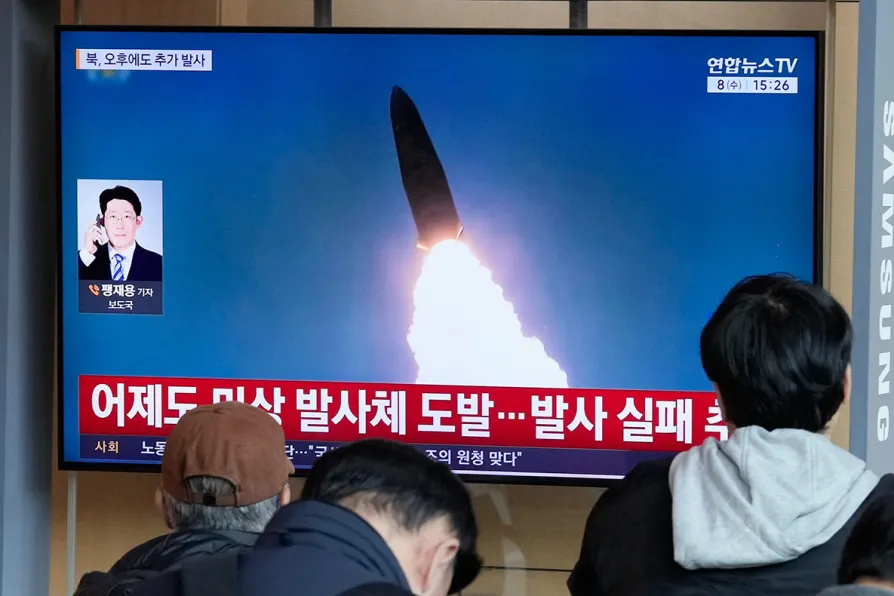
Might they be used to make a wasteland of North Korea, a country with a population of 25 million, yet possessing the third largest army in the world (1.3m, not much smaller than that of the US), and a country which has been refused recognition by Washington since 1948 and the subject of sanctions since 1950?
US President Donald Trump’s belligerent message on August 8 to the Pyongyang government of Kim Jong Un that “any more threats” to the US will be met by “fire and fury like the world has never seen” must make us hugely conscious of the risk of nuclear catastrophe.

Similar stories
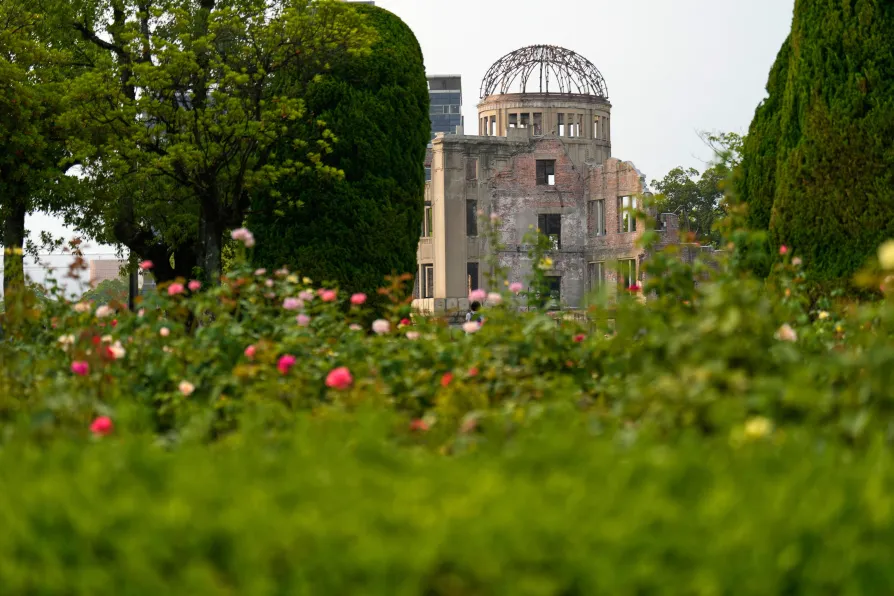
As we mark the anniversaries of the Hiroshima and Nagasaki bombings, JOHN WIGHT reflects on the enormity of the US decision to drop the atom bombs
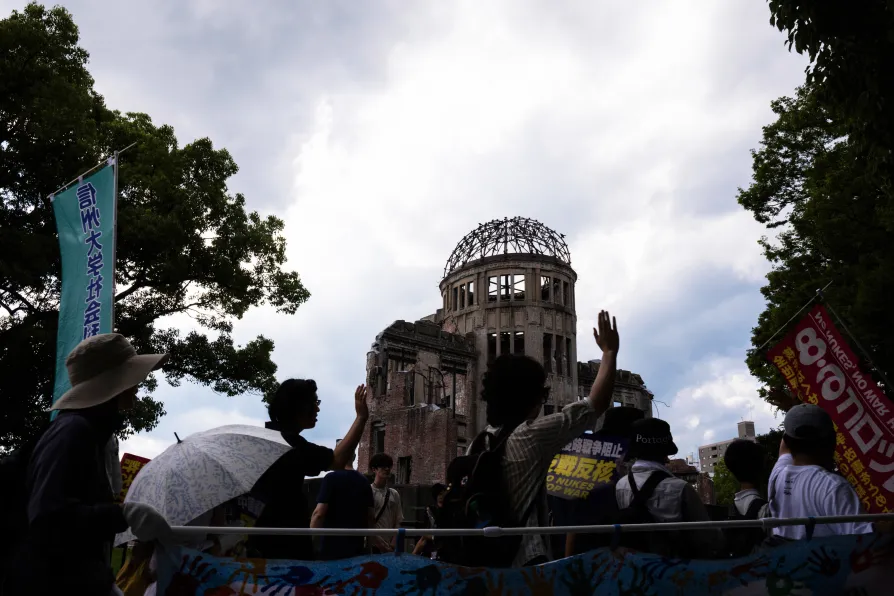
For 80 years, survivors of the Hiroshima and Nagasaki atomic bombings have pleaded “never again,” for anyone. But are we listening, asks Linda Pentz Gunter