While international actors discuss governance and reconstruction, Netanyahu has made it clear that Israel has no intention of ending its military occupation, says RAMZY BAROUD


 Latest editorial
The Story of the Shrewsbury Pickets
EILEEN TURNBULL looks back on Britain’s first-ever national building workers’ strike

NICK WRIGHT continues his series analysing the trends in European politics
We have the alternative economics, histories of our struggles and the confidence to change the world
General Federation of Trade Unions assistant general secretary HENRY FOWLER reports on the final day from the GFTU’s residential Summer School at the Workers’ Retreat, Quorn Grange Hotel
Capitalism has exploited — and polluted — our natural resources for too long, it’s time we treated our rivers as living beings, writes MIRIUM GAUNTLETT, LIAM SHAW and ROX MIDDLETON
Treating the Clacton by-election as a joke risks reinforcing the Reform leader’s claim to be the victim of an out-of-touch Establishment, argues JOHN McINALLY
MPs and others called for the urgent release of tortured Palestinian doctor, Hussam Abu Safiya, held hostage by Israel and reportedly near death, reports LINDA PENTZ GUNTER


BRITAIN’S first-ever national building workers’ strike took place in 1972. Construction workers faced hostile and powerful employers, lump labour and isolated workplaces that changed constantly whenever a contract finished.
Workers faced dangerous conditions on sites every day and there were no health and safety measures. One building worker died each working day in the early ’70s. Over 70,000 would suffer serious injury or illness each year. Ucatt, the T&G, FTAT and NUGMW were the main unions that had members in the industry.
Many industrial relations commentators thought that their strike was doomed to fail because of the difficulties in organising building workers compared with the highly unionised miners and dockworkers.

Similar stories
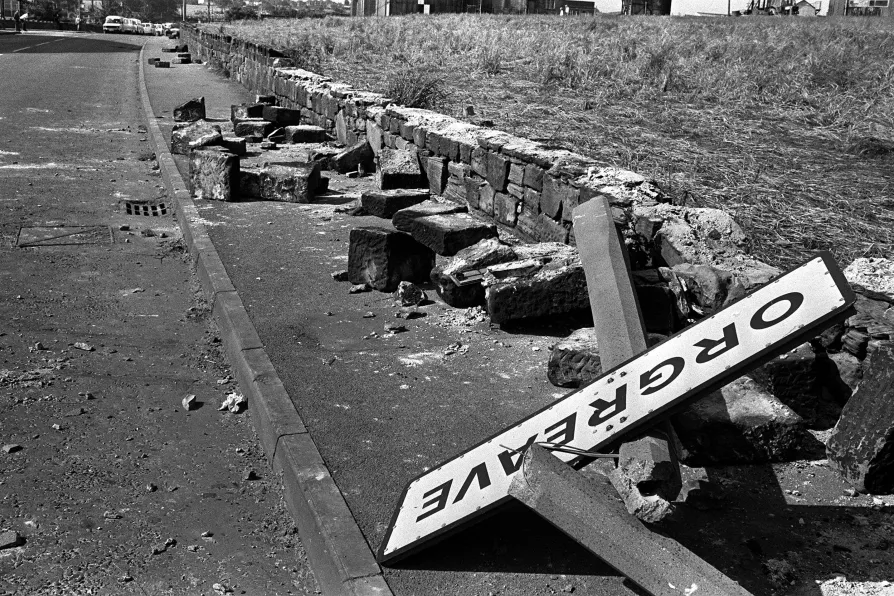
The public inquiry is the result of more than a decade of determined campaigning. Now, those who fought for justice want the full story of government involvement and police conduct to be told, says KATE FLANNERY
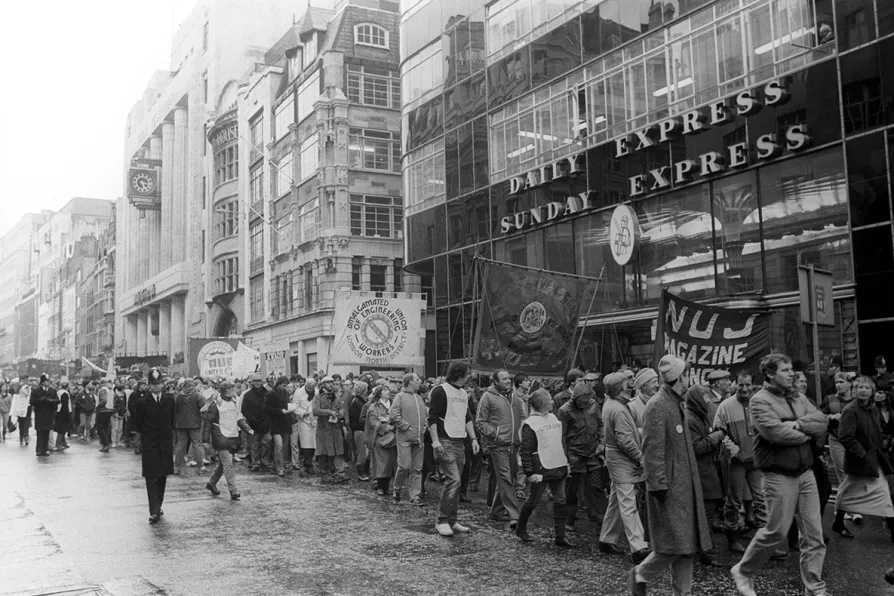
The newly catalogued News International Dispute Archive ensures the history of the Wapping dispute – and the solidarity it inspired – is preserved, accessible and alive for future generations, says MATT DUNNE
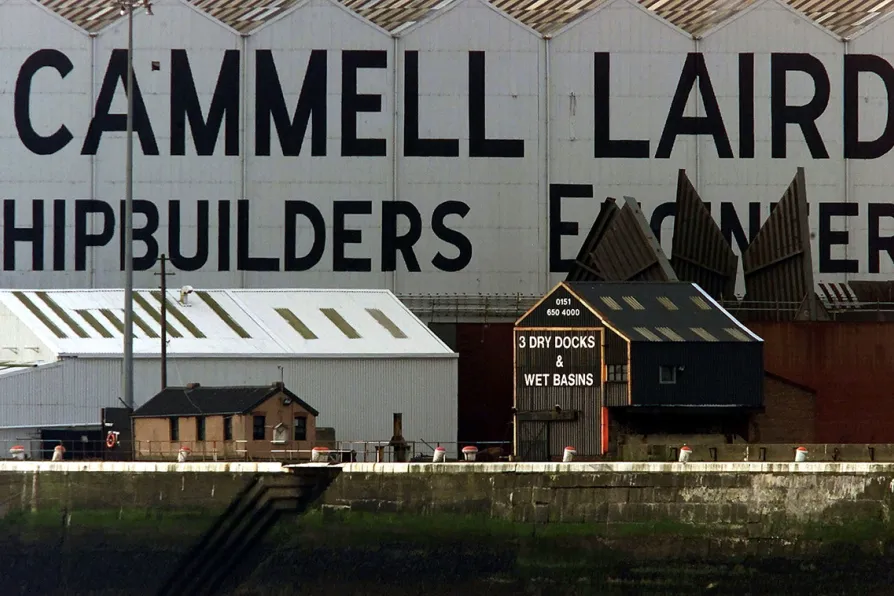
KIM JOHNSON MP places the campaign in the context of the history of the working-class battles of the 1980s, and explains why, just like Orgreave and the Shrewsbury Pickets before it, justice today is so important for the struggles of tomorrow
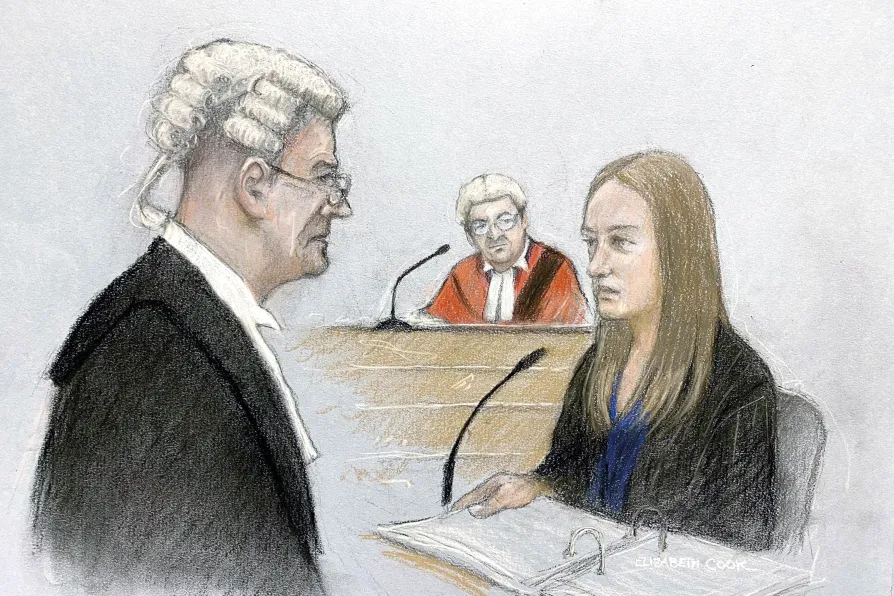
Former judge ANSELM ELDERGILL examines the details and controversy of Lucy Letby’s trial and appeal in the context of famous historical wrongful convictions that prove both the justice system and legal activists make errors