The new Employment Rights Act is a step forward, but restoring collective bargaining and union power remains essential to tackling insecurity, outsourcing and low pay, says PAUL WHITEHOUSE


 Latest editorial
1945 and its aftermath - an eyewitness remembers
Communist Party veteran DAVID GROVE remembers celebrating victory over fascism 75 years ago, and asks why the bright promise of 1945 went unfulfilled

Trade unionists are mobilising to support Cuban workers and public services, amid escalating US pressure on the socialist island. RONAN OGILVY explains
The defence secretary’s resignation reveals not a split over principle but a dispute over pace of military spending, as Britain’s political Establishment unites behind deeper Nato commitments, argues NICK WRIGHT
The ceasefire may have halted the fighting for now, but years of economic warfare and recent military attacks have left millions of Iranians facing hardship and uncertainty, says Codir’s RUBEN BRETT
The struggle for Palestinian freedom has become a defining issue for everyone committed to justice, democracy and peace, says PETER LEARY ahead of the Stop the War International Conference on Saturday
Unison director of organising KEVIN LUCAS explains the Organising to Win strategy, its successes to date and key tests on the union’s horizon


FOR anyone, like me, born in the 1920s, the year 1945 was, politically, the most exciting of our lives. And it was probably the most critical year in human history.
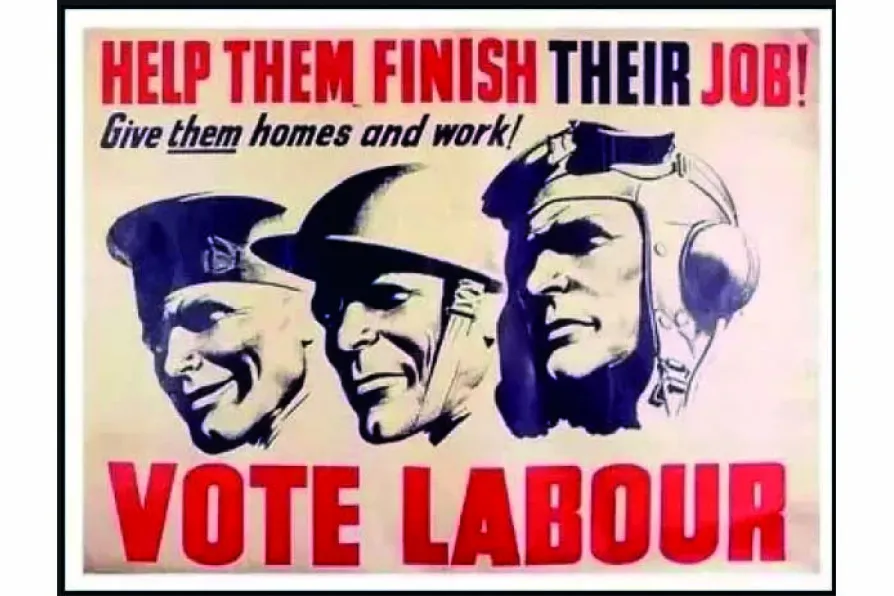
Worldwide there was victory over fascism, and in Britain Labour won the general election with a big majority on a radical manifesto.
Seventy-five years later some Labour activists see the ensuing Attlee government as an inspiring model, especially for the many young people who joined the party after Jeremy Corbyn became leader. So it is vital for the left to be clear about the legacy of 1945.

Similar stories
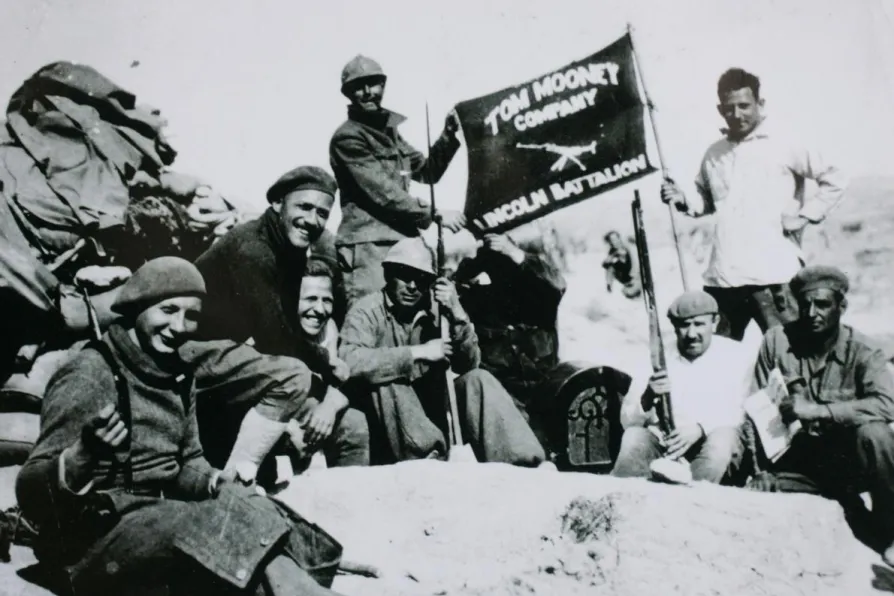
CJ ATKINS commemorates one of the most dramatic moments in working-class history

Corbyn and Sultana’s ‘Your Party’ represents the first attempt at mass socialist organisation since the CPGB’s formation in 1921, argues DYLAN MURPHY
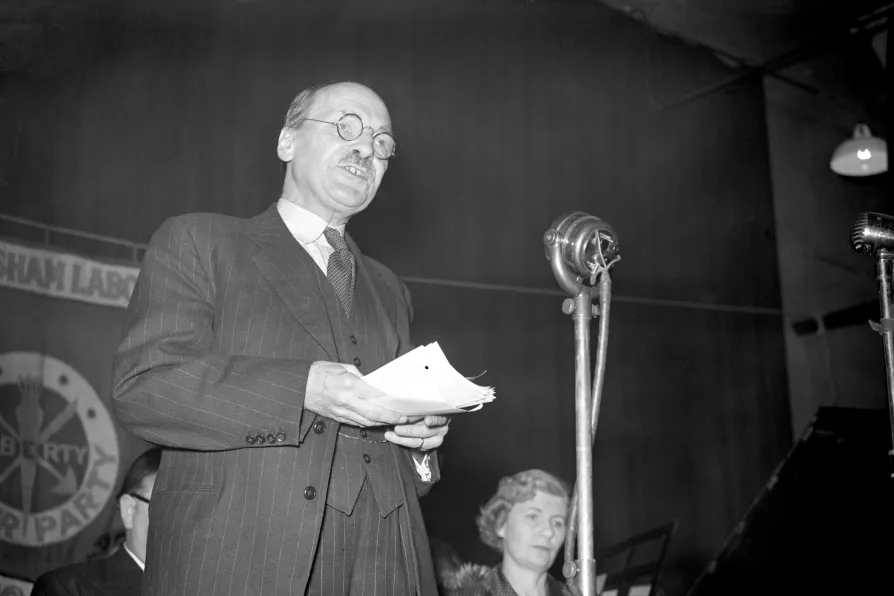
The summer of 1950 saw Labour abandon further nationalisation while escalating Korean War spending from £2.3m to £4.7m, as the government meekly accepted capitalism’s licence and became Washington’s yes-man, writes JOHN ELLISON
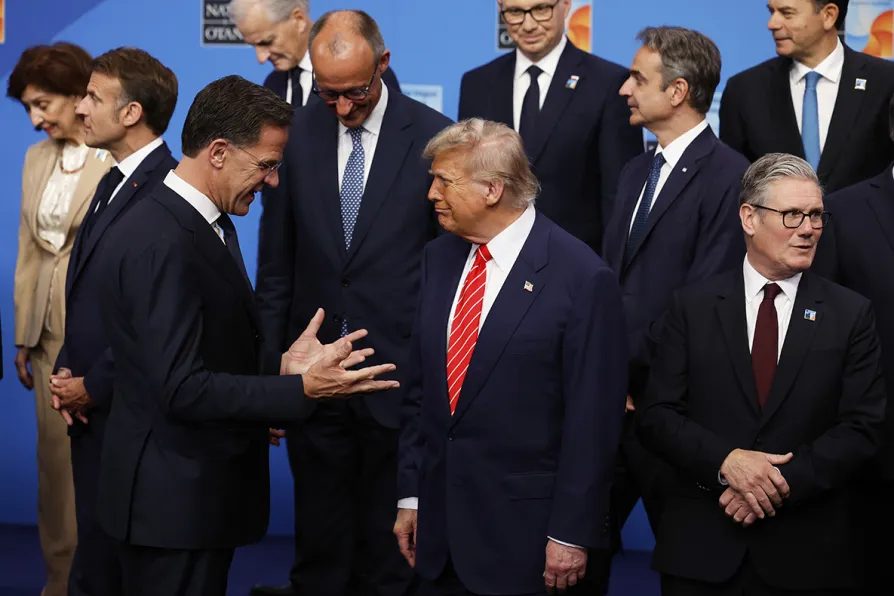
In an address to the Communist Party’s executive at the weekend international secretary KEVAN NELSON explained why the communists’ watchwords must be Jobs not Bombs and Welfare not Warfare