The basis for 20th-century social democracy in Britain is gone, argues ANDREW MURRAY – but there are measures a Burnham government could take that would break with neoliberalism


 Latest editorial
August’s riots echo the dark history of reactionary ‘Church and King’ mobs
Socialist historian KEITH FLETT traces the parallel evolution of violent loyalist rampages and the workers' movement's peaceful democratic crowds, highlighting the stark contrast between recent far-right thuggery and mass Gaza protests
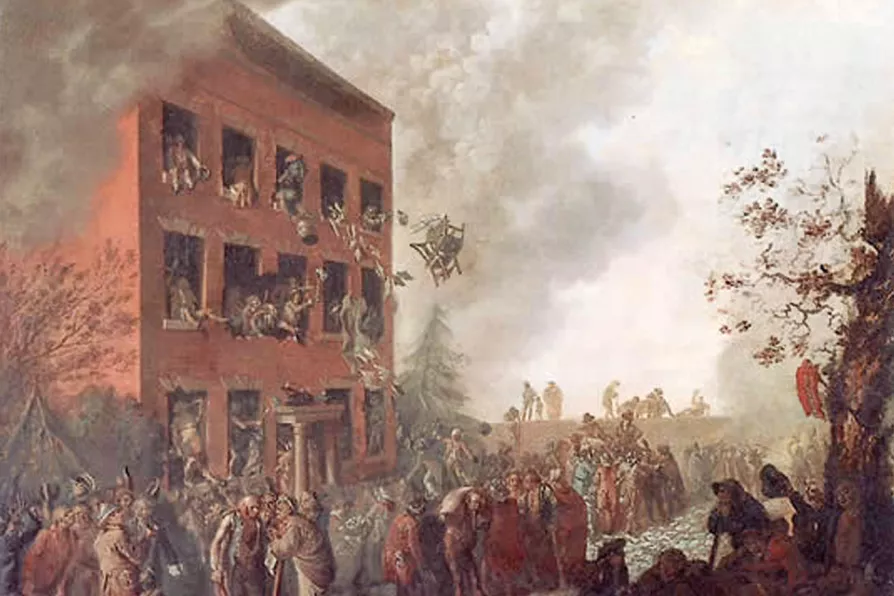 REACTIONARY RAMPAGE:
The house of radical dissenter
Joseph Priestley is destroyed
by a right-wing mob during
the 1791 Birmingham riots
REACTIONARY RAMPAGE:
The house of radical dissenter
Joseph Priestley is destroyed
by a right-wing mob during
the 1791 Birmingham riots
TONY BURKE pays tribute to a dedicated trade unionist and true internationalist who helped organise workers from Britain to Bangladesh
NASUWT leader MATT WRACK says schools are crying out for serious investment — and there are other immediate changes a new prime minister could and should enact
Keir Starmer’s resignation speech seemed to be coming from a different universe, or maybe it was just a fanfaronade of falsehoods, writes LINDA PENTZ GUNTER
Starmer will be judged on his record, but it would be wrong to view him in isolation from the crisis of the British political establishment, says the COMMUNIST PARTY in its official statement on the PM’s resignation
Over 1,000 hostile US sanctions remain in place on Venezuela, while Britain continues its colonial theft of gold, writes MATT WILLGRESS


THE fascist-inspired riots of early August raised again the question of how protest occurs and what form it takes.
Some Tory leadership contenders made entirely specious comparisons with the huge and peaceful marches on Gaza that have taken place since October 2023.
Two entirely different things were being conflated but historically that wasn’t always the case. Until the last years of the 18th century, a riot was the most common and most frequent form of protest.
Before trade unions and working-class political organisations had developed there existed, for example, collective bargaining by riot. An employer would be besieged by workers until they addressed wage demands.

Similar stories
Inspired by a hit TV show, KEITH FLETT takes a look at the murky history of undercover class war
It’s not just the Starmer regime: the workers of Britain have always faced legal affronts on their right to assemble and dissent, and the Labour Party especially has meddled with our freedoms from its earliest days, writes KEITH FLETT
At the very moment Britain faces poverty, housing and climate crises requiring radical solutions, the liberal press promotes ideologically narrow books while marginalising authors who offer the most accurate understanding of change, writes IAN SINCLAIR
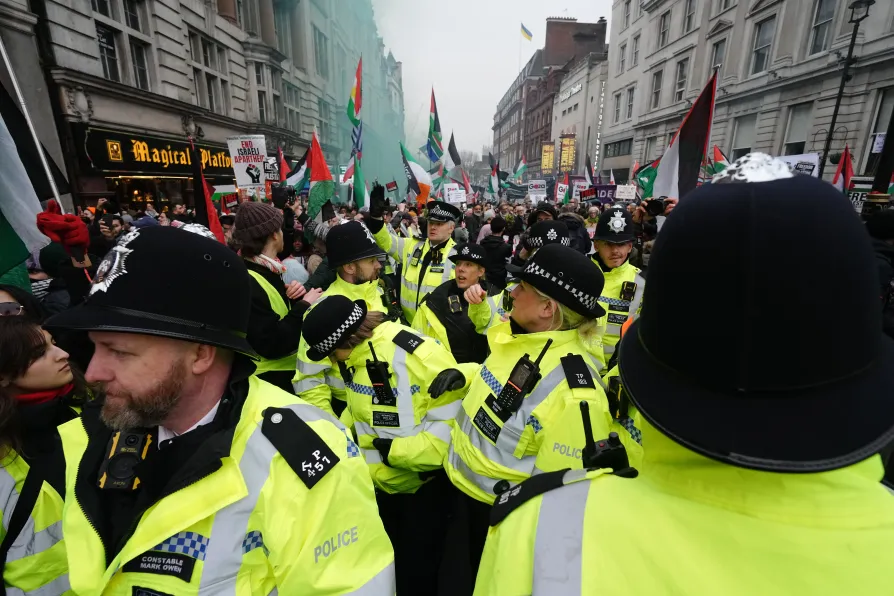
The government cracking down on something it can’t comprehend and doesn’t want to engage with is a repeating pattern of history, says KEITH FLETT