

 Latest editorial
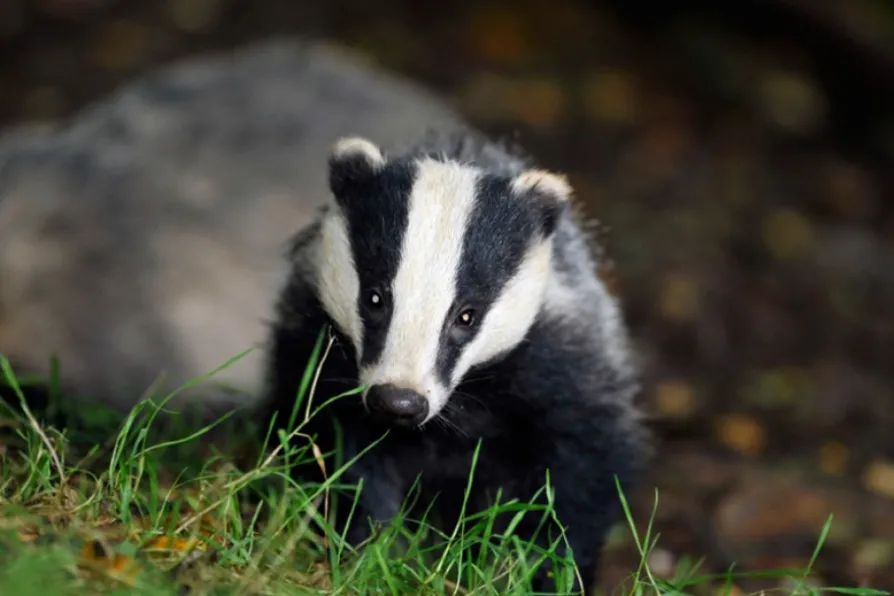




SCIENTISTS have said Britain’s controversial badger cull may have backfired and could potentially accelerate the spread of tuberculosis in cattle.
A new study by the Zoological Society of London (ZSL) and Imperial College London warns that the cull could cause surviving badgers to flee and roam 61 per cent more land each month.
Their study, published in the Journal of Applied Ecology, detected the shift in “ranging behaviour” almost as soon the cull began in 2011.
Professor Rosie Woodroffe, at ZSL’s Institute of Zoology, said: “The effects of increases in ranging behaviour could create a source of infection for several months — long after the individual badger has been culled.
“In contrast, studies have shown that vaccination prompts no changes in badgers’ ranging behaviour.”
A Badger Trust spokesman said “The government should halt the culling of badgers and move to a national badger vaccination strategy.”
A Defra spokesman said: “There is no single measure that will provide an easy answer to beating the disease and we are pursuing a range of interventions to eradicate it.”

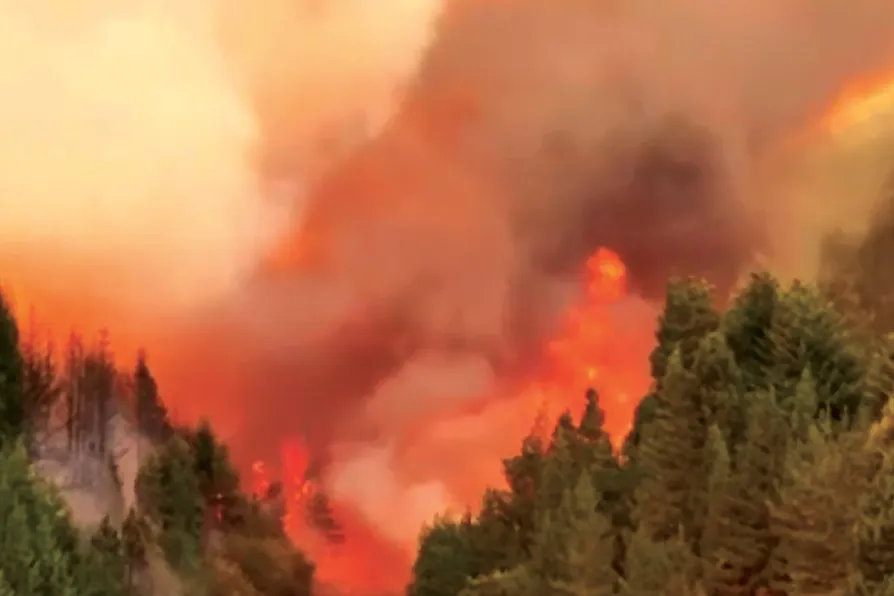
Established as a landmark victory for the climate movement, the CCC promised to hold governments to account. Today, it is understating the danger of climate chaos and impeding the radical action needed, says IAN SINCLAIR
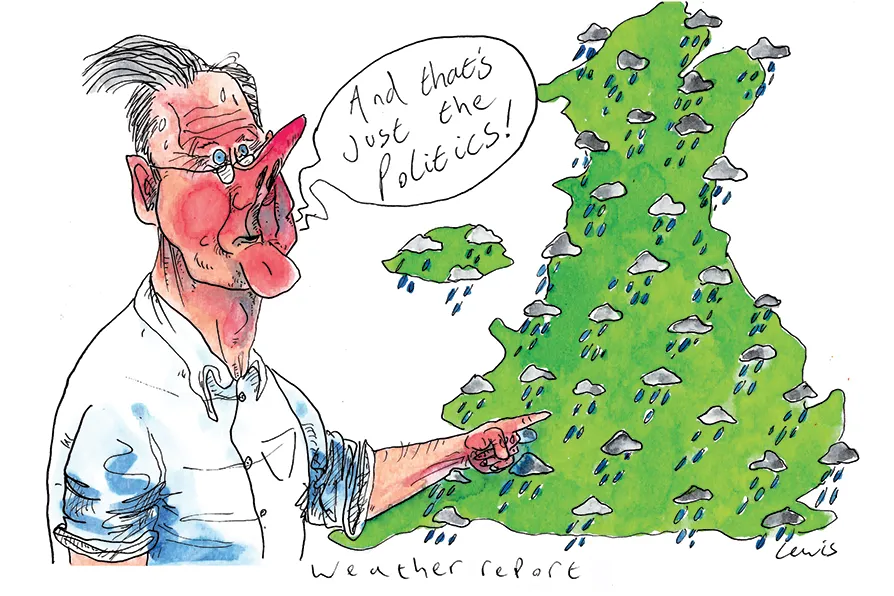
The collapse of the Atlantic Meridional Overturning Circulation poses an existential threat — but do today’s politicians have the capacity to deliver the more resilient and sustainable economics of tomorrow, wonders ALAN SIMPSON

One of the major criticisms of China’s breakneck development in recent decades has been the impact on nature — returning after 15 years away, BEN CHACKO assessed whether the government’s recent turn to environmentalism has yielded results

What’s behind the stubborn gender gap in Stem disciplines ask ROX MIDDLETON, LIAM SHAW and MIRIAM GAUNTLETT in their column Science and Society