Latest editorial
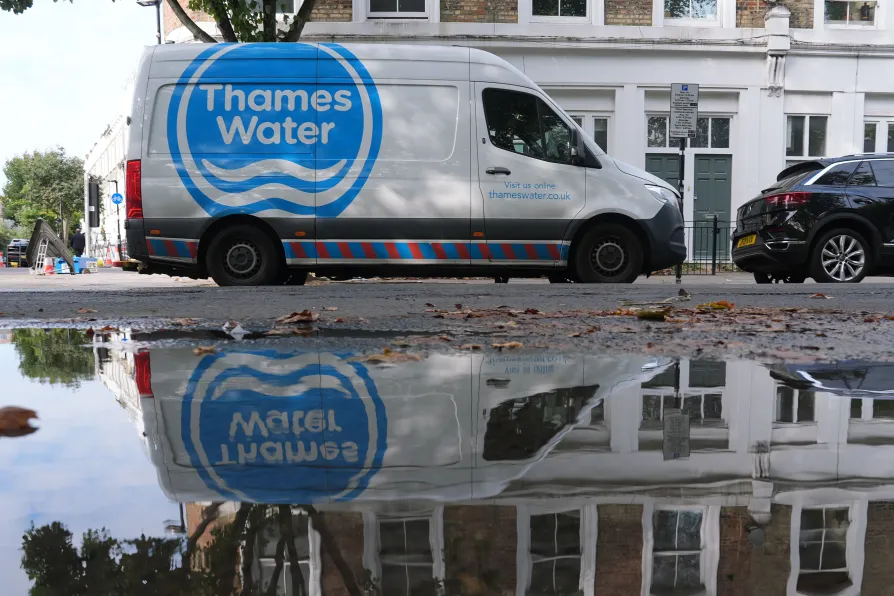 A Thames Water van, August 22, 2025
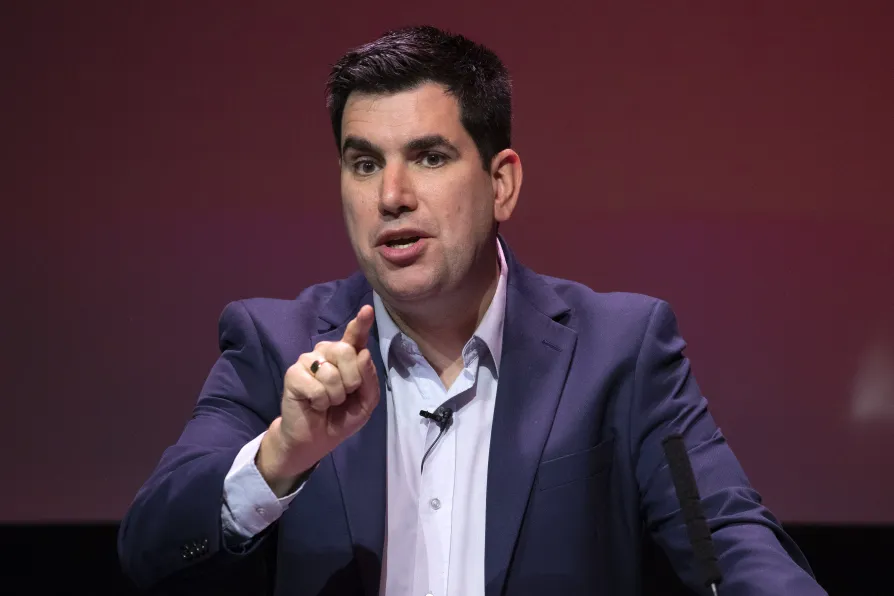


ANDY BURNHAM faced union calls to renationalise Thames Water after the heavily indebted firm’s boss claimed it only has enough cash to last until October today.
Chief executive Chris Weston said that the utility firm is asking creditors to extend funding into 2027 to allow more time to secure a rescue takeover and prevent temporary nationalisation.
Mr Burnham, who is expected to be appointed prime minister next Monday, has signalled he wants to bring in a 10-year plan to renationalise the water industry but that reform is needed to put the public interest first.
Mr Weston called for urgent clarity over his plans for the sector as the firm’s annual report warned of a “material uncertainty” over its ability to secure enough liquidity to carry it through to a successful recapitalisation plan.
Its results showed it returned to profit (£113 million post-tax) in the last financial year from a £1.51 billion loss the previous year.
But its net debt also swelled to £18.5bn from £16.8bn despite hiking bills for its more than 16 million customers by 40 per cent.
GMB national officer Gary Carter said: “Private ownership has asset-stripped Thames Water to the brink of destruction.
“Crippling debt — which keeps going up — has left bosses forced to crank up customer bills just to make ends meet.
“It’s clear the free market is no place for a natural monopoly like water and this disastrous experiment has failed.
“The government needs to protect jobs, pay and pensions and bring Thames Water into public ownership and guarantee its long-term viability.”
Unison London regional secretary Sara Gorton said: “The government needs to provide clear direction on the future of Thames Water as quickly as possible. The current uncertainty mustn’t be allowed to drag on any longer.
“Protecting this vital public resource must become a priority for the government.
“Thames Water staff have continued to deliver for customers throughout years of financial instability, while living with constant uncertainty about their own futures. They’ve been left in limbo for far too long and deserve clarity about what comes next.
“Ministers must now set out a credible plan for public ownership to protect this essential public service, safeguard jobs and pensions, and give workers and customers the certainty they urgently need.”