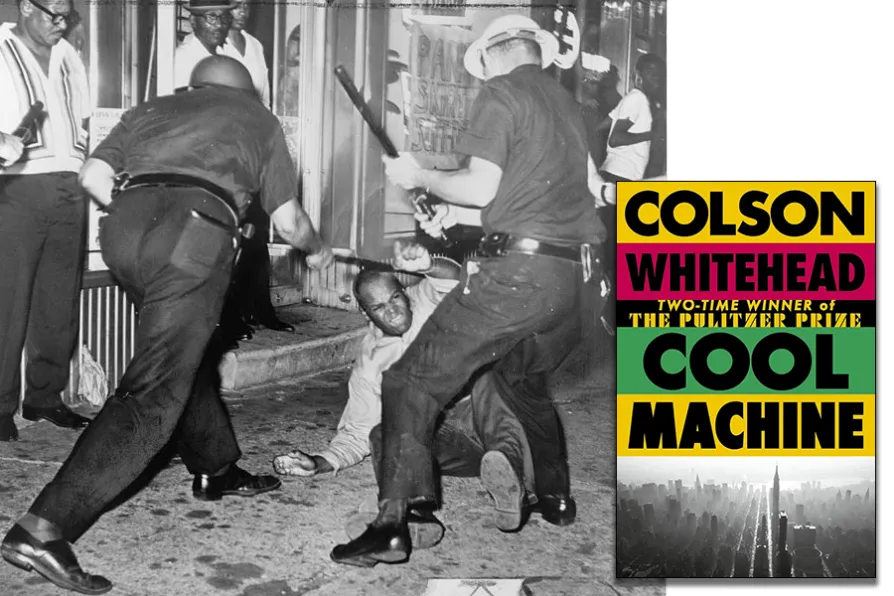
DOUGLAS FIELD relishes the hard-boiled language, satire and humour of the third and last of the Harlem trilogy


 Latest editorial
Biased history disappoints
JOHN GREEN awaits a definitive biography of Honecker, because it isn’t this one
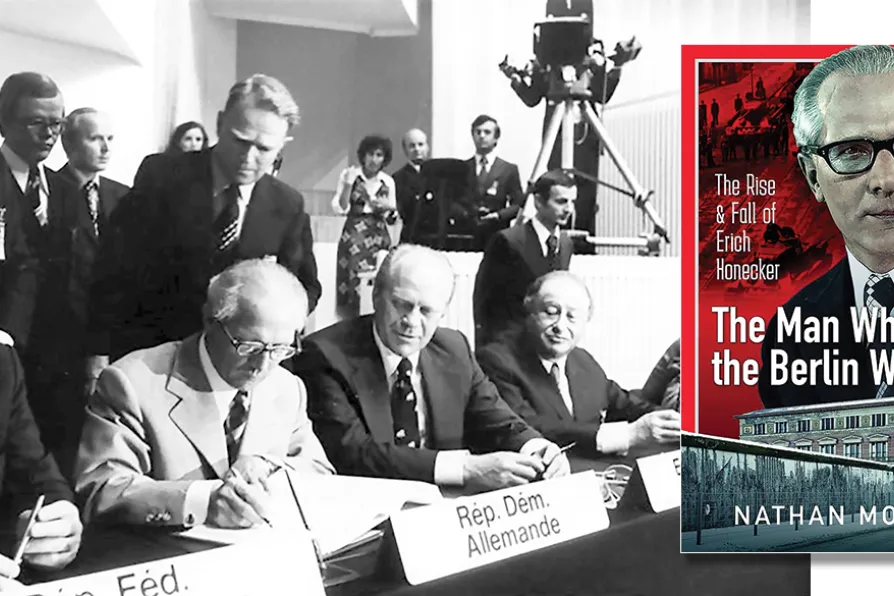 GDR MILESTONE: Finland, Helsinki, CSCE Conference, The signing of the Final Act of the European Security Conference (CSCE) in Helisinki, Finland on August 1 1975 (L to R)) Helmut Schmidt, chancellor of the Federal Republic of Germany, Erich Honecker, first secretary of the Socialist Unity Party of Germany, Gerald Ford president of the US and Bruno Kreisky, Chancellor of the Republic of Austria
[Horst Sturm/German Federal Archives/Public domain]
GDR MILESTONE: Finland, Helsinki, CSCE Conference, The signing of the Final Act of the European Security Conference (CSCE) in Helisinki, Finland on August 1 1975 (L to R)) Helmut Schmidt, chancellor of the Federal Republic of Germany, Erich Honecker, first secretary of the Socialist Unity Party of Germany, Gerald Ford president of the US and Bruno Kreisky, Chancellor of the Republic of Austria
[Horst Sturm/German Federal Archives/Public domain]
STEPHANIE BROWN draws attention to the hidden labour of the female embroiderers, and how a 19th century replica made no such error
MIK SABIERS revels in a band that ploughs an idiosyncratic furrow of expletive laden, guitar-driven alt rock
ANDY HEDGECOCK, MARIA DUARTE and ANGUS REID review Synthetic Sincerity, Our Hero, Balthazar, Heartstopper Forever, and A Year In London
The bard invites readers to a gig, raps for Clacton, and lays out the Burnham-Hurzeler conundrum
RON JACOBS recommends an important book that enhances the oppositional theories put forth by Fanon and, in doing so, remakes psychology itself


The Rise and Fall of Erich Honecker — The Man Who Built the Berlin Wall
by Nathan Morley, Pen & Sword, £25
I STUMBLED already over the title of this in-depth biography: Honecker only took over as general secretary of the party in 1971, 10 years after the wall was built under Walter Ulbricht’s leadership, even though he did play a central role in organising its construction.
The mock Der Spiegel cover sets the tone for this book. In his rather pedestrian prose, Morley gives us a largely fact-based account of Honecker’s life from his birth in Saarland in 1912 to his death in Chile in 1994.

Similar stories
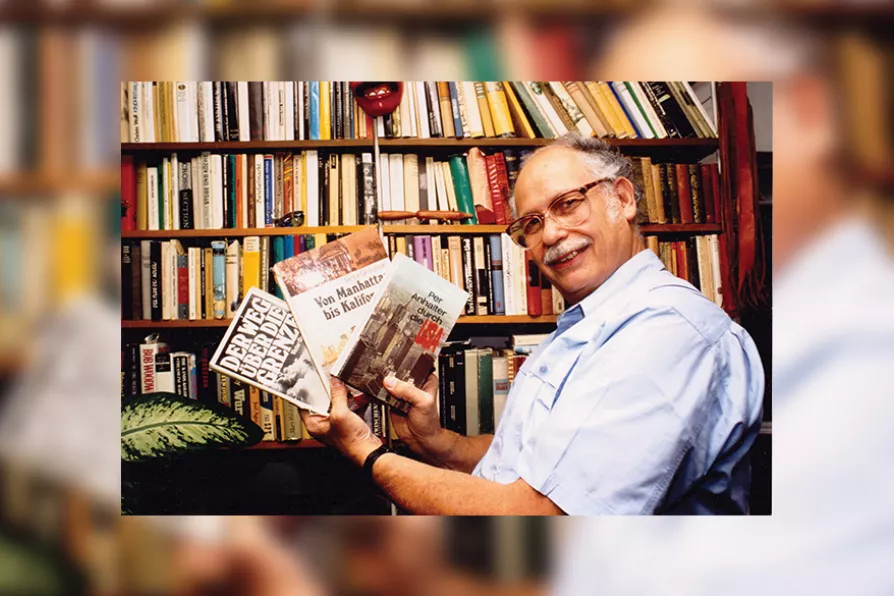
Hundreds in Berlin gathered on January 15 to honour the US-born socialist who made East Germany his home. Florentine Morales Sandoval reports
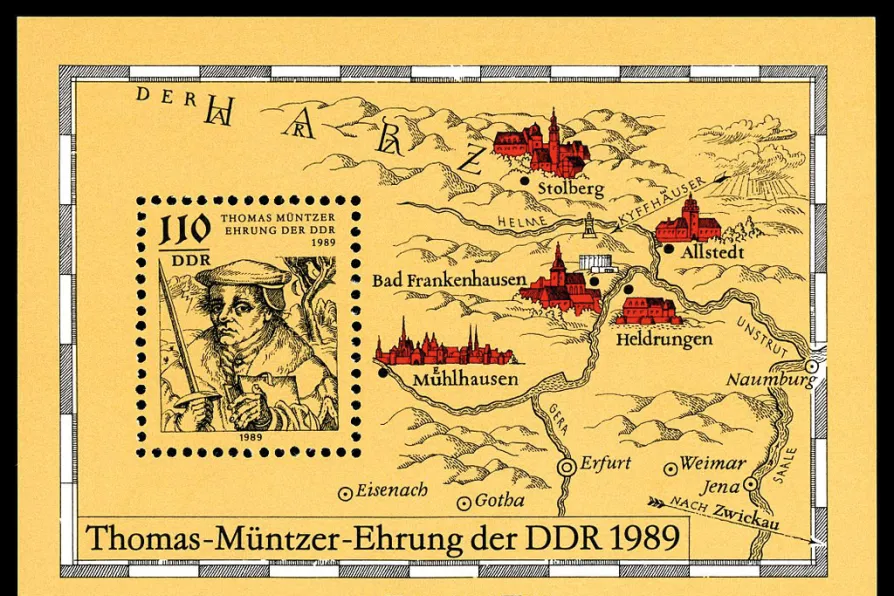
NICK MATTHEWS recalls how the ideals of socialism and the holding of goods in common have an older provenance than you might think
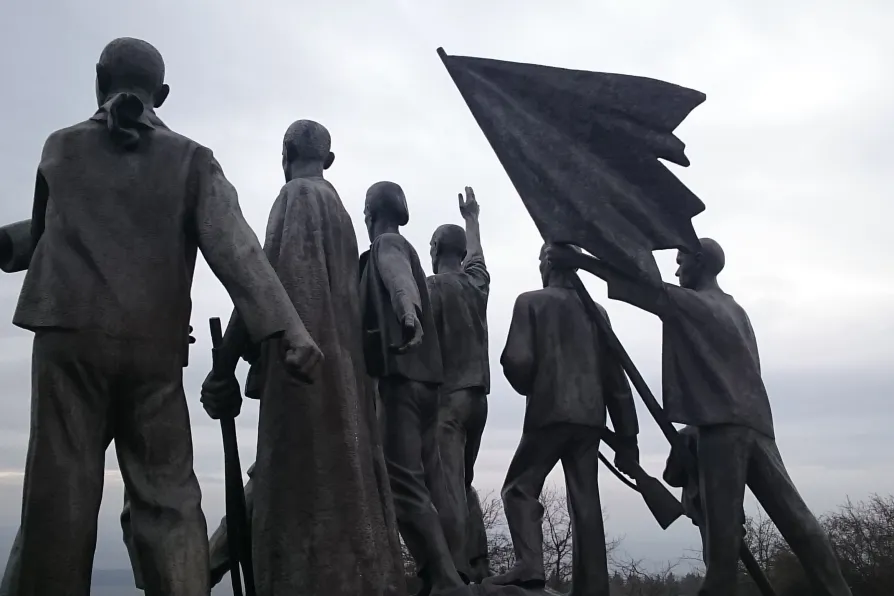
The decision highlights the tension between freedom of expression and the state’s role in shaping historical memory at former concentration camps, reports LEON WYSTRYCHOWSKI