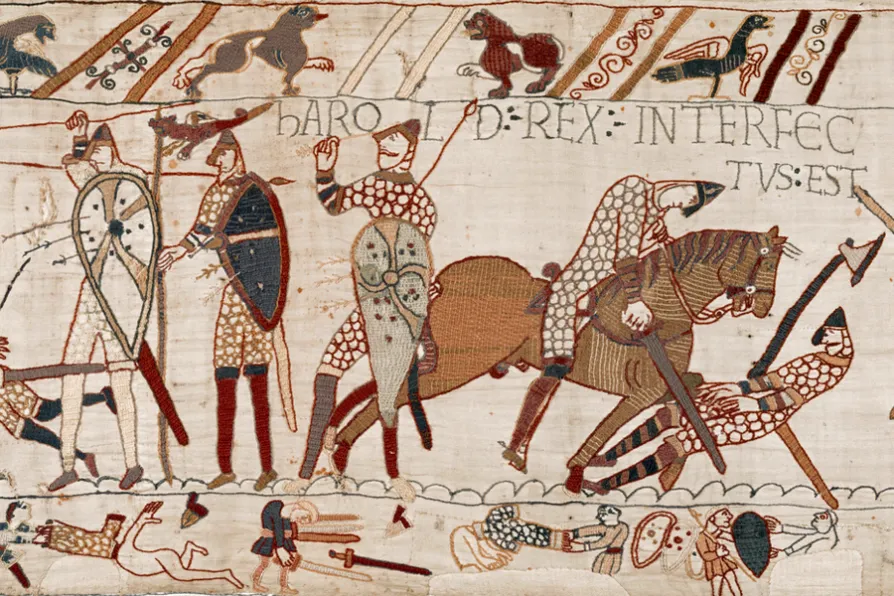
STEPHANIE BROWN draws attention to the hidden labour of the female embroiderers, and how a 19th century replica made no such error


 Latest editorial
A desire to bring about change through persuasion and education
Erasmus’s social and educational messages are as valid today as they were 500 years ago, writes GORDON PARSONS
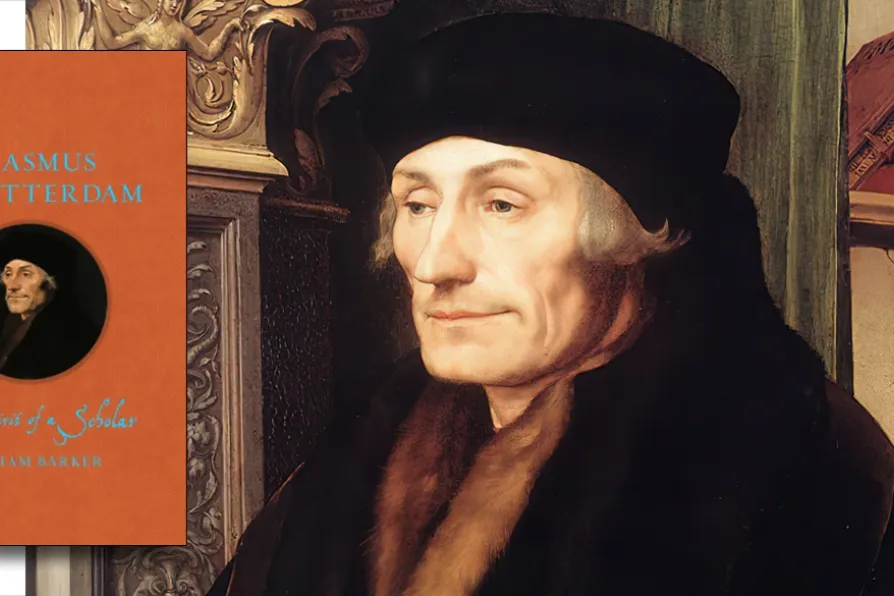 Portrait of Desiderius Erasmus of Rotterdam at 59 painted by Hans Holbein the Younger in 1523
MIK SABIERS revels in a band that ploughs an idiosyncratic furrow of expletive laden, guitar-driven alt rock
ANDY HEDGECOCK, MARIA DUARTE and ANGUS REID review Synthetic Sincerity, Our Hero, Balthazar, Heartstopper Forever, and A Year In London
The bard invites readers to a gig, raps for Clacton, and lays out the Burnham-Hurzeler conundrum
RON JACOBS recommends an important book that enhances the oppositional theories put forth by Fanon and, in doing so, remakes psychology itself
JAN WOOLF relishes an extensive history of our long relationship to trees in Britain that underlines the current emergency
DIANE WATT argues that while evidence of sex is not there, a 16th‑century lesbian poet could be Scotland’s answer to Gentleman Jack


Erasmus of Rotterdam
By William Barker
Reaktion Books £16.95
GENERAL readers attracted to William Barker’s beautifully presented, relatively short, succinctly styled new biography of Erasmus, recognised as the quintessential, European intellectual of the late medieval period, will discover a figure unquestionably more celebrated than known.
His historical reputation has been popularly upstaged by that of Martin Luther, a much more theatrical figure. Although sharing many of the latter’s criticisms of the corrupt doctrines and practical behaviour of the ruling Catholic hierarchy, he found Luther’s belief in predestination fundamentally in conflict with his own faith in human free will.
Luther’s aggressive temperament and violently combative style through which he pursued his religious revolution was inimical to Erasmus’s desire to bring about change through persuasion and essentially education.

Similar stories
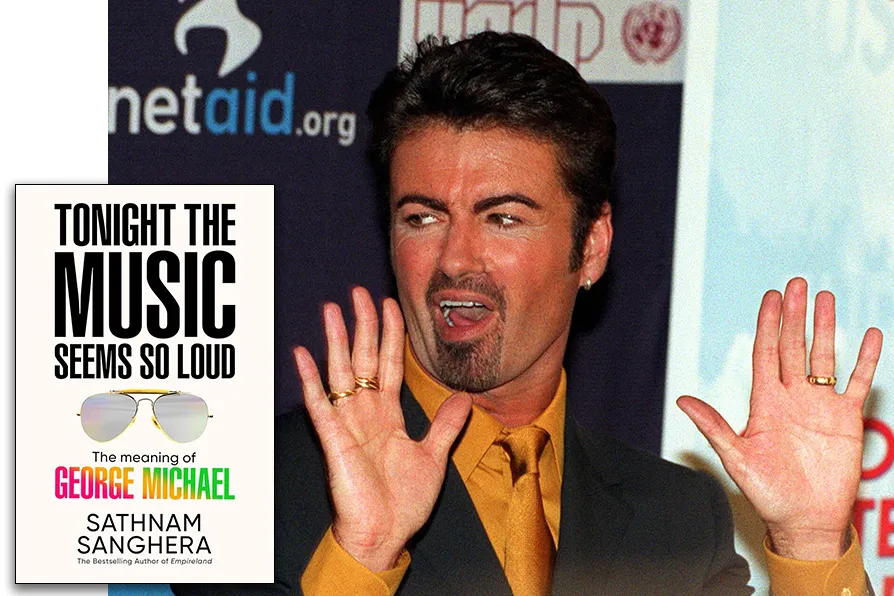
GLENN FOSBRAEY recommends a biography worth reading for both existing George Michael fans and those yet to be converted
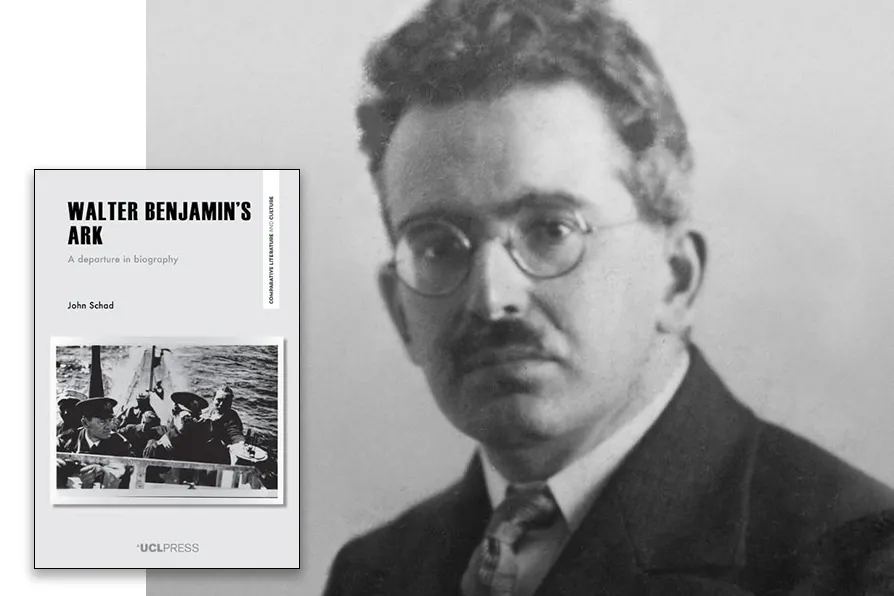
GORDON PARSONS is intrigued by a biography of the Marxist intellectual and author, made from the point of view of his son

JOHN GREEN welcomes a remarkable study of Mozambique’s most renowned contemporary artist

MATTHEW HAWKINS applauds a psychotherapist’s dissection of William Blake