MARY CONWAY revels in a powerful reminder that human lives are not defined by physical perfection


 Latest editorial
Not the whole story
Some of the much-loved Dr Seuss children's books have been withdrawn after their publishers deemed them to be racist. That may be so, says CHRIS ORLET, but the wider picture provides even more cause for concern
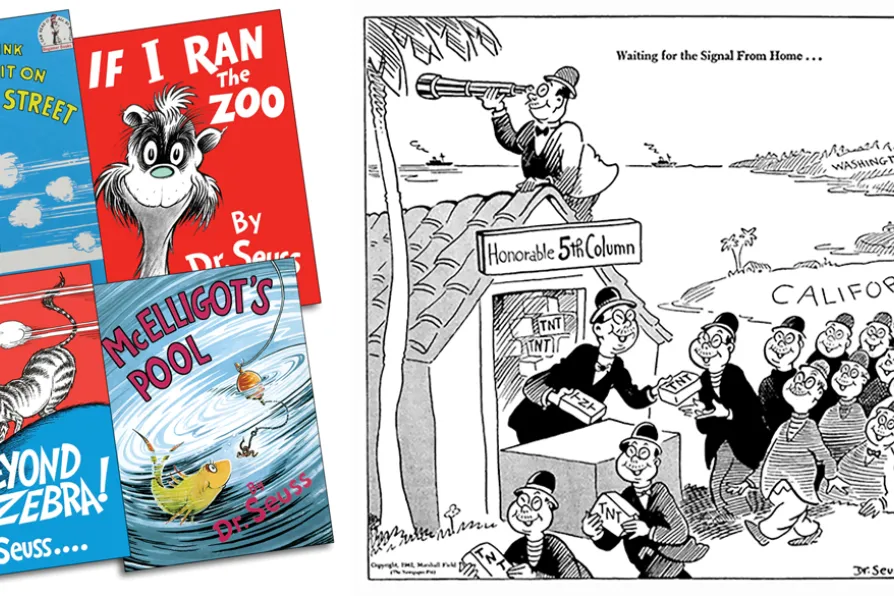 PERNICIOUS: Some of the titles withdrawn from bookshops and Dr Seuss cartoon of a Japanese man handing out TNT explosives to fellow Japanese US citizens

PAUL DONOVAN recommends the fine performances in this account of the pre-war meeting between the US president and the British king
TECLYN AROD relishes an intimate celebration of jazz improvisation that mixes local and national musicians
The missing sister, the vengeful WAG, cruise ship claustrophobia, and reanimated Avengers
Three great releases of lost concerts by Duke Ellington Orchestra, John Taylor & Stan Sulzman, and Joe Henderson
To rescue Kahlo from the clutches of the corporate art market, we need to acknowledge the overt and covert political dimensions of the work, demands GAVIN O’TOOLE


A FRIEND delights in sending me news stories that demonstrate what he says are the excesses of “liberalism.” One recent article that arrived in my inbox concerned Dr Seuss Enterprises’s decision to halt publication of six children’s books it now believes contain racist imagery.
“I didn’t realise Dr Seuss made us all racists,” he quipped. As usual, a flippant retort to a flippant remark moves the conversation nowhere. One has to dig a bit deeper.
The newly delisted books — And to Think That I Saw It on Mulberry Street, If I Ran the Zoo, McElligot’s Pool, On Beyond Zebra!, The Cat’s Quizzer — were all created between 1935 and 1976, a time when racist imagery in cartoons was as common as giant noses.

Similar stories

PATRICK CHURA reflects on the mass murder of civilians in wartime and his own visit, 10 years ago, to My Lai where US soldiers slaughtered over 500 men, women, children and infants
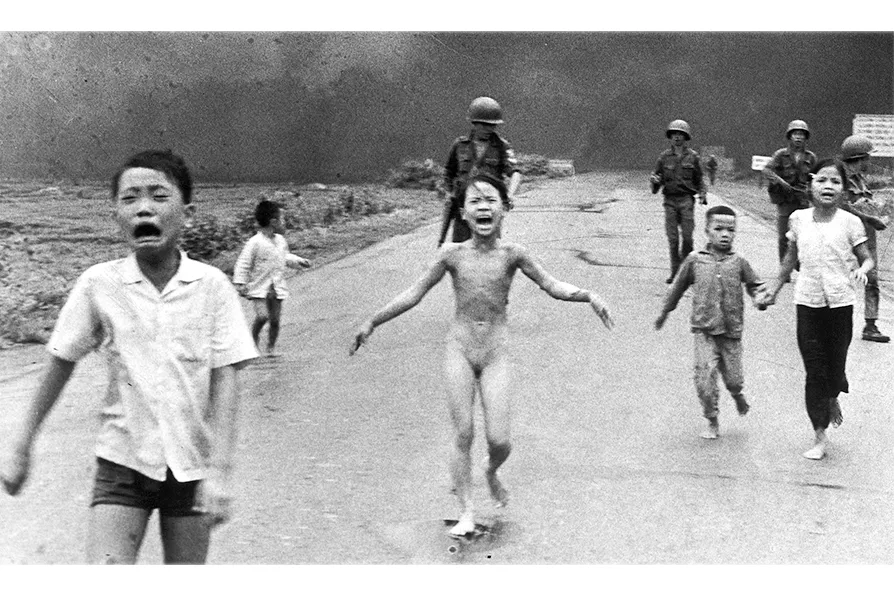
If true, the photo’s history is a damning indictment of the systematic exploitation of non-Western journalists by Western media organisations – a pattern that persists today, posit KATE CANTRELL and ALISON BEDFORD

Star cartoonist MALC MCGOOKIN finds lessons for today in the punch, and the economy of line, of an extraordinary generation of illustrators

From sexual innuendo about Blackpool Rock to Bob Dylan’s ‘God-almighty world,’ the corporation’s classist moral custodianship of pop music has created a roll call of censored artists anyone would feel honoured to join, writes NICK MATTHEWS