To rescue Kahlo from the clutches of the corporate art market, we need to acknowledge the overt and covert political dimensions of the work, demands GAVIN O’TOOLE


 Latest editorial
O’Flynn flies high
PETER MASON is astounded by a virtuoso act of storytelling
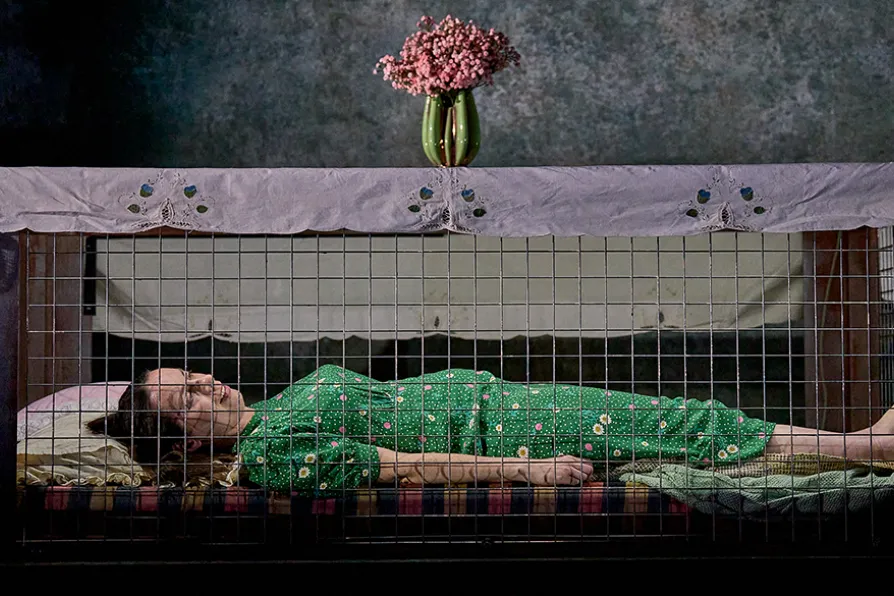 MESMERISING: Kate O'Flynn in Alistair McDowell's All Of It
[Manuel Harlan]
MESMERISING: Kate O'Flynn in Alistair McDowell's All Of It
[Manuel Harlan]
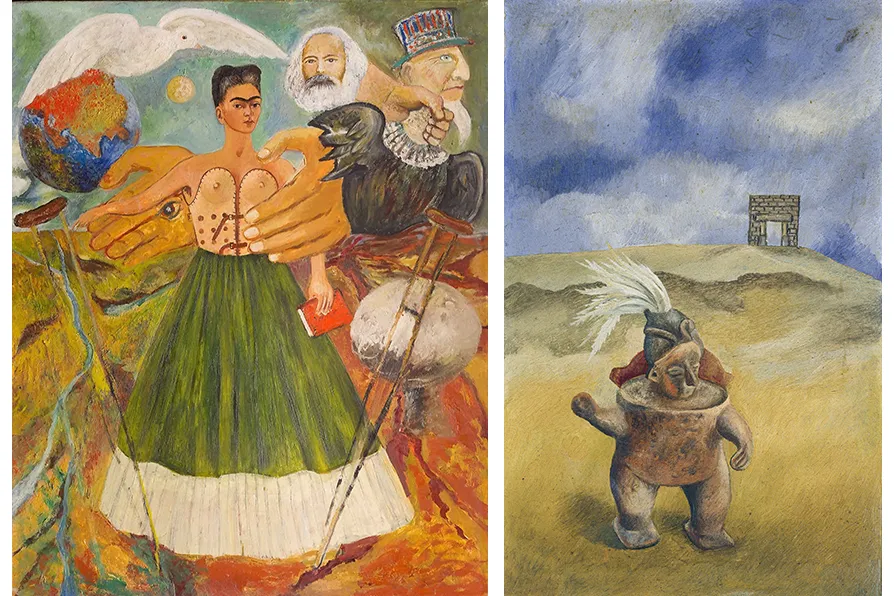
If you can see past the relentless commodification you will be rewarded by enormously powerful work, suggests JENNY MITCHELL
CHRIS SEARLE revels in the one-off collaboration between an American polymath and a British Muslim, and detects the presence of their revolutionary forebear
GORDON PARSONS revels in an ebullient production of Shakespeare’s magical comedy
BRENT CUTLER welcomes a thoughtful analysis of the Erdogan regime, viewed through the evolving history of a neighbourhood in Istanbul
GORDON PARSONS regrets the price, but is dazzled by an outstandingly ambitious study of the way art restoration in particular, and culture in general was weaponised by the Nazis


All Of It
Royal Court, London
ALL acting assignments, to a greater or lesser extent, involve admirable feats of memory and immersion. But Kate O’Flynn’s performances in the three parts of All Of It take those attributes to another level.
In a breathtaking, mesmerising demonstration of recall and concentration, O’Flynn delivers the fiendishly complicated stream of consciousness within Alistair McDowell’s poems without the slightest sign of hesitation or aberration.
One might say that is the job of an actor, but in this case there’s so much to remember, so many diversionary twists and turns in the verse, that it’s astounding she can even get to the end, let alone emerge triumphant.
McDowell’s three superb monologue poems were each written specifically for O’Flynn, and it’s hard to conceive that he could have chosen a better medium for his words.
In Northleigh, 1940, a lonely single woman comes to a previously illusive accommodation with her widowed father during a second world war air raid, while in the Kafkaesque In Stereo, another lone female is somehow subsumed into a damp patch on the wall of her bedroom, undergoing a transformation that allows her to dispassionately witness the passage of eons of time.
In the third, which gives the whole show its title, there’s another machine-gun rattle through the ages, this time from the first babbling thoughts of an infant through to the last jumbled narrative of the same individual on her death bed.
In each monologue O’Flynn harnesses her prodigious storytelling talent to portray three different women in three different circumstances, each listening to their inner voices, each never quite sure whether they’re in control of their lives.
The first two, which share a deliberately drab, interior domestic set by Merle Hensel, are startlingly inventive and spookily omniscient, with an other-worldly atmosphere rooted in dissociation and lurking madness.
All Of It, delivered from a bar stool against a plain black background, is more humorously down-to-earth and recognisably human, so much so that it can be imagined not just as a stage performance but as a riveting piece of TV, radio or film.
If it makes that transition, however, it must be O’Flynn who performs it. She has nailed all three pieces with such distinction that she deserves to make them her own.
Runs until June 17, Box Office: 020 7565 5000, royalcourttheatre.com

Similar stories
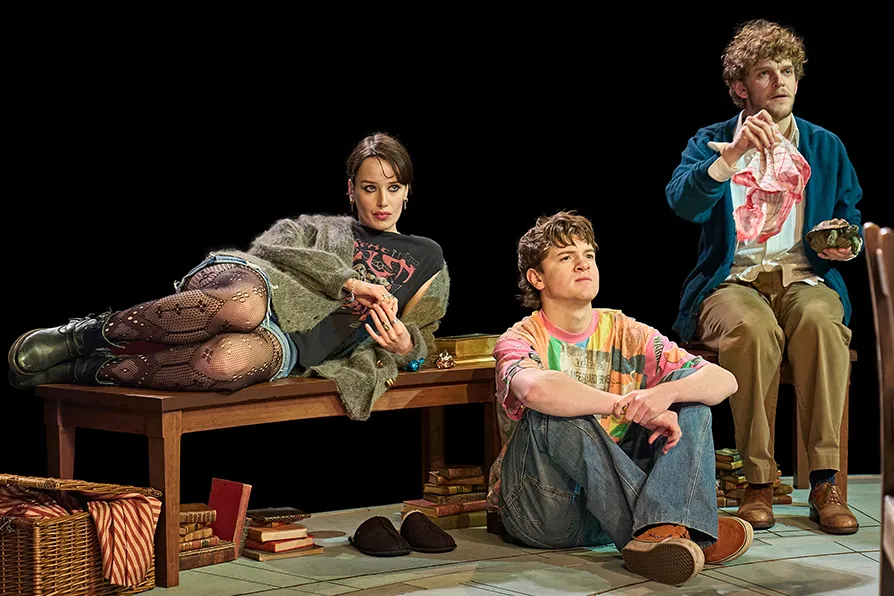
MARY CONWAY becomes impatient with the intellectual self-indulgence of Tom Stoppard in a production that is, nevertheless, total class
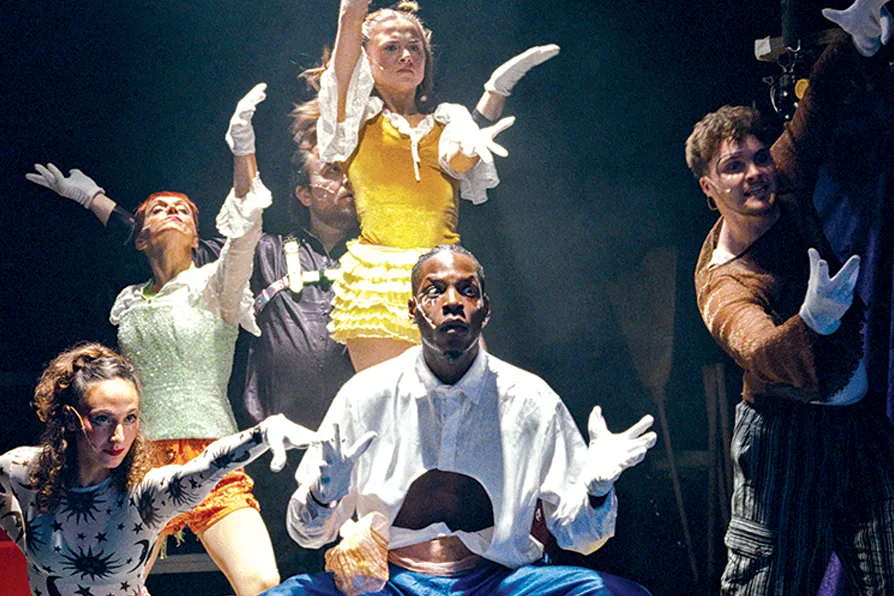
JAN WOLF enjoys a British revival of the 1972 come of age farce/panto Pippin
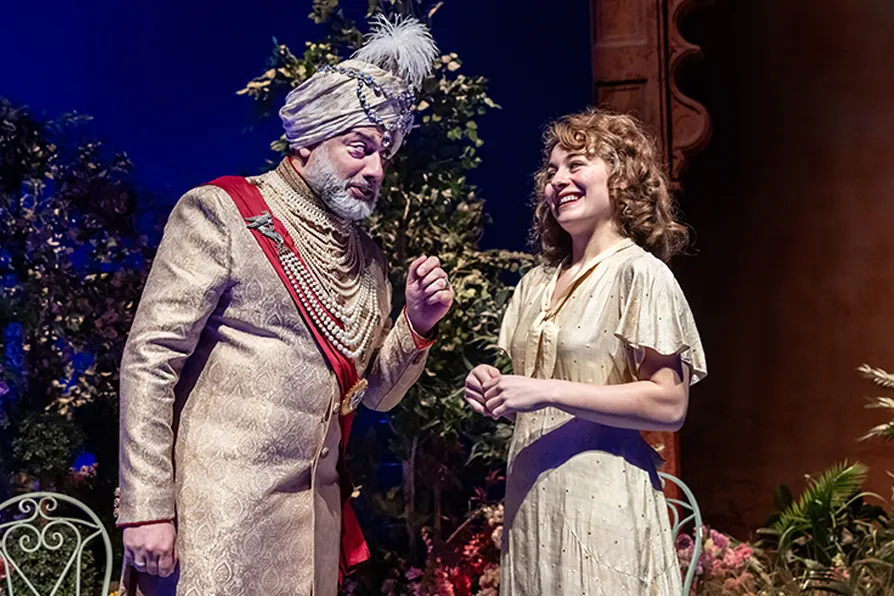
Although this production was in rehearsal before the playwright’s death, it allows us to pay homage to his life, suggests MARY CONWAY
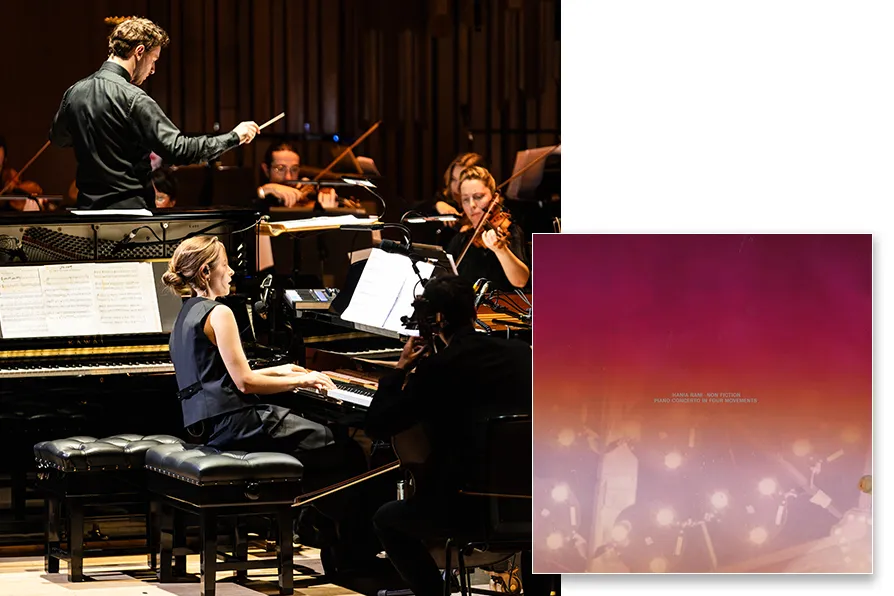
WILL STONE witnesses an experimental piano concerto inspired by the work of a young Jewish victim of the Nazis