MARIA DUARTE, JAMES WALSH and ANDY HEDGECOCK review The Invite, My Father’s Island, Nirvanna: the Band, the Show, the Movie, and Oh My Goodness!


 Latest editorial
Six recent discoveries that have changed how we think about human origins
In her new book Hidden Depths: The Origins of Human Connection, PENNY SPIKINS explores how a movement of human ancestors into a new ecological niche drove new types of collaboration as new connections based on compassion, generosity, trust and inclusion also changed our relationship to material things
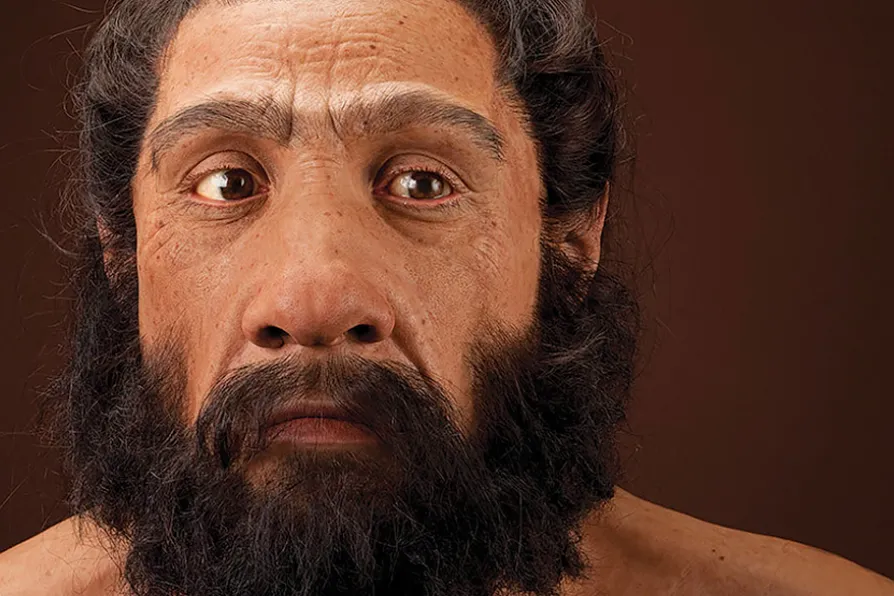 Homo neanderthalensis adult male by John Gurche for the Human Origins Program, Smithsonian National Museum of Natural History
[Chip Clark/CC]
Homo neanderthalensis adult male by John Gurche for the Human Origins Program, Smithsonian National Museum of Natural History
[Chip Clark/CC]
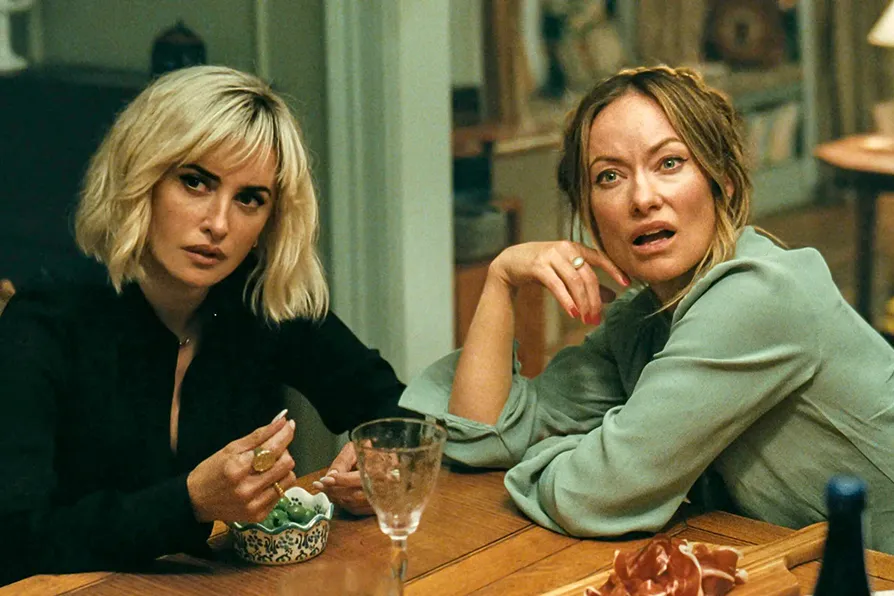
PAUL DONOVAN is chilled by the contemporary resonance of Harper Lee’s coming of age tale amidst racism and white supremacy in this excellent production
GEOFF BOTTOMS recommends the unashamedly light-hearted escapism on offer in this stage version of the 1963 film
Full of mysterious religious references and radical sound design, the Scottish duo’s new offering is candidate for album of the year, suggests SIMON DUFF
MARY CONWAY revels in a powerful reminder that human lives are not defined by physical perfection
PAUL DONOVAN recommends the fine performances in this account of the pre-war meeting between the US president and the British king
TECLYN AROD relishes an intimate celebration of jazz improvisation that mixes local and national musicians


SCIENTIFIC study of human evolution historically reassured us of a comforting order to things. It has painted humans as cleverer, more intellectual and caring than our ancestral predecessors.
From archaeological reconstructions of Neanderthals as stooped, hairy and brutish, to “cavemen” movies, our ancient ancestors got a bad press.

Similar stories
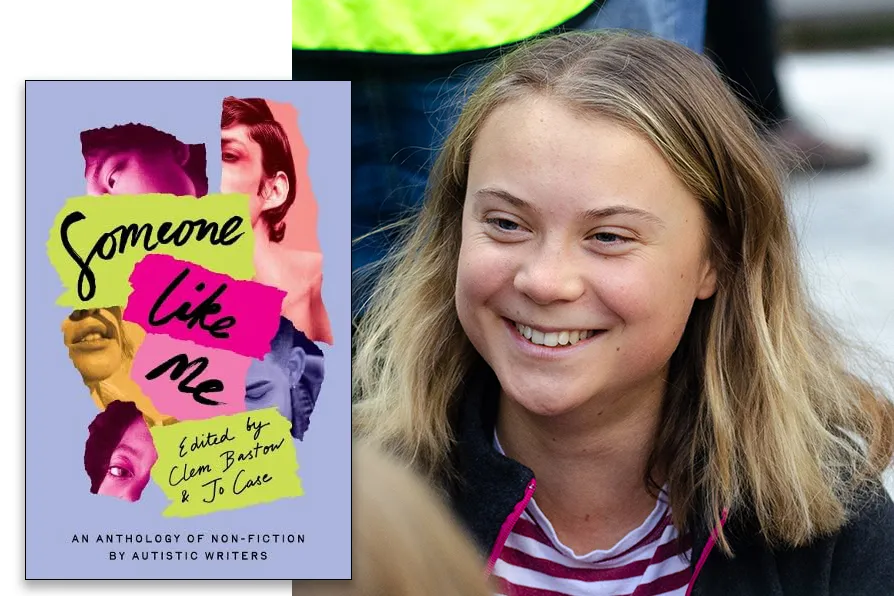
JOSEPHINE BARBARO welcomes a diverse anthology of experiences by autistic women that amounts to a resounding chorus, demanding to be heard
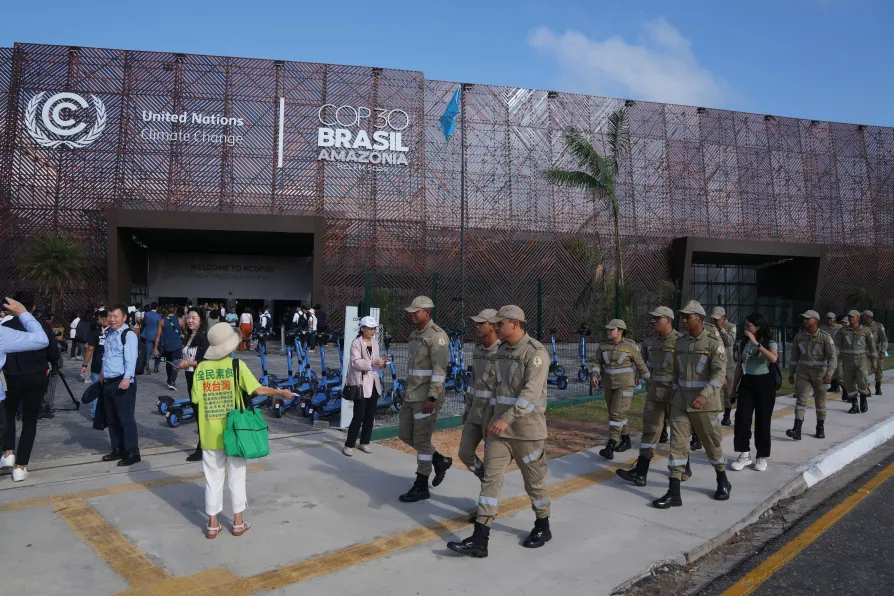
Reaching co-operation is supposed to be the beginning, not the end, of global climate governance, argues LISA VANHALA
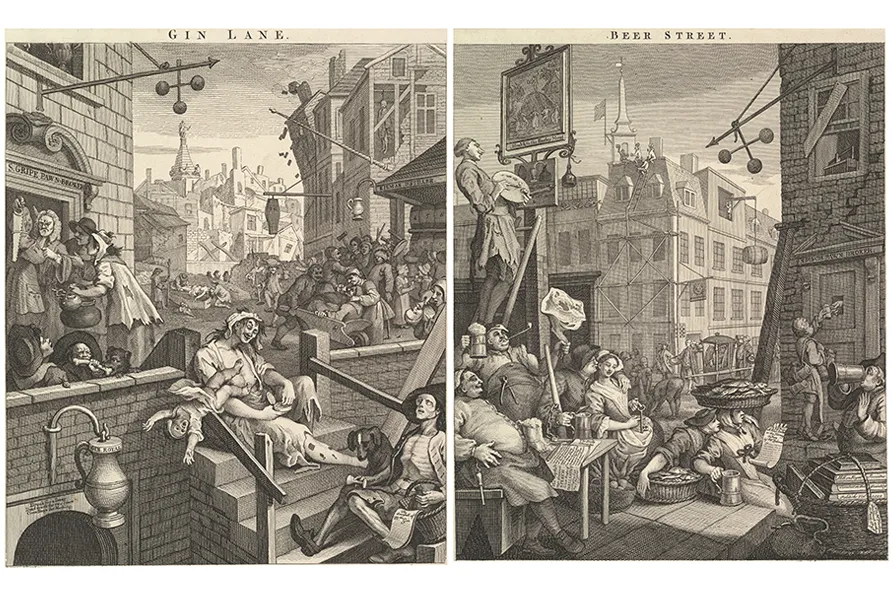
Gin Lane by William Hogarth is a critique of 18th-century London’s growing funeral trade, posits DAN O’BRIEN
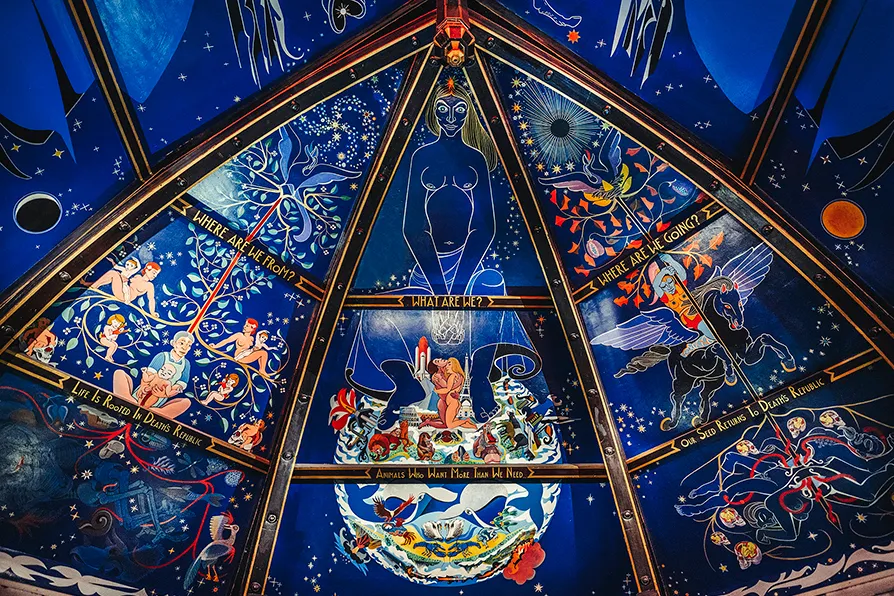
BLANE SAVAGE recommends the display of nine previously unseen works by the Glaswegian artist, novelist and playwright