MARY CONWAY revels in a powerful reminder that human lives are not defined by physical perfection


 Latest editorial
‘Taking arms against a sea of troubles’
ANGUS REID looks at two productions with equally noble aims and at how one succeeds admirably where the other fails utterly
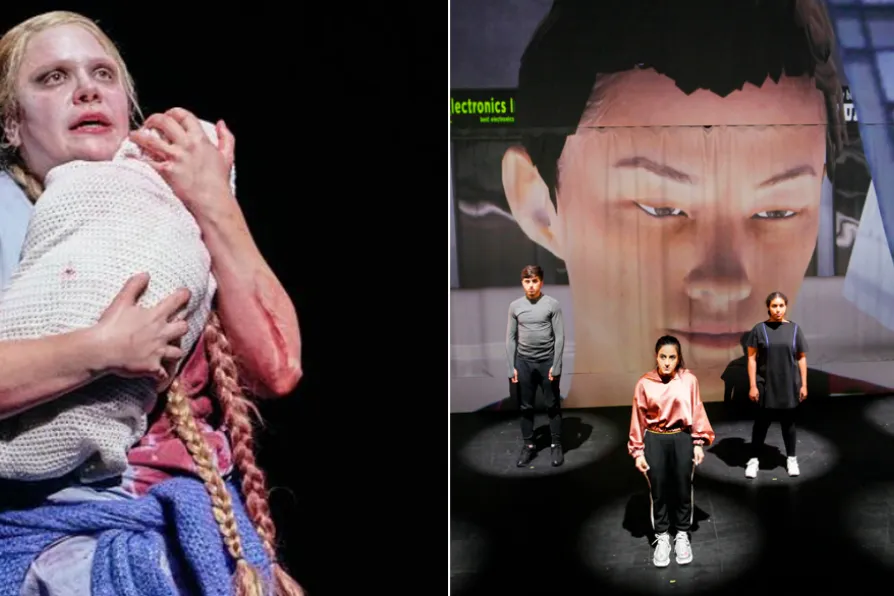 POLAR OPPOSITES: The Caucasian Chalk Circle and Futureland
[(L to R) www.berliner-ensemble.de / Ute Langkafel/www.gorki.dewww.gorki.de]
POLAR OPPOSITES: The Caucasian Chalk Circle and Futureland
[(L to R) www.berliner-ensemble.de / Ute Langkafel/www.gorki.dewww.gorki.de]
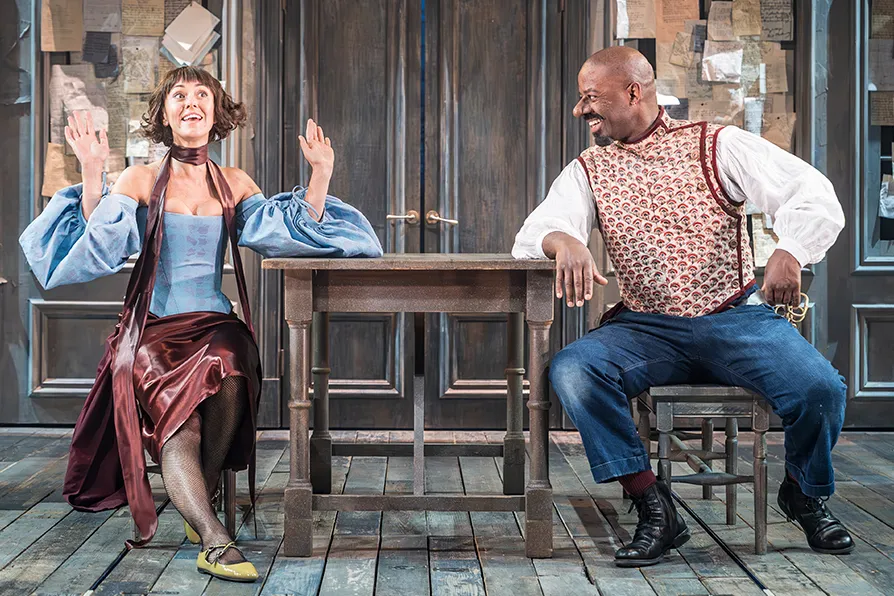
PAUL DONOVAN recommends the fine performances in this account of the pre-war meeting between the US president and the British king
TECLYN AROD relishes an intimate celebration of jazz improvisation that mixes local and national musicians
The missing sister, the vengeful WAG, cruise ship claustrophobia, and reanimated Avengers
Three great releases of lost concerts by Duke Ellington Orchestra, John Taylor & Stan Sulzman, and Joe Henderson
To rescue Kahlo from the clutches of the corporate art market, we need to acknowledge the overt and covert political dimensions of the work, demands GAVIN O’TOOLE


AMONG the vestiges of old East Germany (GDR) that have survived to guard the flame of politically engaged art in Berlin, two theatres stand out: the Maxim Gorki Theatre that was the main conduit of Soviet theatre pre-1989, and Brecht’s doughty campaigner, the Berliner Ensemble.
Two current productions demonstrate both the strengths and the difficulties faced by theatre artists with a revolutionary agenda in contemporary Germany.
Futureland in the Gorki studio theatre assembles a cast of real asylum-seekers who may, or may not, qualify for the precious status of “child.” To be recognised as a child is significant because under German law no unaccompanied minor may be deported, and once recognised, that status entitles the family of the child to join them. But can they prove their date of birth without papers? Do they even know how old they are?
The cast of sympathetic and engaging young adults comes from Afghanistan, Syria, Somalia, Guinea and Bangladesh, and although the production presents itself as a semi-fictional sci-fi dystopia and little attempt is made to prove the authenticity of their stories, you accept that these kids are drawing on their own experiences and that Futureland is basically community outreach.

Similar stories
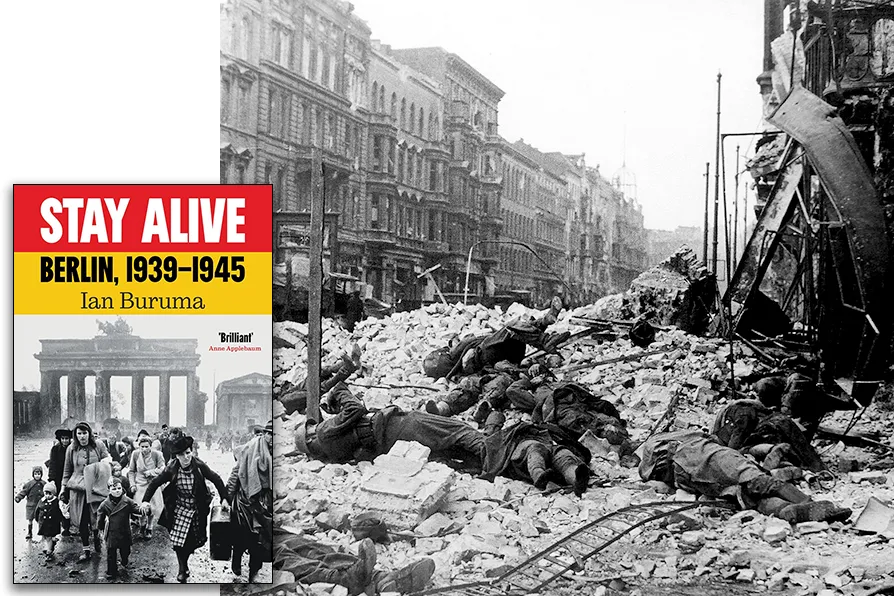
MARJ MAYO sees the contemporary relevance of this account of the consequences of a society’s accommodation with evil
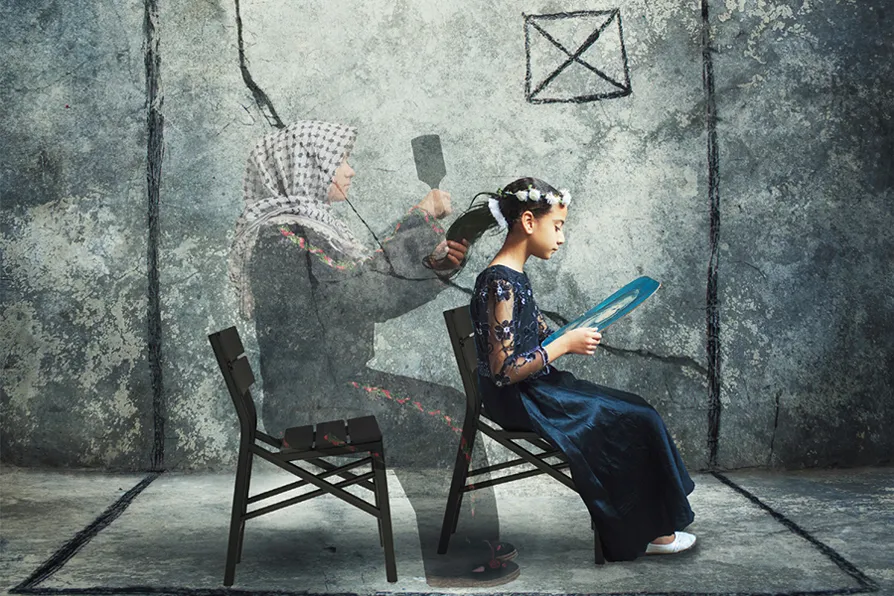
ANGUS REID applauds the potential of an ambitious show about Gaza, and encourages it to keep its nerve
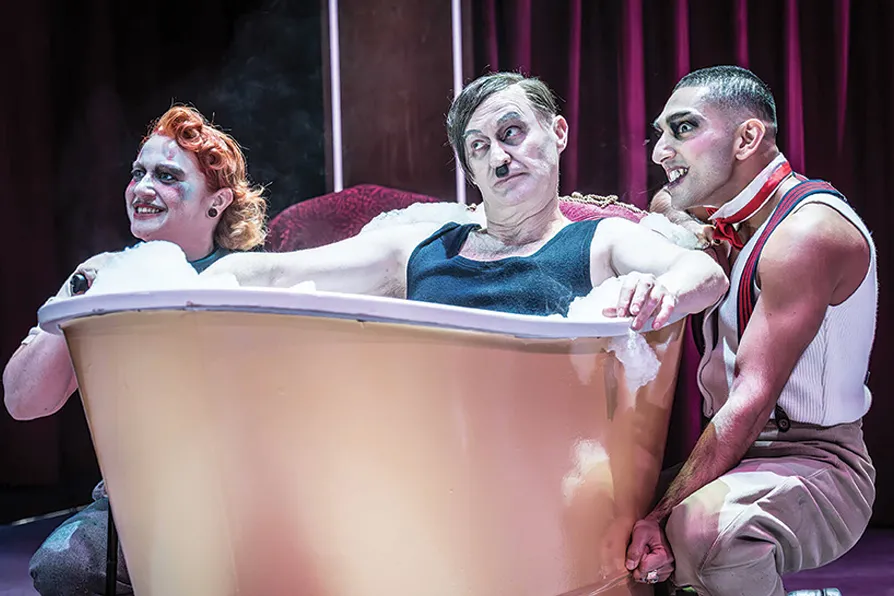
GORDON PARSONS salutes the apt return of Brecht’s vaudevillian cartoon drama that retains the vitality of the boxing or the circus ring
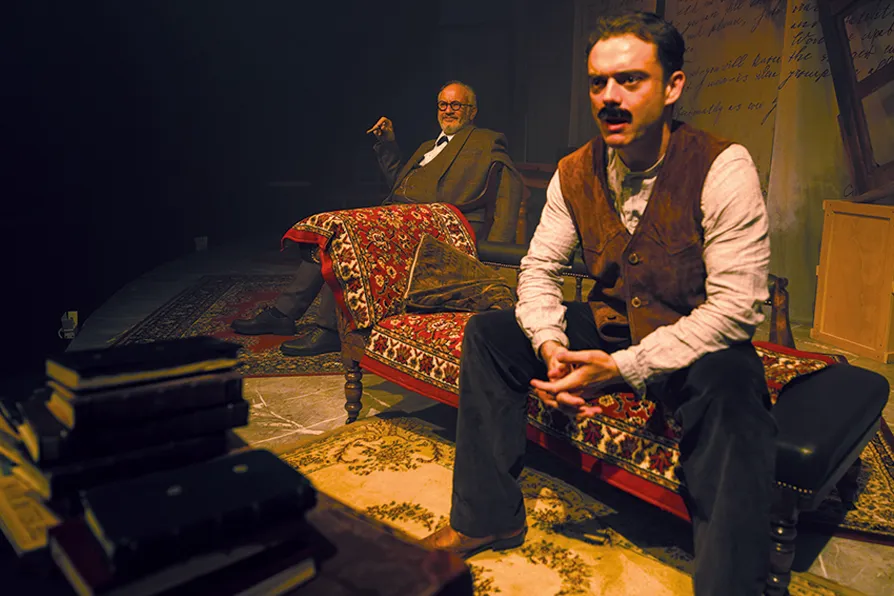
JAN WOOLF is beguiled by the tempting notion that Freud psychoanalysed Hitler in a comedy that explores the vulnerability of a damaged individual