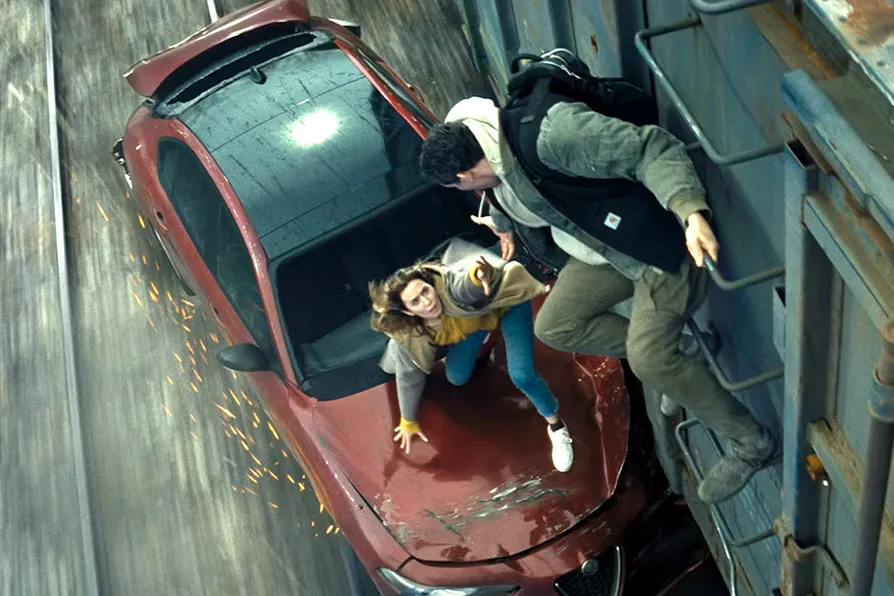
MARIA DUARTE defends a solid, late-career Spielberg conspiracy flick that calls for empathy in a hostile world


 Latest editorial
The Crisis
MARIA DUARTE, SCOTT ALSWORTH, ANDY HEDGECOCK and ANGUS REID review The Fall of Sir Douglas Weatherford, Detective Conan: Fallen Angel of the Highway, Time and Water, and Strictly Ballroom
STEVE JOHNSON recommends a beautiful album of songs that celebrate summer, from May Day onwards
New releases from Joe Wilkes, Honey and the Bear, and Hannah James and Toby Kuhn
Given the power of the live experience, MIK SABIERS recommends Jon Spencer’s new album
Reviews of T.P. Orchestre Poly-Rythmo, Tamikrest, and Dub Colossus


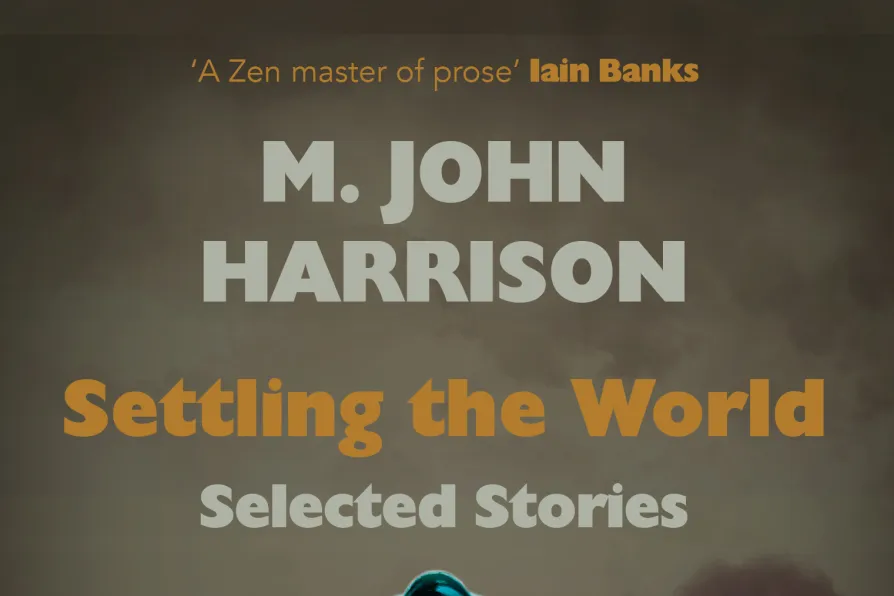
M JOHN HARRISON’S (pictured) science fiction focuses on landscape, alienation, the degrading of culture by money and the psychological fallout of economic decline.
His writing is elegant, complex and resistant to closure. His dispossessed characters experience flashes of illumination and collisions of the weird and the mundane.
I was hooked on Harrison after reading The Machine in Shaft Ten in the 1970s. Vivid and haunting, its closing line sums up his work: “We have no meaning – and thus, thankfully, no more illusions – left to lose.”

Similar stories

After battling hills, rain and injury in a three-day cycle ride ending at the CWU conference, MATT KERR reflects on why class unity remains the answer to injustice

Gisele Pelicot said ‘shame must change sides.’ We may think we agree, but, argues LOUISE RAW, society still has some way to go

MATT KERR charts his bike-riding odyssey in aid of the Royal Marsden charity and CWU Humanitarian Aid

When a couple moves in downstairs, gentrification begins with waffles and coffee, and proceeds via horticultural sabotage to legal action