DOUGLAS FIELD relishes the hard-boiled language, satire and humour of the third and last of the Harlem trilogy


 Latest editorial
The three monkeys plaguing the classical music industry
The 'hear nothing, see nothing and say nothing' approach to misogyny in classical music institutions shames us all, writes BEN LUNN
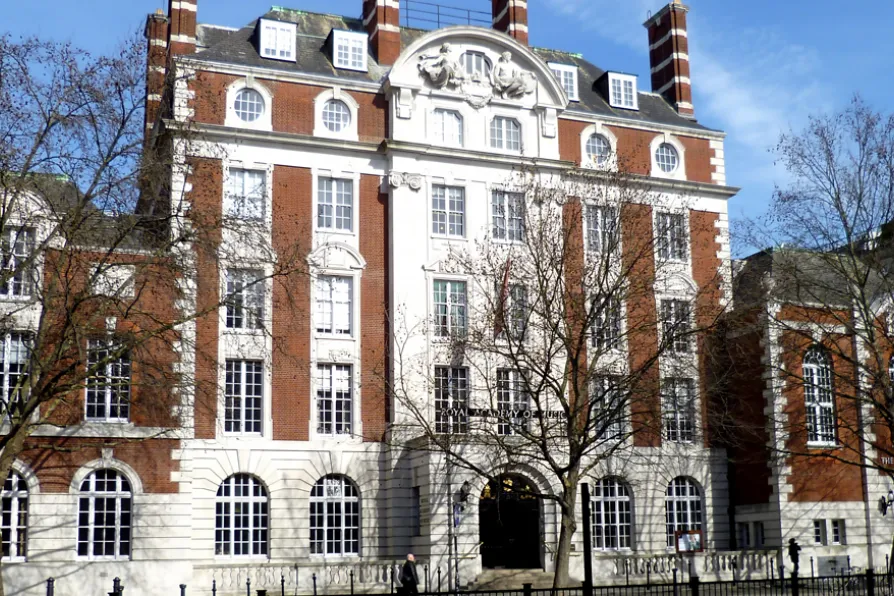 ID CRISIS: Royal Academy of Music
[Philafrenzy/Creative Commons]
ID CRISIS: Royal Academy of Music
[Philafrenzy/Creative Commons]
STEPHANIE BROWN draws attention to the hidden labour of the female embroiderers, and how a 19th century replica made no such error
MIK SABIERS revels in a band that ploughs an idiosyncratic furrow of expletive laden, guitar-driven alt rock
ANDY HEDGECOCK, MARIA DUARTE and ANGUS REID review Synthetic Sincerity, Our Hero, Balthazar, Heartstopper Forever, and A Year In London
The bard invites readers to a gig, raps for Clacton, and lays out the Burnham-Hurzeler conundrum
RON JACOBS recommends an important book that enhances the oppositional theories put forth by Fanon and, in doing so, remakes psychology itself


RECENTLY, numerous newspapers broke the news of disgraced composer Alex Woolf being found guilty of distributing sexual images without the consent of 15 different victims.
Before we talk in depth about the problems surrounding this case, we must acknowledge classical music has an incredible problem of misogyny and sexual misconduct. Recent examples in Royal Academy of Music, Chethams Music School (a specialist secondary school), Royal Welsh College of Music and Drama, Royal College of Music, and numerous others show that women and girls (and other at-risk individuals) are being failed or simply under-protected in a place where their only worries should be preparing for recitals, exams, and concerts.
Following the Crown Prosecution Service (CPS) announcement on August 16, the press release initially pointed out Woolf was a teacher and composer at Cambridge University, namely highlighting another case of a teacher exploiting their position of power against vulnerable women. However, only two days later, on August 18, the CPS removed any reference to his professional positions – ultimately implying he was a lone freelance composer committing abhorrent acts against women.

Similar stories
ANNA FISHER explores what would it mean for women’s equality and public safety if Britain embraces full commercialisation of the sex trade
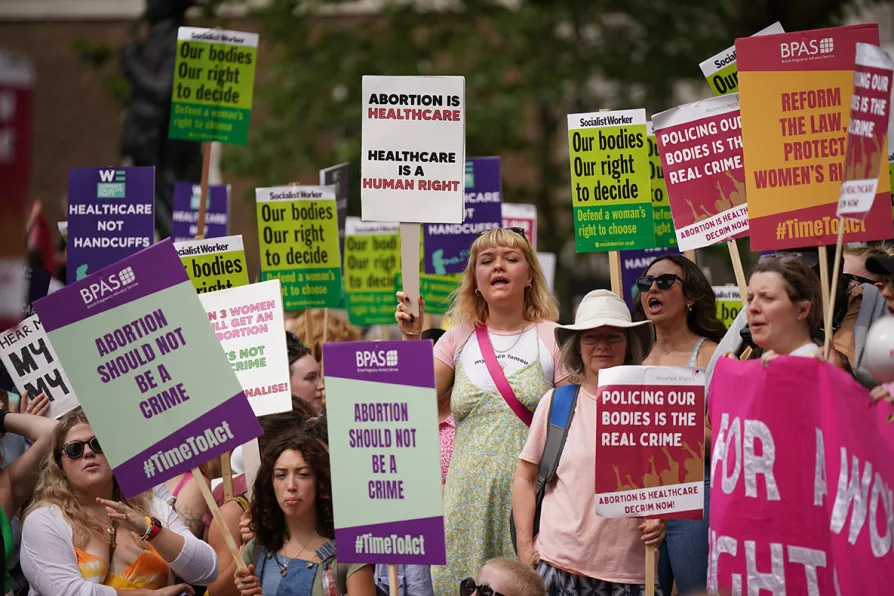
As peers prepare to debate reform of the 1861 Offences Against the Person Act, Labour MP Tonia Antoniazzi leads a bid to end the criminalisation of women who end pregnancies at home. LYNNE WALSH reports
LYNNE WALSH reports from the Women’s Declaration International conference on feminist struggles from Britain to the Far East