To rescue Kahlo from the clutches of the corporate art market, we need to acknowledge the overt and covert political dimensions of the work, demands GAVIN O’TOOLE


 Latest editorial
Watching the detectives gives clue to who real villains are
DENNIS BROE explores the strand in international crime fiction which lays bare the link between organised crime, the state and policing
 ILLUMINATING: Thomas Cantaloube
[Francesca Mantovani/Creative Commons]
ILLUMINATING: Thomas Cantaloube
[Francesca Mantovani/Creative Commons]
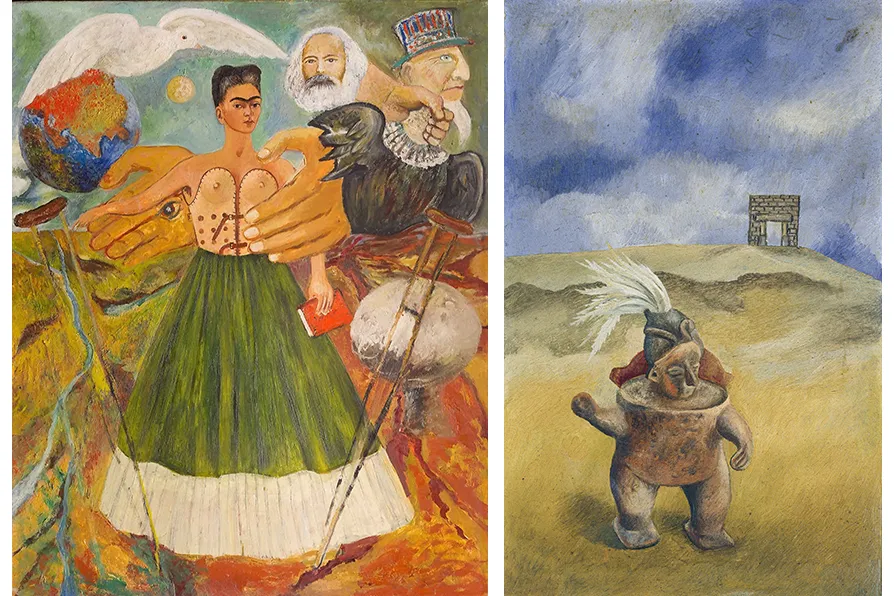
If you can see past the relentless commodification you will be rewarded by enormously powerful work, suggests JENNY MITCHELL
CHRIS SEARLE revels in the one-off collaboration between an American polymath and a British Muslim, and detects the presence of their revolutionary forebear
GORDON PARSONS revels in an ebullient production of Shakespeare’s magical comedy
BRENT CUTLER welcomes a thoughtful analysis of the Erdogan regime, viewed through the evolving history of a neighbourhood in Istanbul
GORDON PARSONS regrets the price, but is dazzled by an outstandingly ambitious study of the way art restoration in particular, and culture in general was weaponised by the Nazis


“I DO not write about good cops for the same reason I do not write about unicorns,” US noir novelist Benjamin Whitmer recently declared. Neither exists and “if the police do their work correctly, that work is violence against the poor and working class for the protection of the upper class.”
The author of Cry Father and Pike criticises a genre in which “the daily violence of the police is totally ignored” and his sentiments find an echo in hard-boiled writers such as journalist Matt Taibbi, whose The Business Secrets of Drug Dealing transcribes the account of an anonymous marijuana dealer.
Whitmer claims that the police, far from being the expert sleuths of crime fiction and crime TV series such as CSI, in fact operate mainly by grabbing informers off the street and beating them until they give up names and testimony which are often inaccurate because obtained under duress.

Similar stories
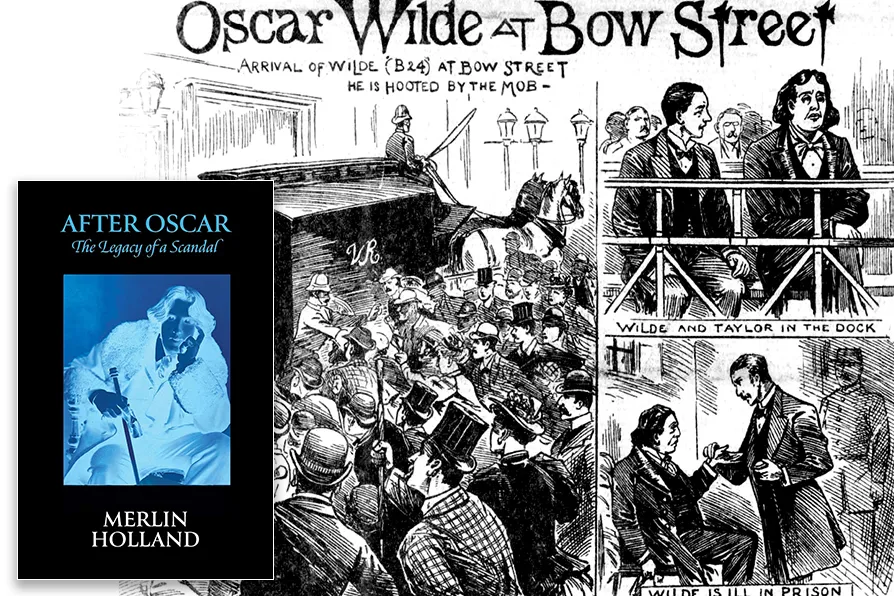
MARJORIE MAYO welcomes an account of family life after Oscar Wilde, a cathartic exercise, written by his grandson
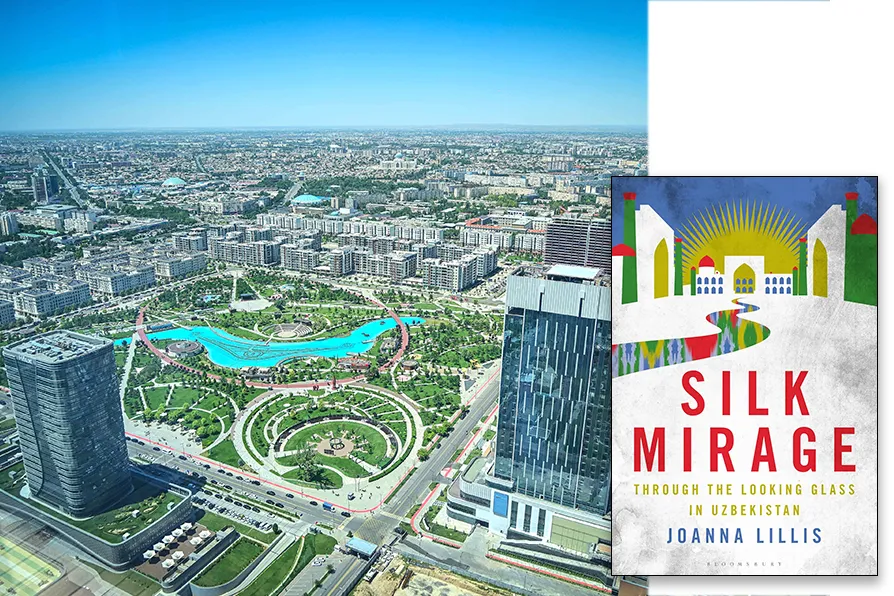
STEVE ANDREW is intrigued by a timely and well-researched book that demonstrates the conflicted history of the central Asian country
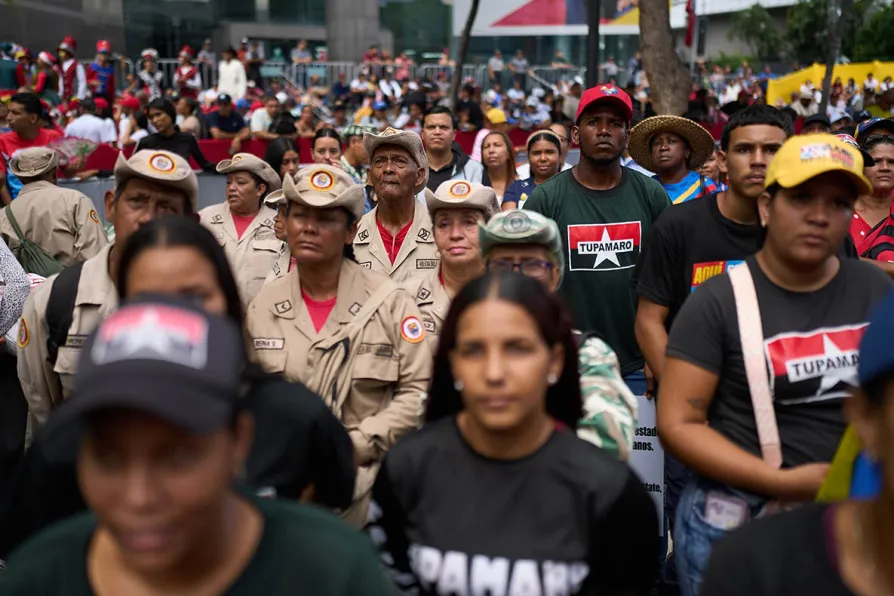
HANK KENNEDY contends that US military attacks in the Caribbean amount to modern piracy driven by Venezuela’s oil wealth
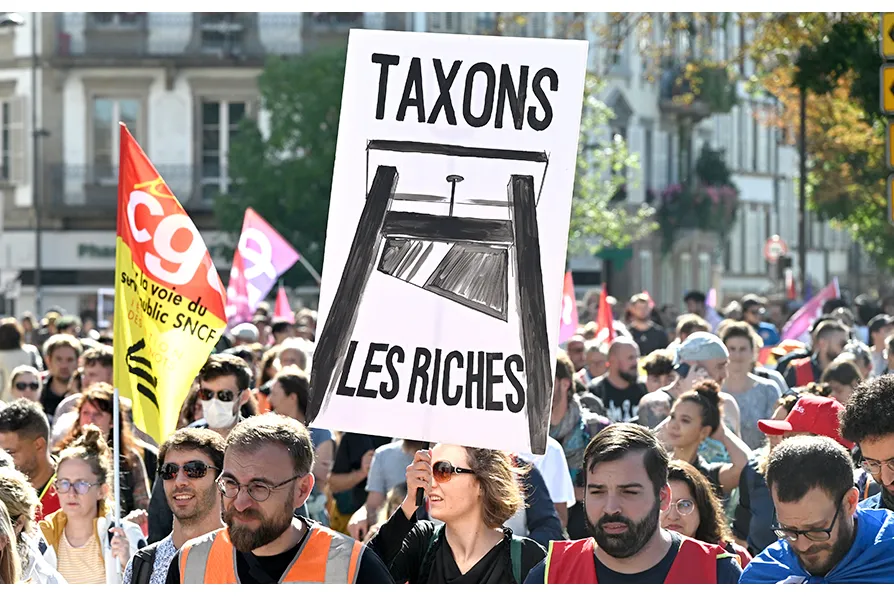
The desperate French president keeps running up the same political cul-de-sac. DENNIS BROE offers an explanation