While international actors discuss governance and reconstruction, Netanyahu has made it clear that Israel has no intention of ending its military occupation, says RAMZY BAROUD


 Latest editorial
Can Europe reject a trade war detour against China?
As Biden ramps up punitive tariffs to protect an ailing corporate supremacy, the EU faces a crucial choice — stay chained to a crumbling US empire, or navigate constructive economic ties with China itself, writes MARC VANDEPITTE
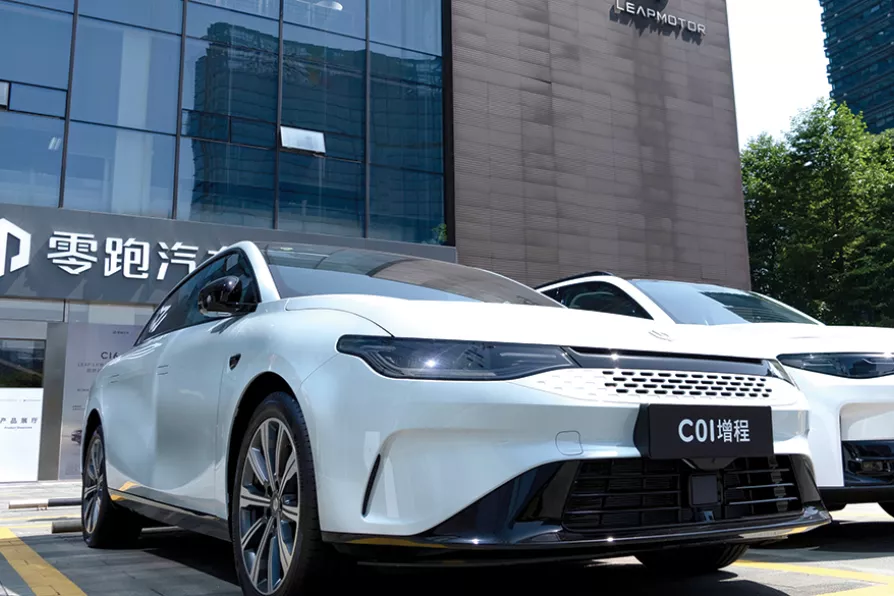 THE SHAPE OF THINGS TO COME: Leapmotor EVs are parked outside a showroom in Hangzhou in Zhejiang province, eastern China, last week. European carmaker Stellantis announced it had formed a joint venture with Leapmotor that will begin selling EVs in nine European countries later this year
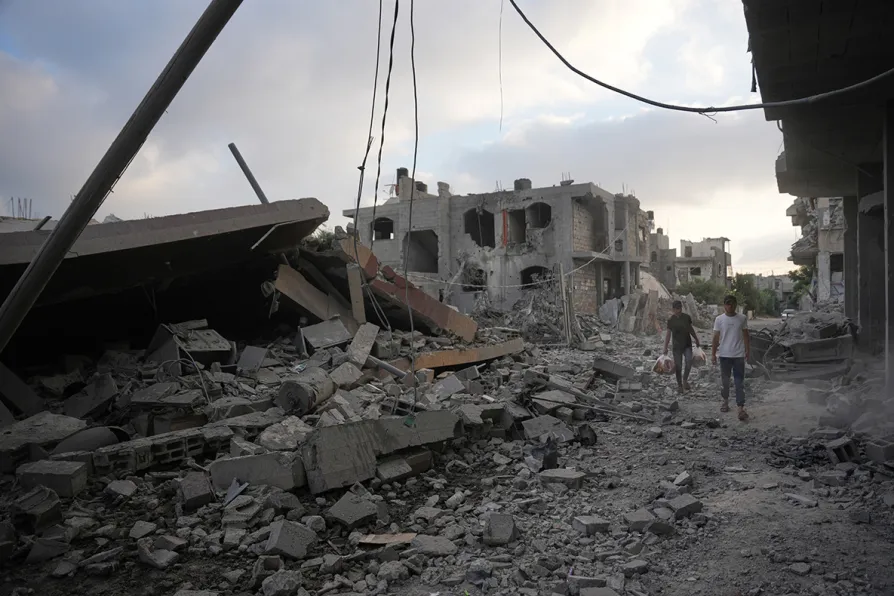
NICK WRIGHT continues his series analysing the trends in European politics
We have the alternative economics, histories of our struggles and the confidence to change the world
General Federation of Trade Unions assistant general secretary HENRY FOWLER reports on the final day from the GFTU’s residential Summer School at the Workers’ Retreat, Quorn Grange Hotel
Capitalism has exploited — and polluted — our natural resources for too long, it’s time we treated our rivers as living beings, writes MIRIUM GAUNTLETT, LIAM SHAW and ROX MIDDLETON
Treating the Clacton by-election as a joke risks reinforcing the Reform leader’s claim to be the victim of an out-of-touch Establishment, argues JOHN McINALLY
MPs and others called for the urgent release of tortured Palestinian doctor, Hussam Abu Safiya, held hostage by Israel and reportedly near death, reports LINDA PENTZ GUNTER


THE US economic war against China has been going on for some time. It began under Trump and was continued zealously under Biden.
It ranges from import tariffs on Chinese machinery, electronics, steel, aluminium and auto parts, among others, to restrictions on technology transfers of semiconductors, artificial intelligence, telecommunications and 5G networks, space and satellite technology, robotics and advanced manufacturing technology.
Several Chinese companies are on blacklists, preventing US companies from trading with them. This also applies to investments in certain Chinese sectors such as technology, telecom and infrastructure.

Similar stories

Friedrich Merz’s call for a new Plaza Accord ignores how Washington’s 1985 currency ambush destroyed Japan without fixing US deficits — China, a sovereign socialist state with 1.4 billion consumers, cannot be bullied the same way, writes CARLOS MARTINEZ
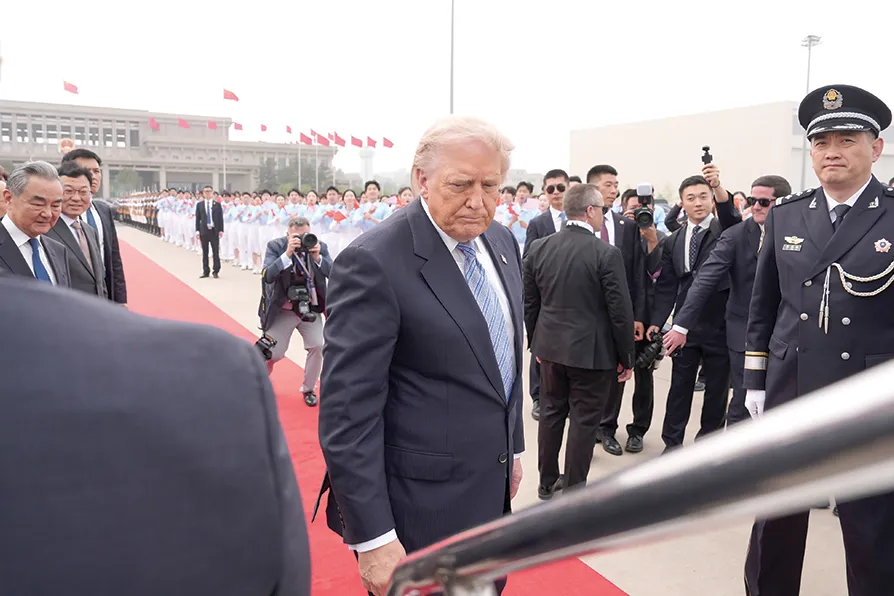
JENNY CLEGG looks at the key points that defined the China-US relationship, for now
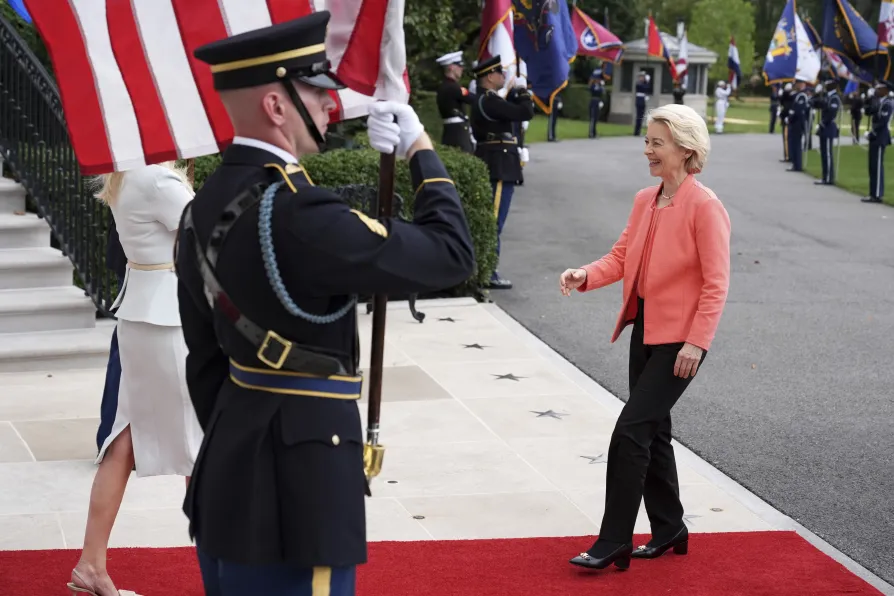
US tariffs have had Von der Leyen bowing in submission, while comments from the former European Central Bank leader call for more European political integration and less individual state sovereignty. All this adds up to more pain and austerity ahead, argues NICK WRIGHT
It’s the dramatic rise of China with its burgeoning economy that has put the Trump administration into a frenzy – with major implications both at home and abroad, argues MICHAEL BURKE