

 Latest editorial
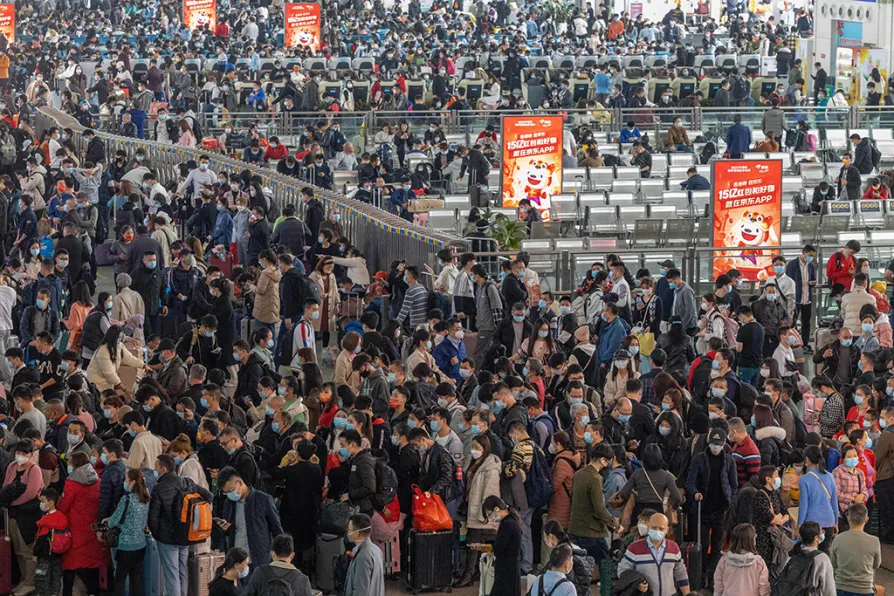 Travellers wearing face masks to protect against Covid-19 line up for trains at a station in Guangzhou in southern China's Guangdong Province
![A recue carried out in the Mediterranean Sea by SOS Mediterranean [Pic: Marcel Beloqui Evardone / SOS Humanity]](https://morningstaronline.co.uk/sites/default/files/styles/desktop/public/2026-06/20251124_Rescue_01_Marcel_Beloqui_Evardone_LQ-21.jpg.webp?itok=iwkIhCAa)


CHINA is likely to become a high-income country by next year, economists said yesterday.
In 2021 per capita income reached $12,551 (£9,380), not far shy of the World Bank definition of a high-income country ($12,695).
China’s zero-Covid policy, using strict localised lockdowns and mass testing with isolation and support to prevent the spread of coronavirus, has enabled it to avoid national lockdowns or major waves of sickness, meaning it was among the few economies to record continuing growth in 2020, which sped up in 2021.
While many low-income countries (defined as having per capita income of under $1,046 in 2021) have become middle-income countries, China would only be the second to move from low to high-income since the second world war, after South Korea.
The World Bank has described a “middle income trap” in which developing countries’ labour becomes more expensive, deterring investment, though critics ascribe underdevelopment to the domination of many economies by Western transnationals which channel profits away from them.

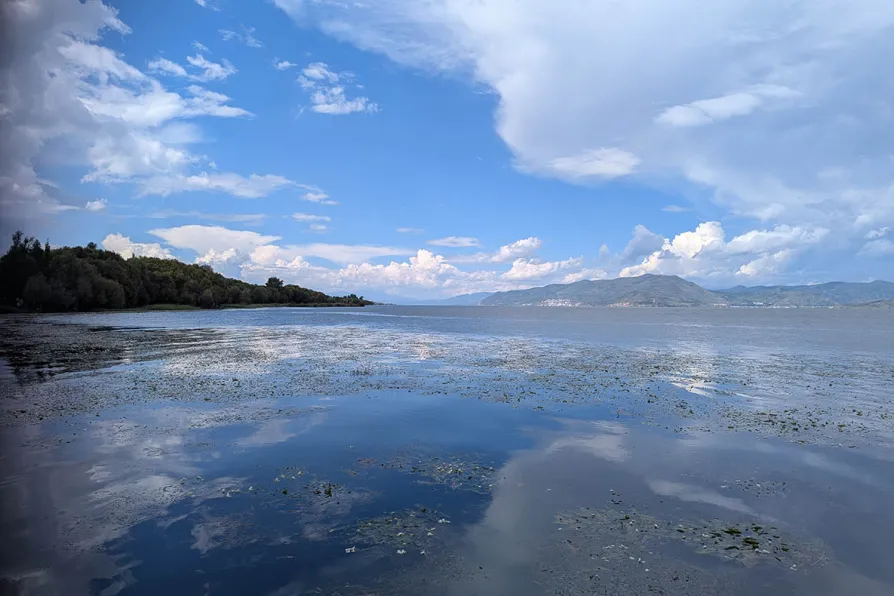
One of the major criticisms of China’s breakneck development in recent decades has been the impact on nature — returning after 15 years away, BEN CHACKO assessed whether the government’s recent turn to environmentalism has yielded results
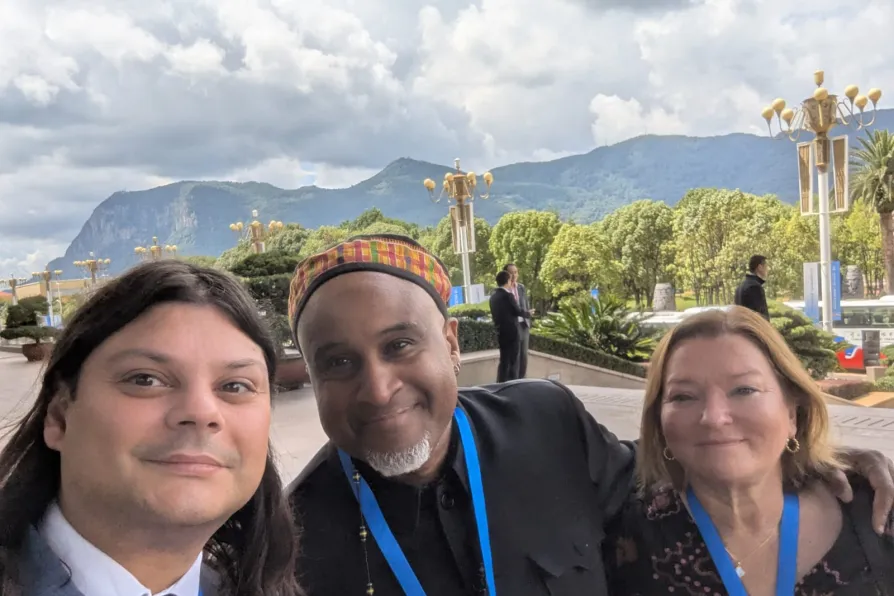
ROGER McKENZIE argues that the BRI represents a choice between treating humans as commodities or as equals — an essential project when, aside from China’s efforts, hundreds of millions worldwide are trapped in poverty
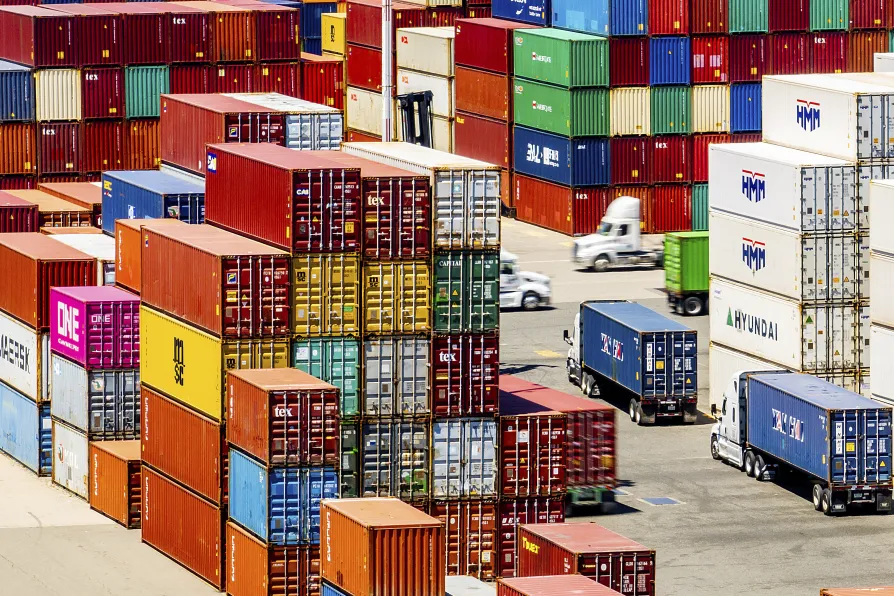
It’s the dramatic rise of China with its burgeoning economy that has put the Trump administration into a frenzy – with major implications both at home and abroad, argues MICHAEL BURKE
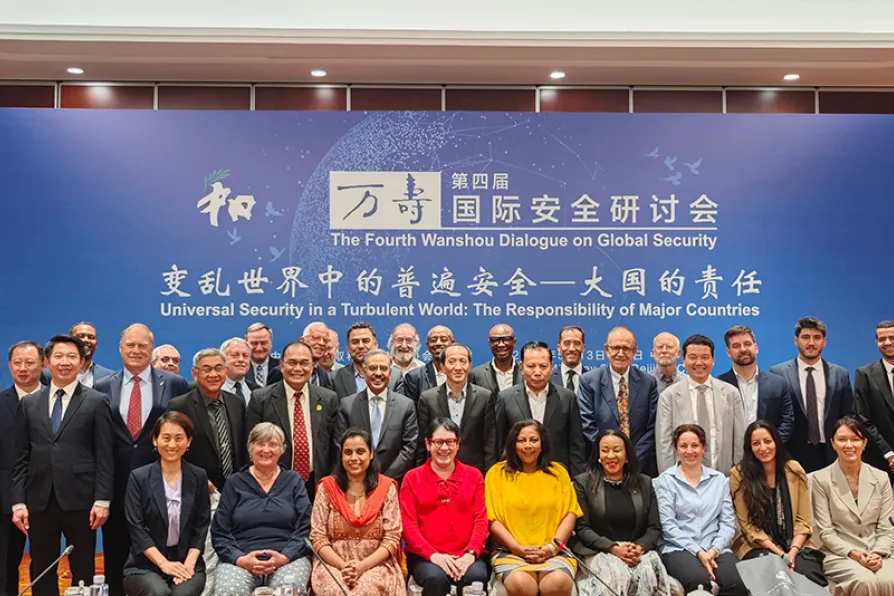
JENNY CLEGG reports from a Chinese peace conference bringing together defence ministers, US think tanks and global South leaders, where speakers warned that the erosion of multilateralism risks regional hotspots exploding into wider war