

 Latest editorial
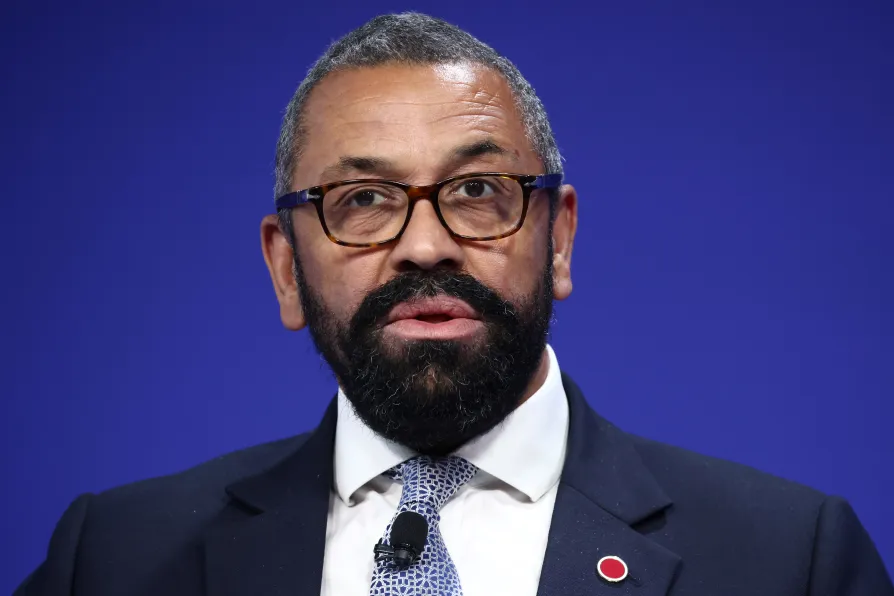 Foreign Secretary James Cleverly


THE Foreign Secretary’s visit to Beijing is a welcome attempt to keep communications open with an economic, scientific and technological giant.
James Cleverly is spot on when he says global problems cannot be addressed without China, whether we are talking about climate change, co-operation on pandemics or — the elephant in the room given the feverish warmongering on Tory back benches — avoiding World War III.
The government’s attitude contrasts favourably to that of critics like ex-work and pensions secretary Iain Duncan Smith. For Duncan Smith, for whom “anything to do with China is a security threat,” simply holding talks with Chinese leaders is “appeasement.”
Labour’s David Lammy does not go quite so far, though he calls on Cleverly to secure “tangible diplomatic wins” such as the removal of sanctions on British parliamentarians.
He does not mention that China’s sanctions on five British MPs, dating back to 2021, were a retaliatory measure following Britain’s sanctioning of four Chinese officials.
The exchanges are instructive, since they illustrate the arrogance with which Western powers continue to deal with developing countries. MPs insist that our foreign secretary should wring concessions from Beijing — yet any talk of mutual concessions would be “appeasement.”
Coming in the month six more countries, including traditional US allies Saudi Arabia and the United Arab Emirates, were announced as joining the Brics bloc of global South nations, this arrogance is dangerous. We are no longer in a world where the West’s wish is law.
The vast majority of countries welcome this. Cleverly suggests it would be a mistake for Britain to isolate China, but the reality is it cannot do so.
Talk about China having grown more “isolated” under Xi Jinping rests solely on deteriorating relations with the US and its allies.
They do not reflect a global reality where China has in recent years overtaken the US as the country with the most diplomatic missions abroad, where it is the main trading partner of an absolute majority of nations, or where its Belt & Road Initiative is the biggest lender of development finance on the planet.
Other government lines are equally disingenuous. China is urged to be more “responsible” over conflicts like that in Ukraine.
But China is not supplying arms to a side in that war, as Britain is. China has proposed a 12-point plan that could form the basis of peace negotiations. Britain has not only done nothing to further peace in Ukraine, but according to allies including Israel and Turkey it actively intervened to derail peace talks in the early months of the conflict.
That spoiler record is not confined to Ukraine: according to Houthi leaders in Yemen Britain and the US are “leaving no stone unturned” to stop peace in that country too, after real progress including prisoner exchanges achieved through Chinese-brokered talks with the warring sides’ sponsors, Saudi Arabia and Iran.
Cleverly’s diplomatic mission is hedged with caveats. As has been clear since we ripped up a national 5G development contract with Huawei on US orders, our China policy is not set in Westminster but in Washington: and together with the US we are militarising the Pacific through aggressive military pacts like Aukus.
It may not achieve much, but it is better than the mood music on the green benches, where the foreign select committee not only urges Aukus expansion but calls for Britain to join another anti-China military bloc, the Quad, a prescription for miring us still deeper in the preparations for a Pacific war that a US general has predicted for the year after next.
The Beijing trip is a hint of sanity in a context where parliamentary opinion is increasingly unhinged. World War III is a real possibility, and there can be no higher priority than preventing it. The left must rebuild a peace movement capable of forcing that reality on our foolhardy political elite.

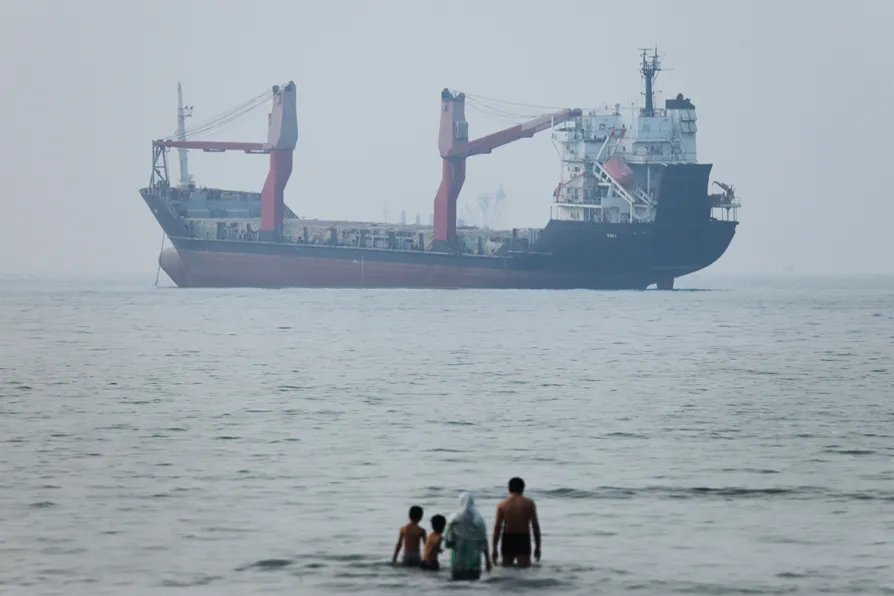
The US-Israeli conflict with Iran has had far-reaching consequences, including a boost to Pakistan’s regional standing, argues ROGER McKENZIE
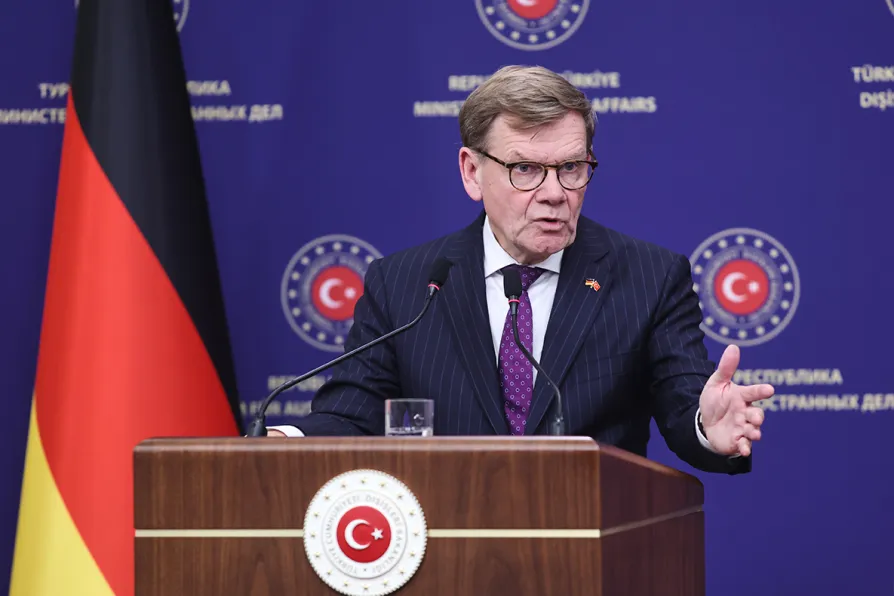
The cancelled China trip of the German Foreign Minister marks a break with Helmut Schmidt’s China policy and drives Germany further into Washington’s confrontation course, warns SEVIM DAGDELEN
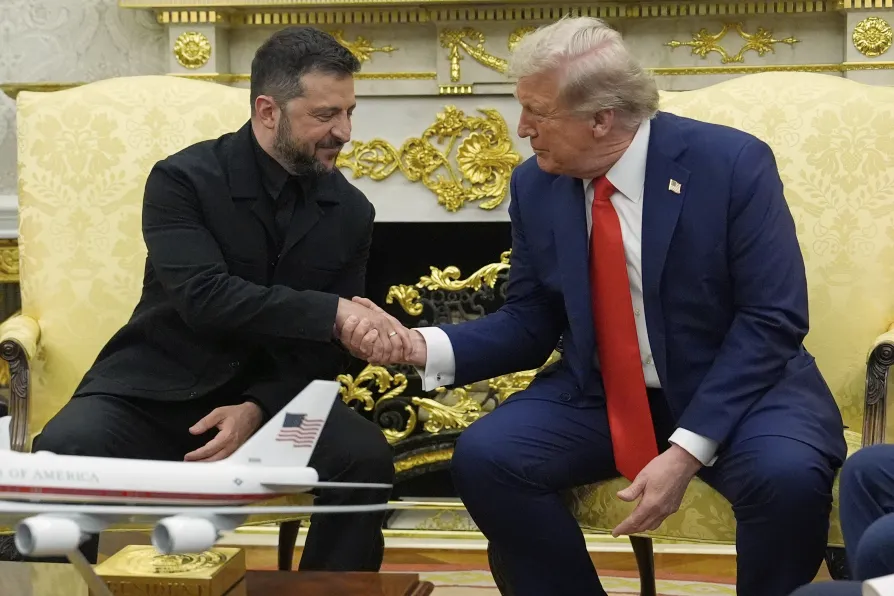
Washington plays innocent bystander while pouring weapons and intelligence into Ukraine, just as it enables the Gaza genocide — but every US escalation leaves Ukraine weaker than the neutrality deal rejected in 2022, argue MEDEA BENJAMIN and NICOLAS JS DAVIES
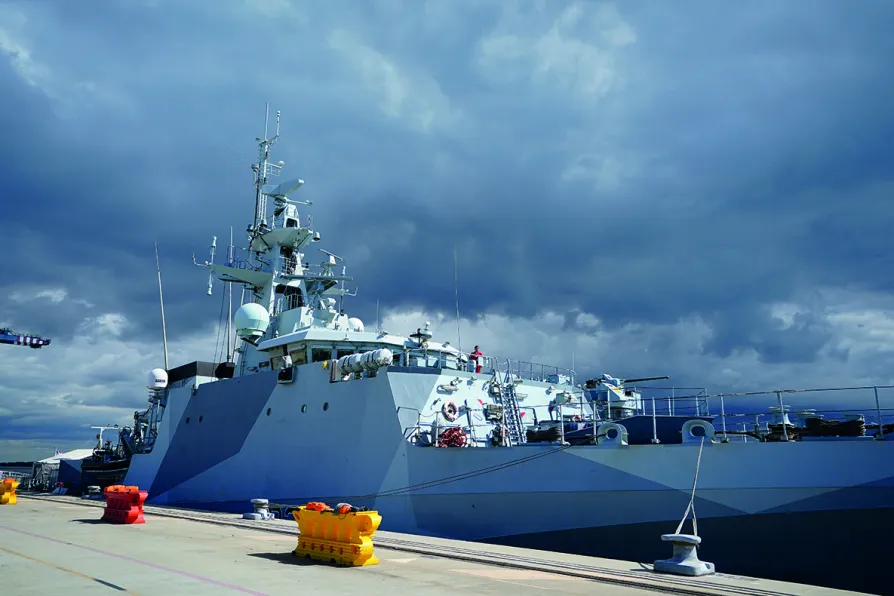
From 35,000 troops in Talisman Sabre war games to HMS Spey provocations in the Taiwan Strait, Labour continues Tory militarisation — all while claiming to uphold ‘one China’ diplomatic agreements from 1972, reports KENNY COYLE