PAUL DONOVAN is chilled by the contemporary resonance of Harper Lee’s coming of age tale amidst racism and white supremacy in this excellent production


 Latest editorial
Come down the farm
PAUL DONOVAN applauds an adaptation that draws out the contemporary relevance of George Orwell’s satire
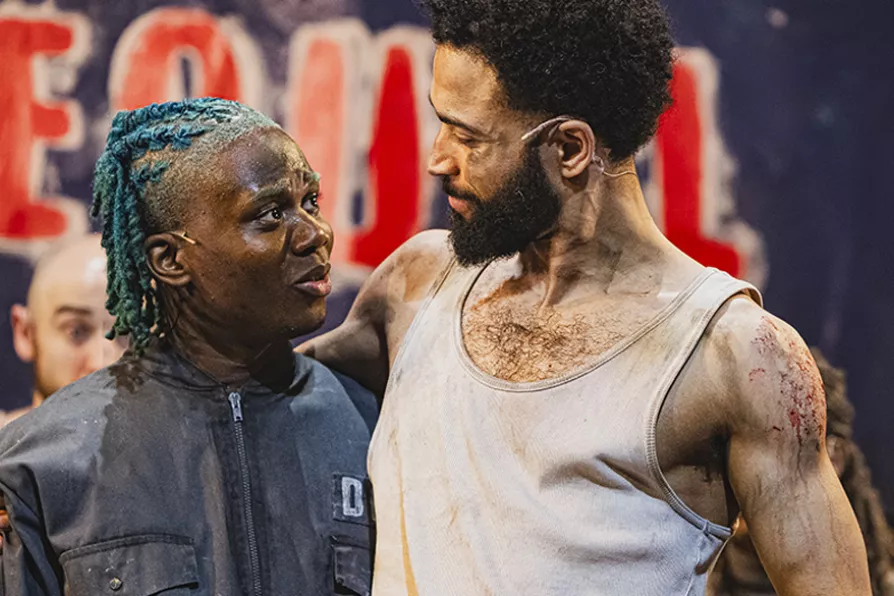 INEQUALITIES EXPOSED: Joshua-Alexander Williams as Blue and Tachia Newall as Napoleon in Animal Farm
[Kirsten McTernan]
INEQUALITIES EXPOSED: Joshua-Alexander Williams as Blue and Tachia Newall as Napoleon in Animal Farm
[Kirsten McTernan]
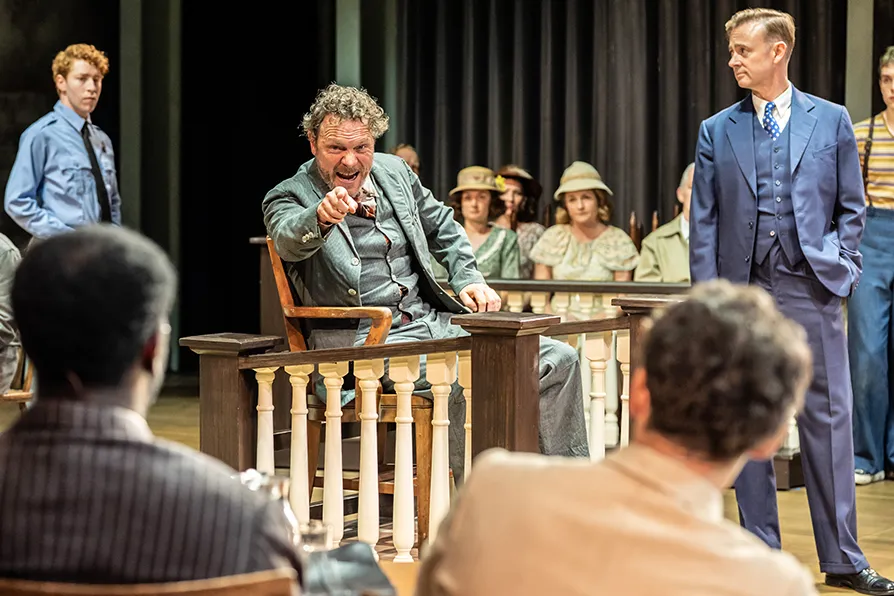
GEOFF BOTTOMS recommends the unashamedly light-hearted escapism on offer in this stage version of the 1963 film
Full of mysterious religious references and radical sound design, the Scottish duo’s new offering is candidate for album of the year, suggests SIMON DUFF
MARY CONWAY revels in a powerful reminder that human lives are not defined by physical perfection
PAUL DONOVAN recommends the fine performances in this account of the pre-war meeting between the US president and the British king
TECLYN AROD relishes an intimate celebration of jazz improvisation that mixes local and national musicians


Animal Farm
Theatre Royal, Stratford East
THIS excellent adaptation of George Orwell’s iconic book gives a real contemporary feel to proceedings.
The original book, published in 1945, saw Orwell drawing what he saw as lessons from the early years of the Russian revolution. This Tatty Hennessy adaptation centres more on power dynamics, manipulation of group situations and inequality.
In places there is more than a hint of the recent history of the Labour Party, with a popular leader ousted and a manipulative shadowy figure putting his man into the top job. The role of manipulative pig, Squealer (Tom Simper), has certainly been made far more prominent than in the original book. A cross between Peter Mandelson and Uriah Heep.

Similar stories
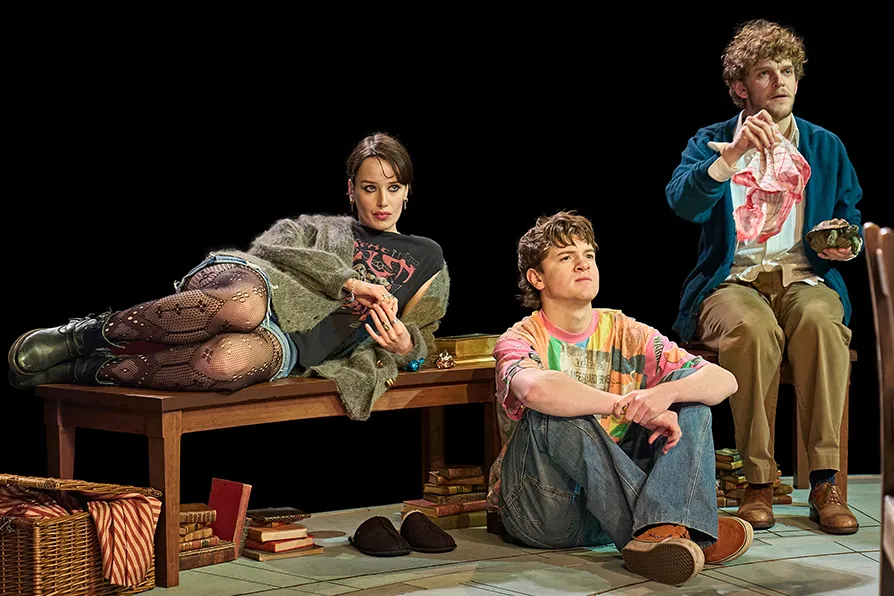
MARY CONWAY becomes impatient with the intellectual self-indulgence of Tom Stoppard in a production that is, nevertheless, total class

MAYER WAKEFIELD has reservations about a two-handed theatrical homage to jazz’s most mercurial musician
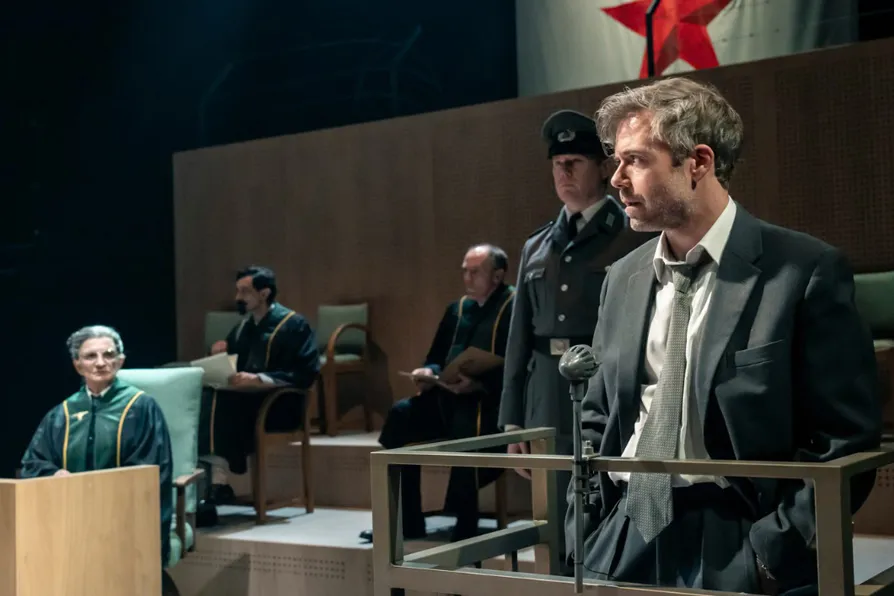
PETER MASON applauds a stage version of Le Carre’s novel that questions what ordinary people have to gain from high-level governmental spying
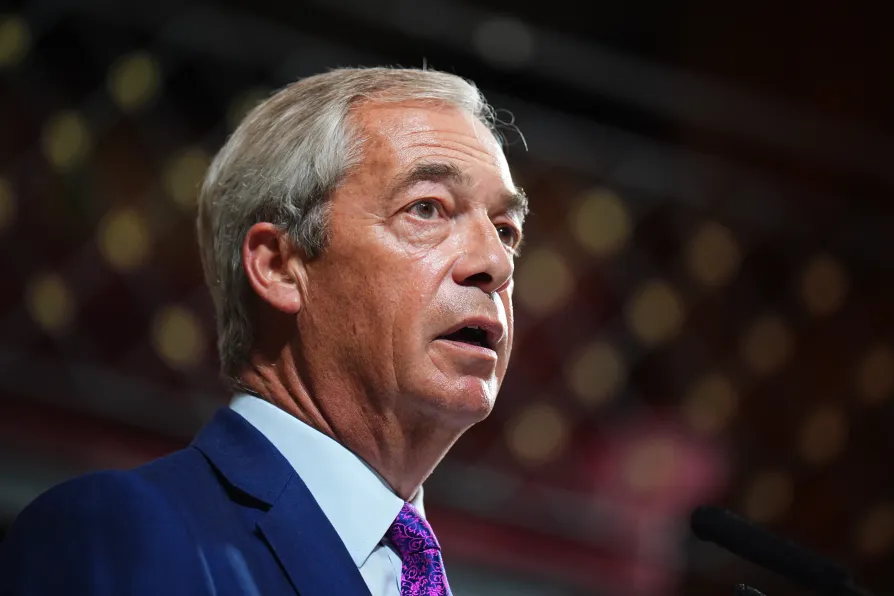
While Spode quit politics after inheriting an earldom, Farage combines MP duties with selling columns, gin, and even video messages — proving reality produces more shameless characters than PG Wodehouse imagined, writes STEPHEN ARNELL