

 Latest editorial
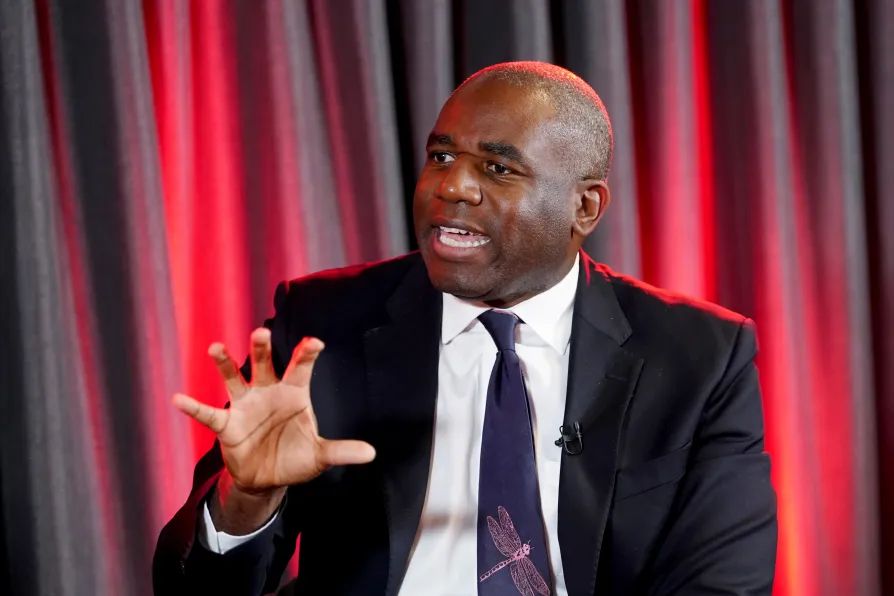 David Lammy attends a LADbible event on the challenges affecting men and boys, at the LADbible HQ, in Islington, London, June 9, 2026



DAVID LAMMY’S planned changes to criminal courts in England and Wales could have a “far-reaching” impact on race relations, a cross-party committee of MPs warned today.
The justice select committee said the Deputy Prime Minister’s proposal to remove the right to elect for a crown court trial “has the potential to increase mistrust in the criminal justice system among the black community,” as black defendants are more likely to choose jury trials.
In 2022, 26 per cent of black defendants elected for crown court trial, compared with 15 per cent of white defendants.
Committee chairman Andy Slaughter said it was “shocking” that only 1 per cent of crown court judges are black, a figure unchanged since 2015.
The Labour MP called for a clear national target to achieve a representative judiciary by 2035.
The 109-page report also highlighted an “unintended consequence” of the proposed trial allocation process, where defendants with previous convictions would be more likely to receive a jury trial than those with a clean record, since prior convictions are an aggravating factor under sentencing guidelines, making longer and jury-eligible sentences more likely.
The Criminal Law Solicitors’ Association told the committee this differential impact would amount to “a penalty for being of good character.”
The committee also warned that the target of reaching 21,000 magistrates by 2029 was “unrealistic,” with past recruitment campaigns having “fallen far short” and retention remaining a “persistent challenge.”
Mr Lammy, who is also Justice Secretary, announced plans last December to transfer thousands of trials from juries to judges and magistrates.
The government is braced for rebellions when the Courts and Tribunals Bill returns to the Commons, with 38 MPs already having signed a letter urging the Prime Minister to reverse the plans.
Fiona Rutherford, chief executive of campaign group Justice, said: “It is deeply unfair on both victims and defendants that those with previous convictions are more likely to retain that protection than those with none.
“The government should drop jury trial cuts and turn to measures to actually improve the court backlog.”
The Ministry of Justice said the reforms, combined with “record investment and modernisation,” would “get cases heard faster, protect jury trials for the most serious crimes” and tackle the court backlog by the end of parliament.
Black Activists Against Cuts national chairwoman Zita Holbourne said: “The judicial system is institutionally racist, Black people are far more likely to get custodial sentences than their white counterparts for the same crime.
“The racism in the judiciary extends to the recruitment, which is why there is such a low number of Black judges which in 2026 is disgraceful and needs to be addressed urgently.
“It is crucial that juries are in place that reflect the diversity of our multicultural society if there is to be any element of fairness and equity in the judicial system. Removing them is a grave mistake and a huge step backwards that works to stop justice not achieve it and will be met with huge resistance and protest.
“We cannot allow a judicial system governed by predominantly white judges sitting alone, this increases and supports a racist judicial system rather than working to address the racism within it.”

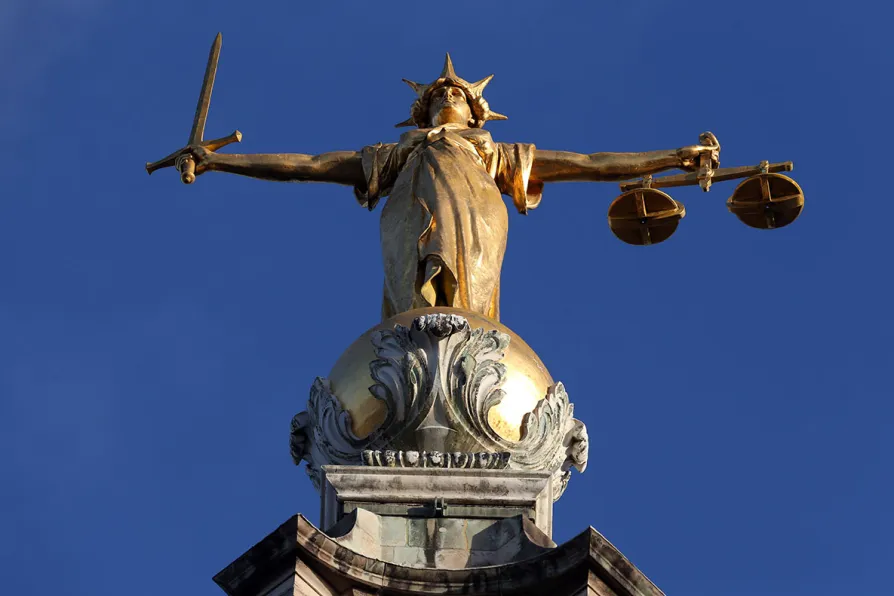
The government’s case for abolishing most jury trials doesn’t stand up to scrutiny, argues KIM JOHNSON MP – and it must be stopped before it does lasting damage to democracy

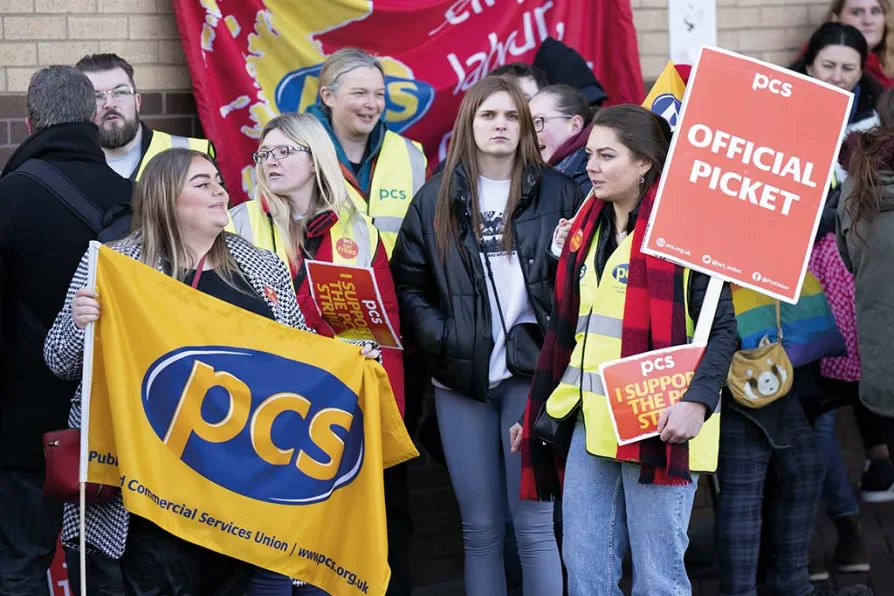
PCS members face dangerous working conditions in crumbling buildings while the Common Platform IT system obstructs rather than streamlines operations — and Labour’s promised wave of insourcing has not materialised, writes SHARON McLEAN

ANSELM ELDERGILL examines the government’s proposals to further limit the right of citizens to trial by jury