

 Latest editorial
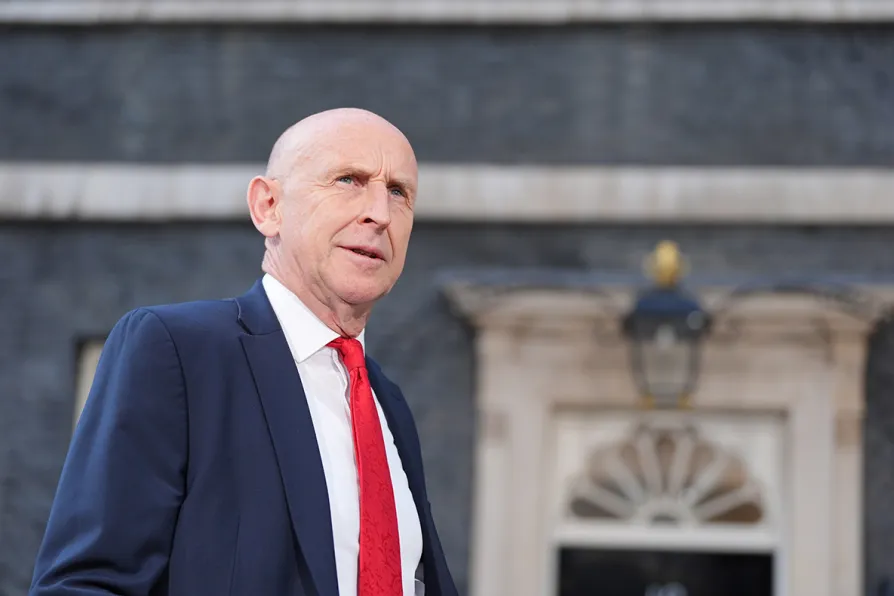
 Former Labour leader Jeremy Corbyn (centre left) joins protesters on Whitehall as they march towards Downing Street in London to demonstrate against racism, Islamophobia, antisemitism, fascism and the far right


THE decision of the Labour Party executive to prohibit Jeremy Corbyn from standing as a Labour candidate at the next general election throws down a gauntlet to the left.
It is the latest step taken by Keir Starmer in his hitherto successful drive to destroy Corbynism as a movement and throw the party back to the darkest days of New Labour.
He prevailed by 22 votes to 14. We can be sure that the minority spoke, however, for most Labour members and most of the wider movement.
Unison representatives on the party’s national executive committee (NEC) abstained in the vote, while those from GMB and Usdaw supported Starmer’s vindictive and undemocratic move. Members of those unions will doubtless want to know why.
However, the Labour left responded more robustly than it has recently: the Socialist Campaign Group of MPs found its voice in defence of party democracy, while Momentum’s response brimmed with an anger shared by hundreds of thousands of people.
It is becoming more widely appreciated that Starmer is a hypocrite and a charlatan, as dishonest in his own way as Boris Johnson.
His supporters struggle to justify his move against Corbyn. The performance of Ed Miliband was particularly unappetising here, turning on virtually the only MP to defend his father Ralph when he was the subject of an anti-semitic attack by the Daily Mail during the younger Miliband’s leadership.
Miliband may also care to note that the justification for barring Corbyn — the alleged electoral unpopularity of the former Labour leader who secured 40 per cent of the vote in the 2017 general election and 32 per cent in 2019 — could easily be used against another previous leader, who won just 30 per cent in 2015 — Miliband himself.
The question now is how the left should respond. Resistance to Starmer is building. The outrageous blocking of many union-supported candidates from seeking the Labour nomination in winnable seats has led to pressure, forcing the leadership to concede an appeal process for such decisions.
It is proof that challenging Starmer can produce results, but for many on the left, not least the hundreds of thousands who have departed from Labour’s ranks, it is a case of too little, too late.
There is obviously considerable interest in how Corbyn personally responds to the decision. Should he decide to stand as an independent candidate in Islington North, which he has represented for 40 years, he will surely have enormous support inside and outside the constituency.
Forming a new party is another matter. It is very far from clear that the basis exists for any such initiative to secure significant support at present.
To date, most unions have rejected calls to disaffiliate from Labour, with the bakers’ union (BFAWU) the exception. Should that change — and this week’s decision will only sharpen the debate in several affiliates — the calculations around a new party might change too, as they would if a larger number of sitting Labour MPs were to be purged by the Starmer clique.
As things stand, however, a new party would, outside the special conditions of Islington, face all the familiar problems which have beset such ventures over the last 30 years.
That does not make the Labour picture any prettier. When major unions cannot get their candidates even considered for Labour nominations, the party is losing its historic class character, along with its democratic principles.
The need then is for united initiatives that can promote the Corbyn-era policy agenda which Starmer has so cynically ditched and resist the degrading of Labour democracy.
Alongside that, the left outside Labour needs to urgently consider what unified form of electoral challenge to Starmer’s candidates is appropriate at the next election. It is not business as usual.


The PM leaves office having squandered Labour’s electoral mandate and alienated its grassroots. He will not be missed, writes BRIAN LEISHMAN MP
Your Party can become an antidote to Reform UK – but only by rooting itself in communities up and down the country, says CLAUDIA WEBBE

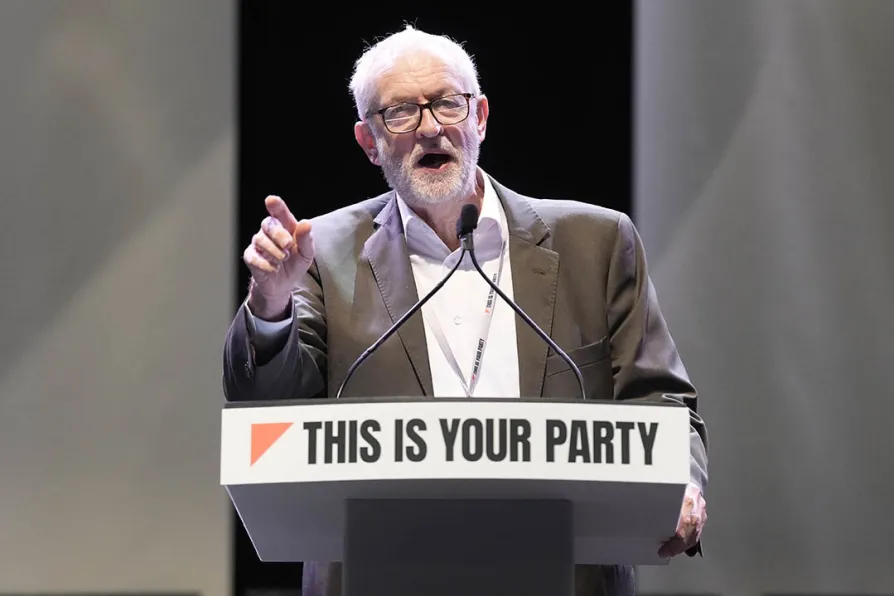
With ‘Your Party’ holding its founding conference in Liverpool this weekend, JEREMY CORBYN speaks to Morning Star editor Ben Chacko about its potential, its priorities — and a few of its controversies too
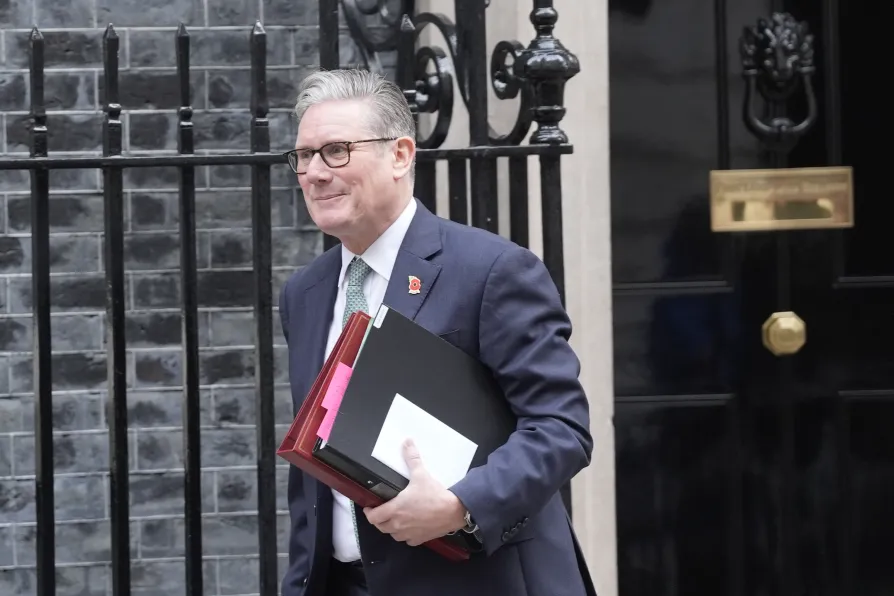
As the PM and his chief of staff’s blunders have mounted up, ANDREW MURRAY wonders who among Labour’s diminished ‘soft left’ might make a bid for the leadership