

 Latest editorial
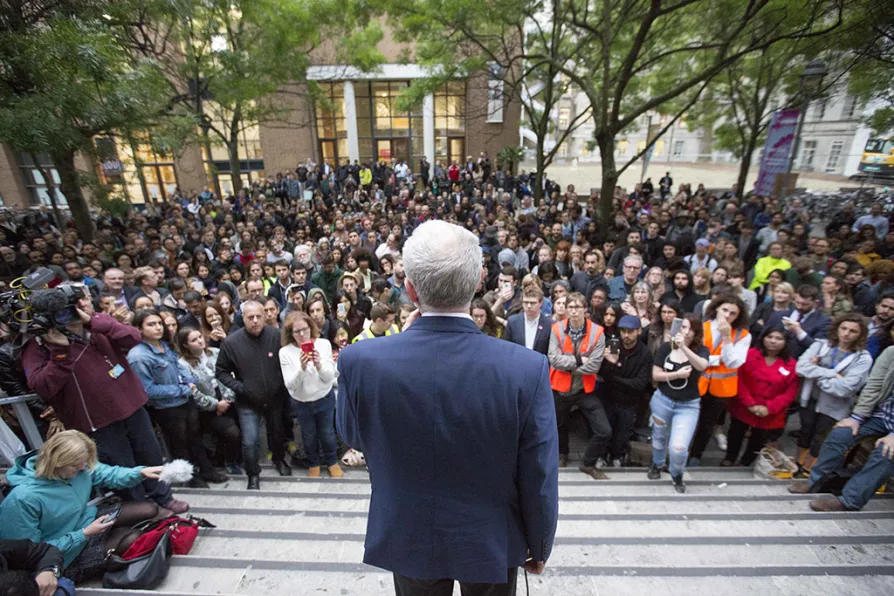



THE torrent of donations to a GoFundMe page to help Jeremy Corbyn with a threatened lawsuit by BBC journalist John Ware is encouraging.
It emphasises how many people remain furious at the way the former Labour leader has been treated in the media — and that the hope for socialist change he inspired has not disappeared but remains widely shared.
On a practical level, assistance in fending off hostile legal action is not to be sniffed at. Ware’s threat to sue would, if successful, markedly damage free expression in this country.
It was issued in response to Corbyn’s statement indicating disappointment at what he rightly called a political decision by Keir Starmer to settle with Ware and former Labour staff who had helped with the Panorama documentary last year.
The Morning Star, among many others, has already indicated our view on the documentary itself — it was not an objective investigation of whether Labour was anti-semitic and it did not disclose the affiliations of interviewees hostile to the Labour leader, which would have given viewers better grounds to judge the weight of their testimony.
But that is not here the point. The threat to sue Corbyn for maintaining his criticisms of the programme’s accuracy is effectively a bid to criminalise public disagreement with Ware’s conclusions.
It is a logical consequence of an approach that, within Labour, has already seen people disciplined or expelled for disputing the guilt of other people: one that is alive and well, as we saw when shadow Wales secretary Nia Griffith claimed party members who expressed support for Rebecca Long Bailey after her sacking were guilty of anti-semitism.
But it takes it further, beyond internal Labour procedures to the law itself. Stopping this mission creep is worth every penny.
Even more important, though, is that socialists take heart from this example of mass solidarity to turn our attention to “building back better,” to steal a phrase from the trade union movement’s campaign for a post-Covid recovery.
The Corbyn project was a huge upsurge for socialist politics. It drew hundreds of thousands of people in, and at its height won millions of extra votes for Labour. It put public ownership, economic planning and the crucial role of both to addressing climate change on the agenda, after decades in which they had been largely ignored.
It built on advances made by mass campaigns such as the Stop the War Coalition to start questioning a long-established cross-party foreign policy consensus that ties Britain into a junior role in an aggressive US-led military alliance — a consensus that is sadly being rapidly reconstructed despite the catastrophic consequences of the wars on Afghanistan, Iraq and Libya and the funding and arming of motley terrorist organisations across the Middle East whenever it suits the immediate aims of the Pentagon.
It lost the last election badly and the subsequent Labour leadership contest too. Starmer is rolling back the socialist policies won over five years in the party at quite a pace, but socialists should recognise both that there are more of us than there were five years ago and that the policies Labour stood for in two manifestos retain significant popular appeal.
That should inform a fightback — one which certainly involves resisting Labour’s lurch to the right, but one which also looks to the areas where the Corbyn project was weak, where it failed to cut through. Labour figures like Ian Lavery, Laura Smith and Jon Trickett are addressing important questions on rebuilding in communities long neglected by the party.
But whether it takes party political form or not, the priority should be to organise, as workers and as members of communities, to resist the gathering storm of job losses, pay cuts and renewed austerity — and in the process build a labour movement with far stronger roots in the people, that can win for workers whether or not it has friends in Parliament.


BEN CHACKO says in different ways, the centenary of the General Strike and that of Fidel Castro’s birth point to priority tasks for the British left in the coming year
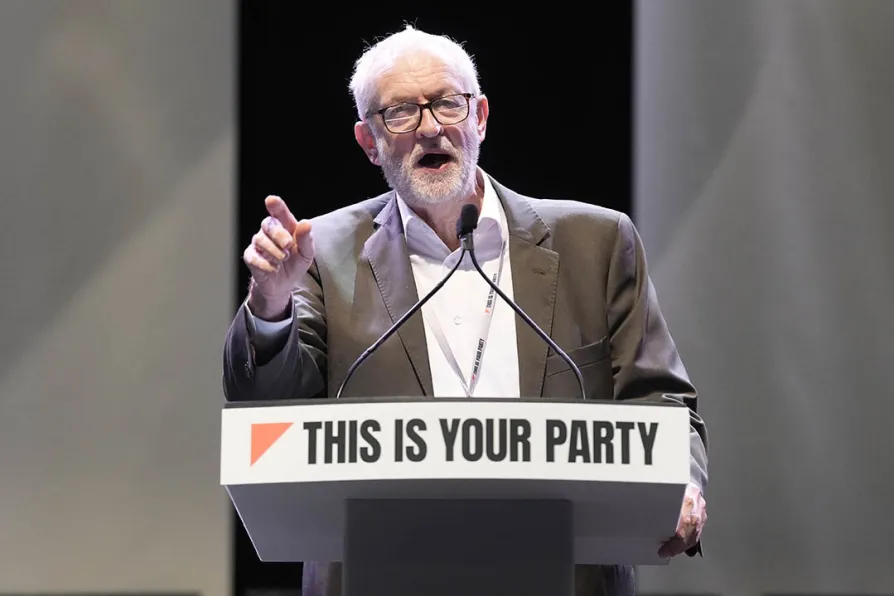
Your Party can become an antidote to Reform UK – but only by rooting itself in communities up and down the country, says CLAUDIA WEBBE

With ‘Your Party’ holding its founding conference in Liverpool this weekend, JEREMY CORBYN speaks to Morning Star editor Ben Chacko about its potential, its priorities — and a few of its controversies too
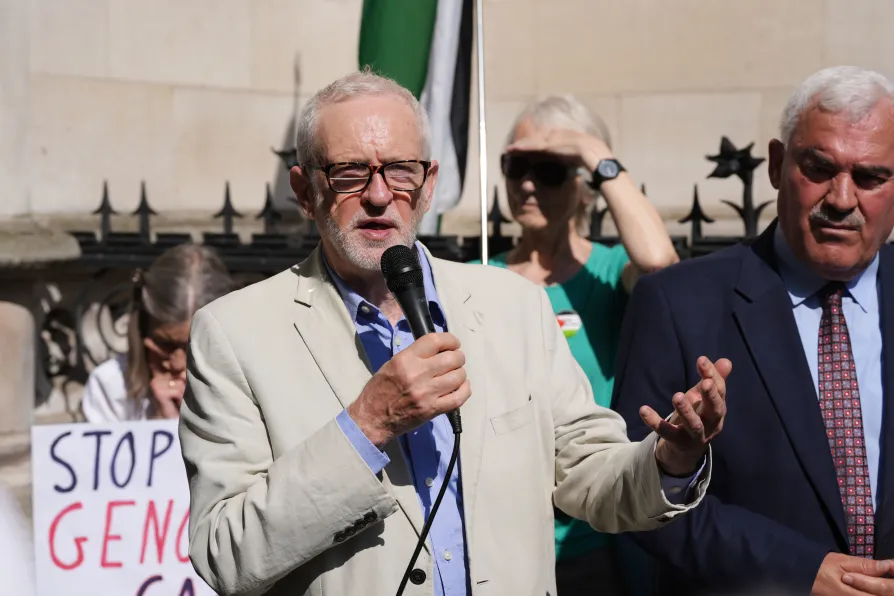
While Reform poses as a workers’ party, a credible left alternative rooted in working-class communities would expose their sham — and Corbyn’s stature will be crucial to its appeal, argues CHELLEY RYAN