Latest editorial
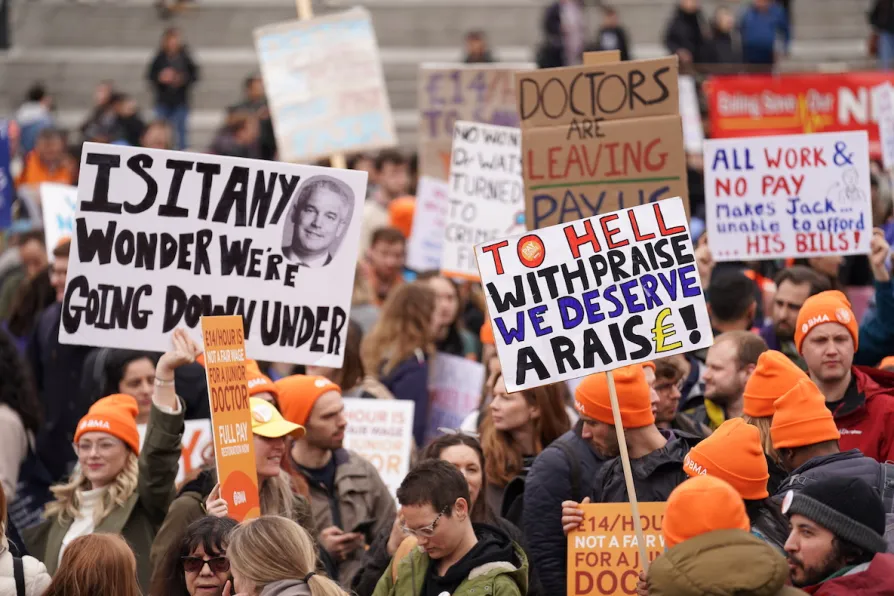 People gather in Trafalgar Square, London, ahead of a rally in support of striking NHS junior doctors, as the British Medical Association holds a 96-hour walkout in a dispute over pay. Picture date: Tuesday April 11, 2023.


THE four-day strike by junior doctors this week marks the longest national strike in NHS history.
Though members of other health unions are voting on an improved — though still below-inflation — pay award following successful strike action, the doctors’ walkout shows we are a long way from industrial peace in the NHS.
And with good reason. The strike wave that has rocked Britain over the past year has naturally focused on pay above all else.
A cost-of-profiteering crisis driving runaway inflation has compelled workers to stand up or stomach a sharp drop in spending power.
But in sector after sector it has also been about the future of the service workers provide.
Posties are confronting bosses at privatised Royal Mail intent on transforming a universal postal service into a gig-economy parcel courier. Rail workers know the government is happy to cull jobs and fill the pockets of dysfunctional private operators because it isn’t interested in a modern, efficient or safe public transport network.
But nowhere is the question posed more painfully than in the NHS. Queues of ambulances unable to discharge patients to overflowing hospitals, horrific accounts of frail, seriously ill people stuck for hours on trolleys in corridors, a waiting list for treatment that has hit seven million: all point to a service struggling to deliver its core functions.
The strike by junior doctors — the term is misleading, since doctors are bracketed as such for an average 10 years after qualification — raises issues that should trouble anyone concerned for our NHS’s future.
Ministers are quick to dismiss the headline 35 per cent pay claim as unrealistic. But the British Medical Association (BMA’s) retort that junior doctors have lost 26 per cent of their income in real terms since 2008 is pertinent.
Across the workforce, from teachers to nurses, we are looking at similar losses in real income. Workers who “refuse to be poor any more” have every right to aim higher than slowing down the rate of impoverishment — and look to claw back the income lost over years of pay “restraint.”
Junior doctors’ incomes have been under attack for years, with contract changes forced through by Jeremy Hunt in 2015-16 prompting the BMA’s involvement in the first general NHS strike in 40 years.
As with nursing, low pay leads to staff leaving, which creates shortages, which increase workloads. Hospitals turn to agencies to make up shifts: and private healthcare providers offer significantly higher pay.
NHS Scotland chiefs talked before Christmas of a “two-tier” health system, perhaps segregated by means-testing.
The suggestion rightly provoked outrage. Yet such a tiered system is already coming into effect. So long are delays for treatment on the NHS that demand for private treatment is rising fast — among those who can afford it.
A huge poaching operation is under way across the health sector, with NHS doctors being offered cash bonuses of up to £5,000 to recruit colleagues to undertake private work. This further reduces NHS capacity; the gaps are plugged by the private sector, costing the NHS more and demoralising staff that remain. Last year a third of junior doctors said they planned to leave the NHS within 12 months.
Labour is as keen as the Tories on commissioning the private sector to cut waiting lists: but this continues the vicious cycle. Private healthcare is parasitical on the NHS. It is sickening it.
Breaking this cycle means properly funding our NHS and properly paying its staff.
We spend a fifth less per head on healthcare in Britain than France does, and are even further behind Germany. The NHS is not a dinosaur that cannot adapt to the modern world as crooked politicians with fingers in the privatised healthcare pie like to assure us.
It is a service which has been deliberately run down. Doctors on strike this week are right to alert the public to that fact.

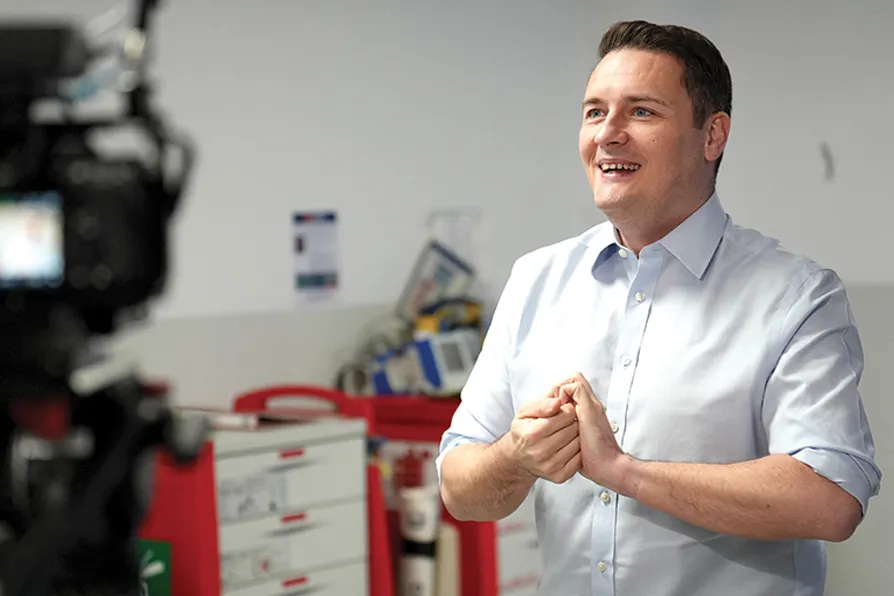
In the second part of her critique of Wes Streeting’s TenYear Plan for Health, HELEN MERCER looks at the central planks of this privatisation blueprint


We need a massive change in direction to renew a crumbling health service — that’s why Plaid Cymru has an ambitious plan to recentre primary care by recruiting 500 additional GPs and opening six new elective care hubs across Wales, writes MABON AP GWYNFOR