

 Latest editorial
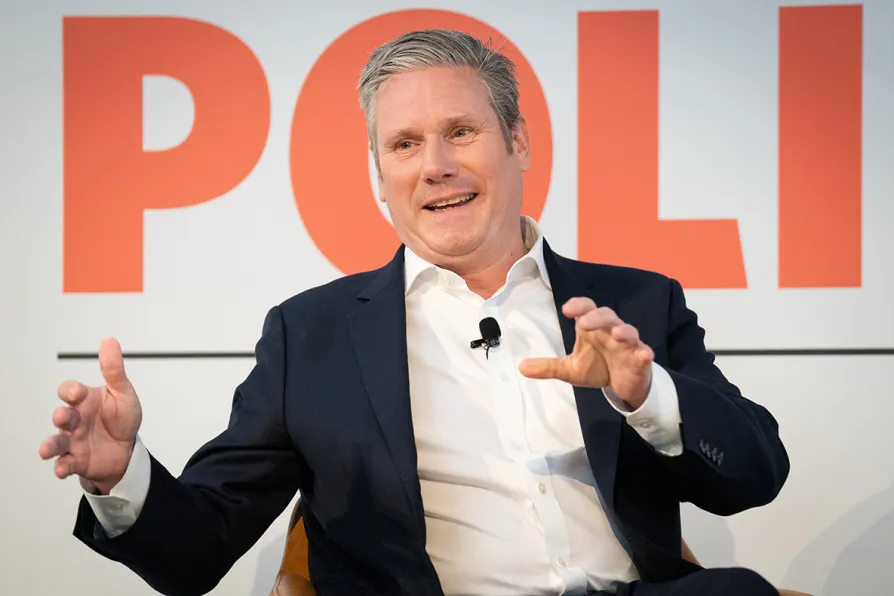 Labour leader Sir Keir Starmer takes part in a question and answer session with New Statesman deputy political editor Rachel Wearmouth, at London County Hall, June 27, 2023


LABOUR MP Jon Cruddas’s attack on the “witch-hunt” by the “right-wing, illiberal faction” around Keir Starmer is sharper and clearer than previous MPs’ protests at the leader’s conduct.
Cruddas speaks out in defence of Neal Lawson, head of the pressure group Compass, who shared his threatened expulsion with the Guardian last week.
Not everyone on the left has jumped to Lawson’s defence. Compass is not a socialist group, and some ask why they should extend solidarity to wings of the party that have watched the hounding of the left in silence.
Nor is Lawson’s political rationale — that Labour should seek a “progressive alliance” with the Lib Dems against the Tories — one the Morning Star sees much merit in.
The Lib Dems are a party of the right: they demonstrated their enthusiasm for brutal cuts and the privatisation of Royal Mail when in coalition with the Tories. The best that could be said for such an alliance now is that on Labour’s current form they could hardly make it worse.
Even so, Cruddas’s intervention is welcome. The whole labour movement and many even in the right-wing dominated Parliamentary Labour Party need to wake up to the scale of what is happening.
The Dagenham and Rainham MP warns that the leadership “are settling scores and are clearly embarked on a witch-hunt — not just of the Corbynite left but of mainstream democrats.”
We can object to the implication that a purge of socialists is less serious than one of “mainstream democrats” while agreeing that the extreme intolerance of the Starmer gang is something new, and ominous.
It is reflected in the policy about-turns that increasingly make Labour indistinguishable from the Tories. Starmer has not just betrayed the 10 pledges he made when running for leader, backing policies such as public ownership of mail, rail, energy and water: his team have since ditched most of their own commitments, from the Green Prosperity Plan to restoring the Department for International Development.
Take any of the main crises facing Britain today — the water sewage scandal, inflation, falling pay, a collapsing NHS, draconian new policing laws, war in Ukraine — and try to explain how Labour policy differs from that of the Tories. It’s not easy.
Labour’s refusal to commit even to moderate change is the policy expression of a leadership that views not just socialists, but social democrats and even liberals as dangerous.
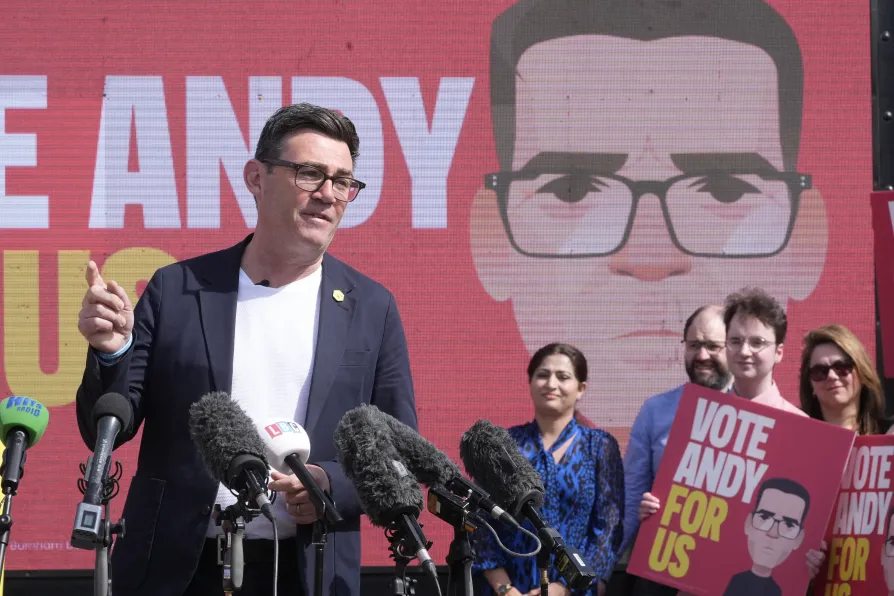
The “settling scores” element — notable in party HQ’s hostile briefing operation complained of by the likes of Greater Manchester Mayor Andy Burnham or even shadow home secretary Yvette Cooper — may reflect the malign influence of Peter Mandelson on the leadership, and a decades-old set of grudges against people seen as more loyal to Gordon Brown than Tony Blair.
Starmer has declined to distance himself from Mandelson even following Financial Times revelations about the latter’s close relationship with paedophile financier Jeffrey Epstein.
But in a context of attacks on democratic rights, the impact is to further chill debate and narrow the bounds of the politically acceptable until any challenge to the status quo is ruled out.
Following the uproar across the trade unions over Labour’s bid to block North of Tyne Mayor Jamie Driscoll from standing for the enlarged North East mayoralty, Cruddas’s intervention presents an opportunity.
No union wants a Labour Party that won’t even consider union-backed candidates for public office. Many MPs must be uncomfortable with a leadership that can block sitting MPs from standing again on the flimsiest grounds and by shameless fixing of selection processes.
It is time for a bolder challenge to a leader’s office that daily shows contempt for Labour’s traditions, affiliates, procedures and members.
If unions and MPs that are not seen as left-wing can be won to a battle for democratic principle that is in their interests too, we should not hesitate to reach out.

Meanwhile, incoming PM Andy Burnham dithers over who should be his Chancellor

The Carpathia isn’t coming to rescue this government still swimming in the mire, writes LINDA PENTZ GUNTER