

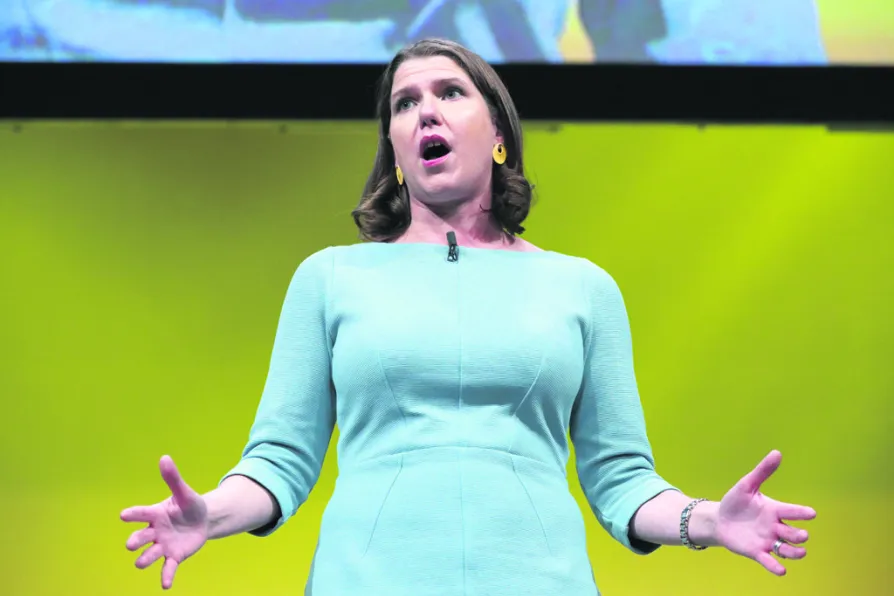
 Lib Dem leader Jo Swinson
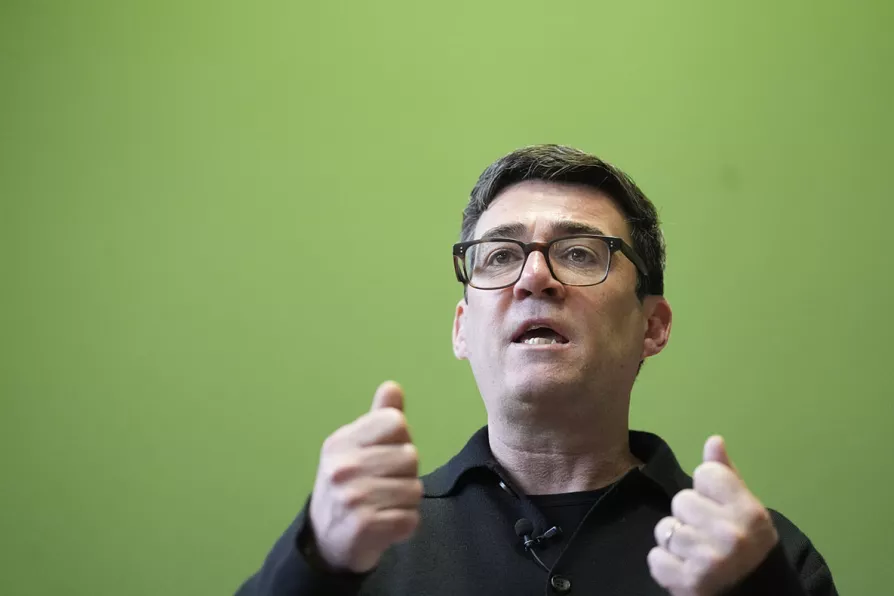


MOMENTUM’S apt description of the Liberal Democrats as a party that has “learnt nothing” echoes French diplomat Talleyrand’s observation on aristocrats who thought they could turn the clock back to the days before the revolution.
And for all Jo Swinson might counterpose herself to Labour’s Jeremy Corbyn and the Tories’ Boris Johnson as a champion of an “open, inclusive and fair” society, even her language smacks of the vacuous pieties of Tony Blair or David Cameron before Corbyn and Brexit, in their different ways, brought politics back to Britain with a vengeance.
Even the Guardian, which has done so much to promote the idea of a Lib Dem revival, recognised in an editorial this week that “the Lib Dems still have no distinctive pitch for issues beyond leaving the EU.”
The supremacy of their “stop Brexit” fixation over any concern for being “open, inclusive and fair” was made clear by Swinson’s welcome of Tories such as Sam Gyimah, who famously filibustered the so-called Turing Bill posthumously pardoning people convicted of homosexuality, or Philip Lee, who abstained on same-sex marriage.
Unlike Labour, the Lib Dems have no serious plans to make Britain fairer: Swinson has refused to express regret over her party’s role in a brutal austerity programme that, according to the Institute for Public Policy Research, caused over 130,000 deaths.
Her jibes about a “magic money tree” show she still peddles the Tory lie that “austerity” was a necessity following the 2008 bankers’ crash, rather than a cynical and ruthless drive to transfer wealth from the poorest to the richest.
The Lib Dems are indeed a “turn-the-clock-back” party, one whose new policy of simply revoking Article 50 and cancelling the result of the biggest vote in our history shows a dangerous indifference to both the morality and the consequences of overruling the public in this way.
They show no understanding that people voting against a grotesquely unequal economic set-up might be making an informed choice to do so.
North Devon candidate Kirsten Johnson said in a widely mocked Radio 4 interview that voters in the constituency “being low-income, [haven’t] appreciated [the] advantages of being in the European Union.”
Not that, being poor, they voted against the system that had impoverished them — but that being poor, they didn’t “get it.”
These limitations stand in stark contrast to a Labour Party with radical plans to reshape our country and address injustices and economic dogmas that have led it into profound crisis.
But that does not mean the Liberal Democrats do not pose a threat. “Back to Blair” (or Cameron) nostalgia is not only a Lib Dem phenomenon.
It has its advocates in the Conservative and Labour parties — hence the trickle of defections from them to the party.
It wields enormous power in Parliament, and has played a significant role in driving Labour’s leadership away from an initial straightforward acceptance of the referendum result to a policy that seeks to subvert it.
And as the 2016 vote showed, the population is deeply split on the question of EU membership. The election the next year showed that it is possible for a clear socialist message to cut across that divide and unite working-class people in a movement for radical change.
But the advocates of “culture war” have had the best of politics since, threatening Labour with a pincer movement like that which has in Scotland seen the rival identities of nationalism and unionism shunt real debate about who owns and controls our society to the back burner.
Labour will demonstrate at its conference this coming week how much more it has to say on the challenges facing our country than any other party.
But it too must avoid being sucked into a narrow association with Remain, the status quo and the past if it is to win power and deliver its ambitious programme.

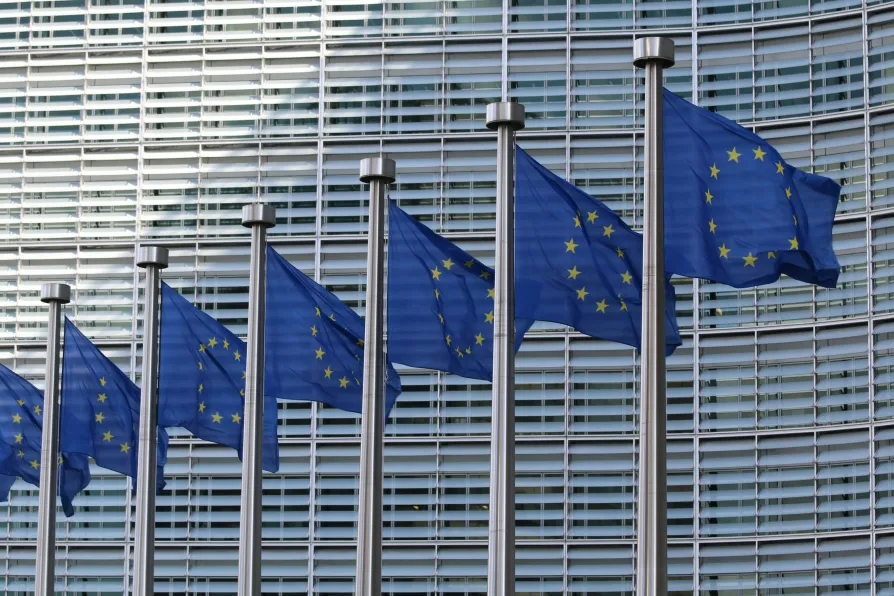
Starmer sabotaged Labour with his second referendum campaign, mobilising a liberal backlash that sincerely felt progressive ideals were at stake — but the EU was then and is now an entity Britain should have nothing to do with, explains NICK WRIGHT
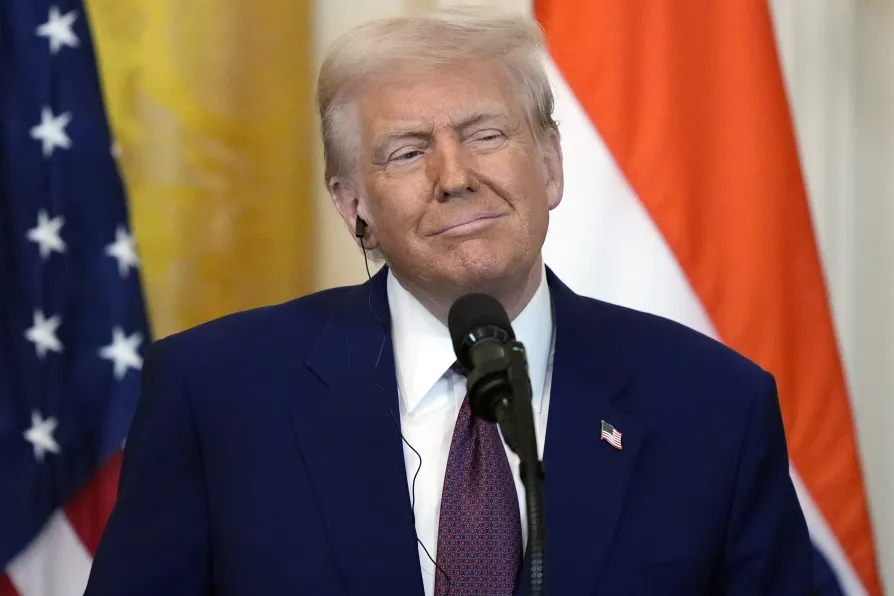

Deep disillusionment with the Westminster cross-party consensus means rupture with the status quo is on the cards – bringing not only opportunities but also dangers, says NICK WRIGHT
While Spode quit politics after inheriting an earldom, Farage combines MP duties with selling columns, gin, and even video messages — proving reality produces more shameless characters than PG Wodehouse imagined, writes STEPHEN ARNELL