

 Latest editorial
 Brexit protesters opposite the Houses of Parliament last week



THE Conservative Party is the reliable instrument of Britain’s capitalist class or it is nothing.
For generations Tories concocted a winning combination of imperial sentiment, deference, municipal innovation, everyday patriotism, kitchen table economics and raw class power that gave it a powerful grip on government.
Not just the formal instruments of government — a Commons majority, a phalanx of hereditary and appointed peers, an unwritten constitution that channelled politics into ritual — but a network of personal connections that linked legislature, Civil Service, the military and intelligence establishment, royalty, banking, industry and the intellectual elite.
The Conservative Party in the country was a vast organisation that mobilised the social connections and family traditions of the landed classes big and small, the commercial middle classes, the professions and a privileged section of workers and functionaries in a web of deference and duty.
It embodied the historic fusion of the landed gentry and aristocratic landowners with the rising and risen class of manufacturers, imperial merchant adventurers and the commercial and banking bourgeoise.
It was the voice of social forces that anchored it firmly in the fabric of the nation. That it excluded and antagonised an even more vast assembly of labourers, women and men of no property was not a problem until world war and revolution abroad compelled the extension of the vote.
With each such extension the Conservative Party was compelled to refashion its appeal. One way of looking at Thatcher’s regime is to see the dispersal of social property in the form of privatised utility shares and public housing sales as a bid to incorporate a section of working people into sustaining the myth of a “property owning democracy.”
More than a generation on these assets are held by big shareholders and landlords. Sid has cashed in his British Gas shares and his kids have nowhere affordable to live.
More than a generation on the Tory Party is transformed into a shadow of itself. The actually existing Tory Party has a vestigial existence in many places, a limited reach into rural shires, a veneer in the big commercial and banking centres, barely a living member in working-class areas and real social power only in the upper reaches of the commercial petty bourgeoise, among business people, lawyers, finance sector professionals, speculators, estate agents and farmers and landowners.
Capital is now globalised, the British elite now incorporates a cosmopolitan mix of transatlantic wealth and Middle Eastern money, spiced up with the international jet set and easily incorporating gangster capitalists from the former socialist countries. The financialisation of the economy has severed the social roots of the ruling class just as its intellectual credibility and reach into the professional middle classes has eroded.
The big monopolies, the City and the CBI want one thing. A sizeable section of domestic capital, much of its situated in the regions — and a predatory pool of hedge funds — favour something else.
The world of Cameron and Osborne has been eclipsed and this new Tory regime is fronted by a chancer who is just as likely to reach an accommodation with the EU as he is to challenge it.
The main political representatives of our class enemy are divided. Johnson’s “purge” of the Tory benches has outraged Tory grandees. Yet his pitch to the public as the man who has what it takes to sweep aside vested interests has been enhanced by it — a truth reflected in opinion polls that suggest Johnson’s week, marked by chaos and defeats in Parliament, has been a success in electoral terms.
Frustrating Johnson in the Commons is not the same thing as defeating him, especially as “the PM who defied Parliament” is his current outfit of choice. Our movement must take the fight against Johnson into communities – in many of which he sadly has a sympathetic audience.

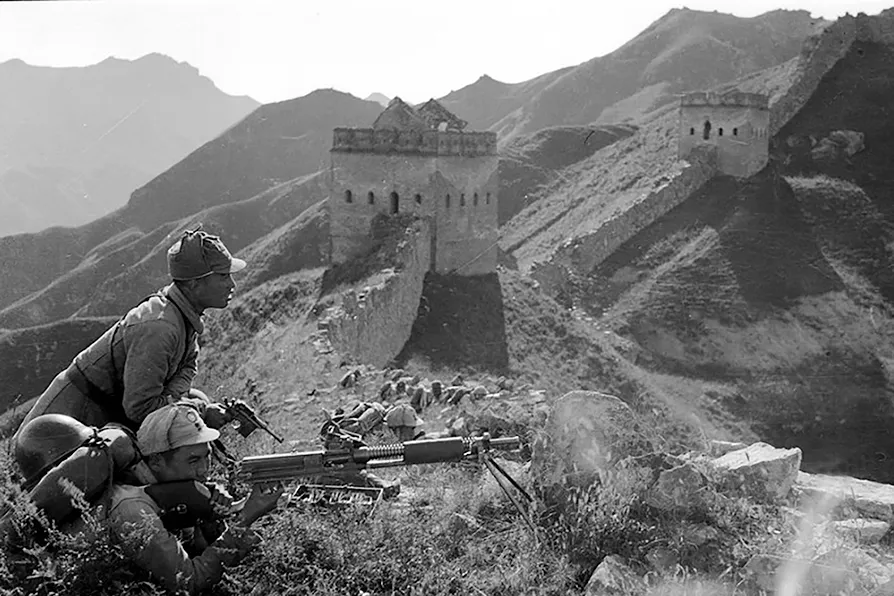
In Part 4 of her look at the Chinese revolution JENNY CLEGG addresses the relationship between the Peasant Movement and the National Movement

Starmer sabotaged Labour with his second referendum campaign, mobilising a liberal backlash that sincerely felt progressive ideals were at stake — but the EU was then and is now an entity Britain should have nothing to do with, explains NICK WRIGHT

Deep disillusionment with the Westminster cross-party consensus means rupture with the status quo is on the cards – bringing not only opportunities but also dangers, says NICK WRIGHT

It would be great to have a better option to vote for in elections, but a coalition of proven working-class organisations built from decades of real struggle offers stronger foundations than patched-together parliamentarianism, writes BILL GREENSHIELDS