

 Latest editorial
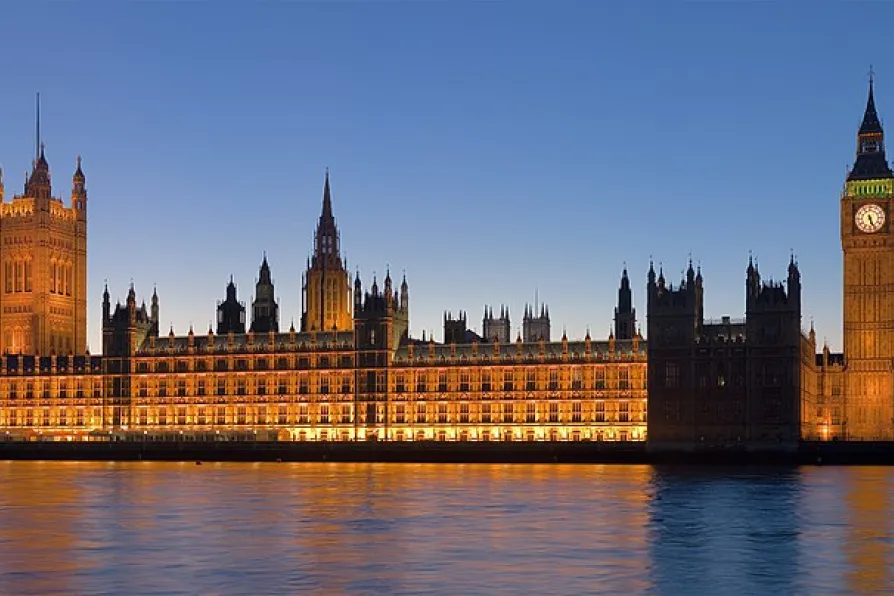 [Diliff/Creative Commons]



AS WE approach the 370th anniversary of the execution of King Charles I it is becoming clear how much our democracy still suffers from the failure to complete the process of transition away from monarchical to parliamentary rule.
That might not be immediately obvious — the Queen has not intervened publicly. But May’s ability to ignore Parliament — with none of last night’s amendments to the PM’s “neutral” motion on facilitating discussion of how to proceed on Brexit binding on the government whether they passed or not — rests greatly on the constitutional fudge that invests sovereignty in “the Crown in Parliament,” enormously empowering executive government.
In ordinary times — that is, when the ruling class is able to pursue “business as usual” and no serious threats to its continued dominance exist — this is hidden by the fact that British governments almost invariably rest on control of Parliament. But the crisis that has engulfed Britain’s ruling class and its institutions has thrown up bizarre, counterintuitive anomalies. The government can be “in contempt of” Parliament, yet somehow simultaneously “retain its confidence”; the Prime Minister can suffer catastrophic defeat in the Commons, yet stay in office and decide herself how and when she wishes to return to the question on which she was defeated.
Labour has therefore concentrated on prising open the contradictions in the Conservatives’ position and inflicting multiple parliamentary defeats on the government with the aim of building pressure for a general election. Despite sniping from the sidelines this remains the only serious approach.
The Prime Minister’s bogus Brexit deal was not narrowly defeated. It was defeated by 230 votes, a record, the biggest ever defeat of a government on the floor of the Commons. The idea that a handful of cosmetic, vague and confusing tweaks, hinted at rather than clearly defined by the government and alternately dismissed or indulged by Brussels, is going to see that deal sail through is far-fetched at best. If May does eventually succeed in forcing it down Parliament’s throat, it will not be because anything like a majority of MPs think it is good for Britain but because they are terrified of seeing Jeremy Corbyn in Downing Street.
If May’s deal is not an option, what are the alternatives? Proposals from some backbench MPs that Parliament could “seize control” of the process and agree a different deal, or at least rule out a no-deal departure, are a fantasy. There is no evidence that a parliamentary majority could be cobbled together for some as yet undefined alternative deal, while no deal is simply the default position if a deal is not agreed — the only way to rule it out is to agree a specific alternative that also receives the blessing of the EU.
Labour’s readiness to support an extension to Article 50, postponing our departure date, doesn’t resolve the crisis. It carries grave risks: many voters will see it as increasing the possibility that the majority vote to leave the EU could be kicked into the long grass or reversed. It could prolong an impasse that sees issues of more immediate importance to ordinary people — soaring homelessness, crime, poverty and insecurity — sidelined by Parliament and the media. But whether such an outcome occurs or not, the party needs to work on breaking the parliamentary deadlock from outside.
All the current back and forth demonstrates is that British government is paralysed. There is a stalemate between Parliament and Prime Minister that cannot be resolved with the current set of players. A general election is the only way forward, and the labour movement needs to look at changing the current formal demand for one into real pressure on the streets and at constituency level directed at that goal.

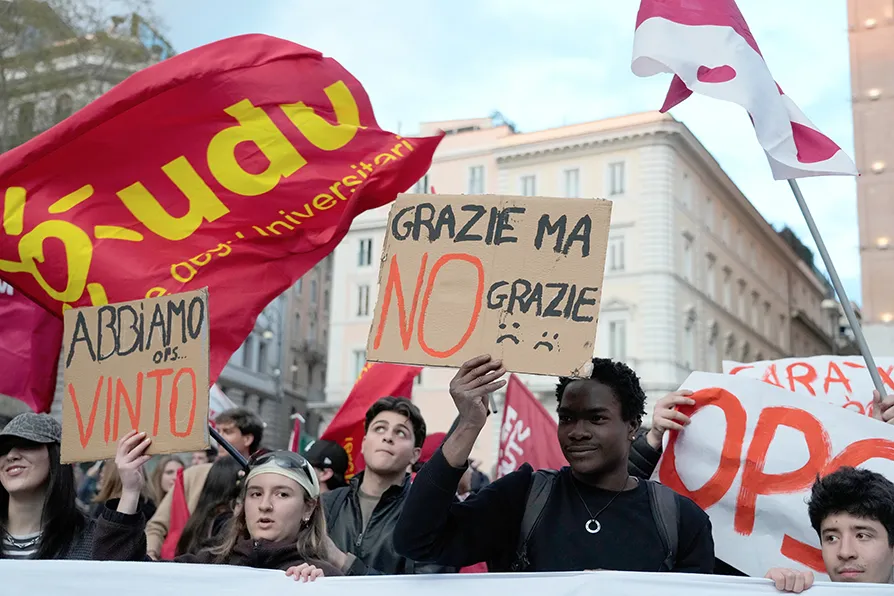
Italians reject controversial judiciary reforms in a referendum that boosts the left, reports NICK WRIGHT
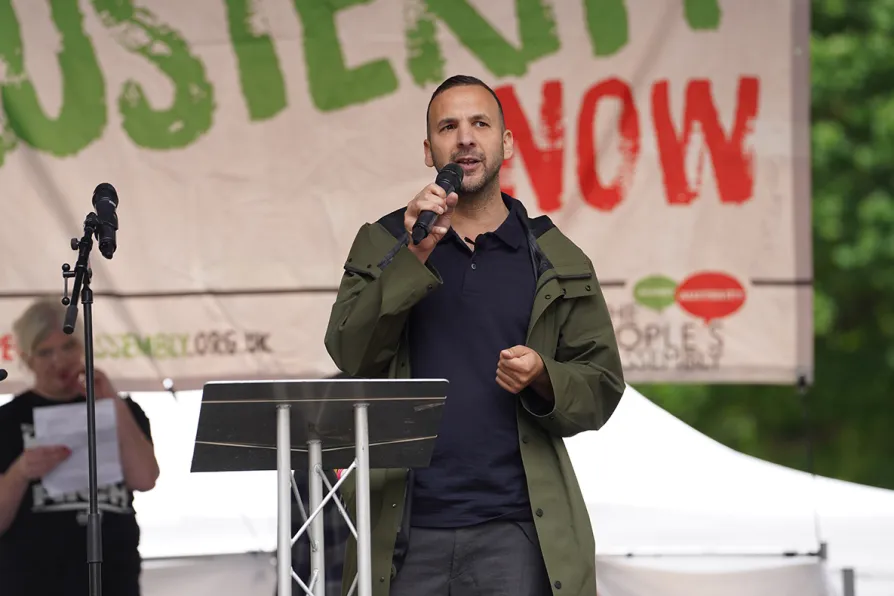
Sixty Red-Green seats in a hung parliament could force Labour to choose between the death of centrism or accommodation with the left — but only if enough of us join the Greens by July 31 and support Zack Polanski’s leadership, writes JAMES MEADWAY

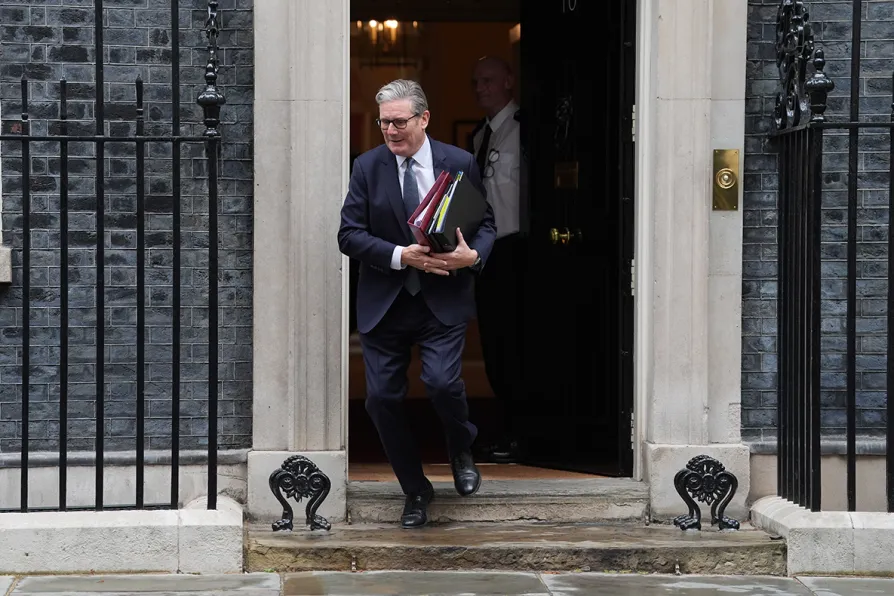
From Gaza complicity to welfare cuts chaos, Starmer’s baggage accumulates, and voters will indeed find ‘somewhere else’ to go — to the Greens, nationalists, Lib Dems, Reform UK or a new, working-class left party, writes NICK WRIGHT