

 Latest editorial


THERE is nothing our propertied classes like more than a deregulated market. The guiding principle of the neoliberal counter-movement in economics which gained ascendancy in the late 20th century is that state regulation is an unnecessary burden on the entrepreneurial spirit that hinders economic growth and competition.
Of course, the regulatory framework in capitalist economies — structures built up over a century to maintain some kind of order — cannot vanish of their own accord.
Thus a powerful intervention by the state itself is necessary. The perfect example of a highly active state intervening to deregulate was the 1973 coup in Chile.
The ubiquitous image of Mrs Thatcher holding hands with the military despot Pinochet — the Pentagon asset who drowned the Chilean working class in a sea of blood — reminds us of this sordid meeting of minds.
We may be seeing the same process underway in Bolivia.
In the ideal neoliberal world we are all free actors in which competition in the marketplace is the best environment to realise optimum outcomes. The theory is that competition drives down prices.
Clearly competition can. In a market where the supply of labour exceeds demand, the clear tendency is for the price of labour — wages — to go down. Thus building employers are complaining that a reduction in the supply of migrant labour since the Brexit vote has had a regrettable tendency for building workers’ wages to go up and eat into their profits.
The Morning Star readership, more than any other, knows that because the daily experience of workers provides powerful instruction. In classical economic theory, they naturally combine to increase their market leverage.
The owners of the privatised Royal Mail, best thought of as the grateful beneficiaries of Thatcher’s policies, understand that the more powerful the Communications Workers Union becomes the smaller will be the proportion of unpaid wages that come their way in the form of profits.
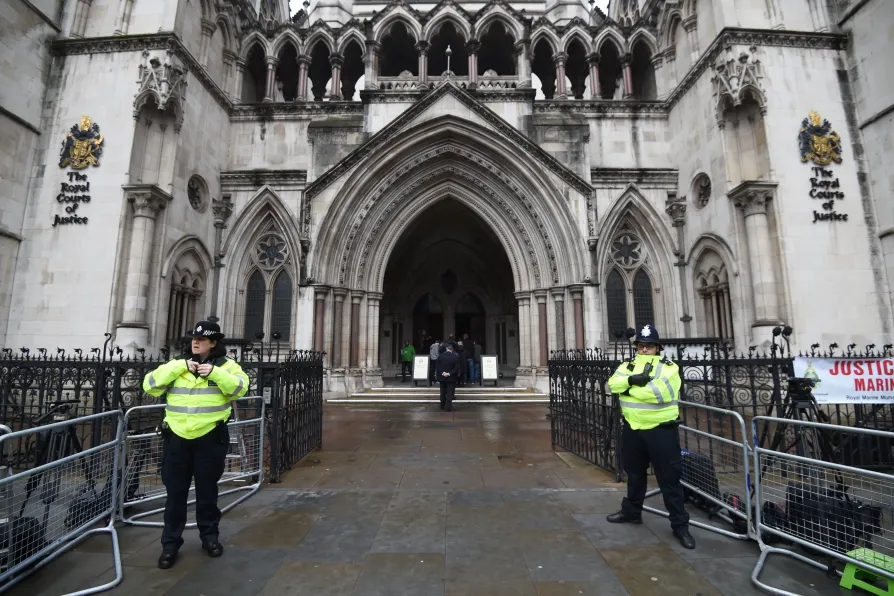
So, with a gleeful abandonment of free-market theories, they have ditched their disdain for deregulation and have asked the courts to rule the proposed CWU strike illegal because, they allege, various provisions of the 2016 Trade Union Act have been breached.
Two groups of workers — Royal Mail and Parcelforce — voted 94.4 and 95 per cent in favour of strike action. It is hard to see how any of the “potential irregularities” supposedly breaching the stringent regulations which govern industrial action ballots can have affected the result.
What worries the employers is the size of the strike majority and the strong demonstration of class consciousness and collective will which surrounded the ballot.
Horror of horrors, they claim workers were encouraged to vote Yes, encouraged to do so in groups, to open their ballot papers on site, mark them as Yes with workmates present and filming or photographing them doing so, before posting their ballots together.
Decades ago Labour undertook to repeal the raft of Tory anti-working class trade union legislation which is designed to tie up workers in a tangle of rules and regulations.
New Labour under Blair and Brown left most of it in place and the Tories and Lib Dems made it even more restrictive.
The time has come to junk these laws and replace them with a regulatory framework which protects workers’ rights.
Restoring public utilities like water, gas, electricity, public transport and the postal service to public ownership will not only deprive the privatisers of a revenue stream drawn from the well of our common property.
It will — alongside Labour’s plans “to put power in the hands of workers” — transform the industrial relations climate.



Four decades on, the Wapping dispute stands as both a heroic act of resistance and a decisive moment in the long campaign to break trade union power. Lord JOHN HENDY KC looks back on the events of 1986
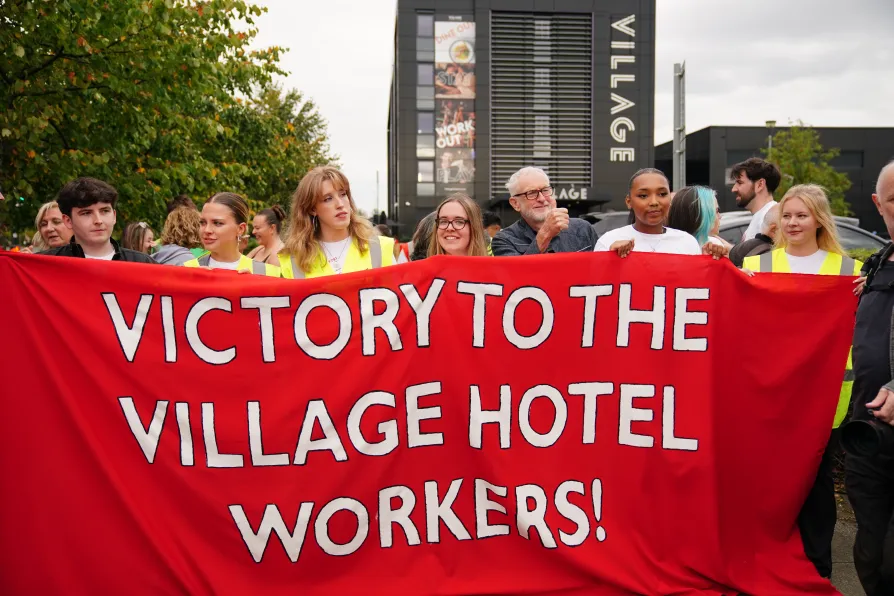
NICK TROY lauds the young staff at a hotel chain and cinema giant who are ready to take on the bosses for their rights

Deep disillusionment with the Westminster cross-party consensus means rupture with the status quo is on the cards – bringing not only opportunities but also dangers, says NICK WRIGHT