


 Labour leader Sir Keir Starmer with students during a visit to St Columb's College in Derry, Northern Ireland, March 3, 2023



ELECTORAL reform groups warned this week that up to 10 million voters could be disenfranchised tomorrow because they aren’t aware of new photo-ID requirements.
A survey found the highest proportions unaware of the new rules are among young people and ethnic minorities.
Could the predicted fall in the youth vote be why Keir Starmer feels confident breaking his promise to abolish tuition fees, among the last pledges standing from his notorious leadership campaign?
It would seem electorally risky territory. The reneged commitment to abolish tuition fees became the signature betrayal of the Liberal Democrats in the 2010-15 coalition government, leading to an electoral collapse for that party that it has yet to recover from (there are just 14 Lib Dem MPs today, compared to 57 then).
But then, an electoral strategy based on the collapse of the Tory vote alone has little regard for young voters’ preferences.
The cost-of-living crisis will deliver Labour gains, the party calculates — probably rightly, though given its opposition to inflation-proofed pay rises, refusal to consider public ownership of key utilities to bring down bills and indifference to crippling expenses trapping young people in decades of debt such as tuition fees, Labour appears to be working hard to assure as many people as it can that they have nothing to gain from it forming a government.
Labour has abandoned so much of the popular policy platform Starmer vowed to uphold when he ran for leader that the tuition fee U-turn does not surprise.
Turning its back on the young has a symbolic significance though. Young people were the age demographic most important to the Corbyn surge of 2015-17.
Hundreds of thousands of them flocked to join a political movement that promised a different kind of society.
Labour’s biggest vote increase in 70 years was won in 2017, with the youth vote key to that advance. Labour led the Tories among all voters under 44, with the lead rising the younger they got, pushing 60 per cent of 18-24-year-olds. The youth vote also rose absolutely, with the number of 18-24-year-olds voting up 16 per cent on 2015’s figure.
Why go over this old ground? Because it demonstrated a generation often written off as apathetic could make a difference politically.
Labour calculates it can do without these voters. Its contempt for them is expressed not just on tuition fees, but in support for injunctions and arrests to suppress climate change protests, another cause most strongly supported by the young.
Ageist readings of politics are misleading. Misguided liberal left laments that the “boomer” generation consists of comfortable home-owning beneficiaries of a social-democratic golden age ignore widespread pensioner poverty (especially fuel poverty), an extortionate and exploitative social care system that hurts the elderly the most and the class nature of attacks on our incomes and public services — including pensions.
But a political system that sees no point in appealing to the young is bankrupt. It’s an admission that Establishment politics has nothing to offer but shrinking horizons, the hopeless mantra that tomorrow will be worse than today.
That gloomy prospectus is only inevitable within the prison of the political status quo, in which Starmer can dismiss public spending commitments as unaffordable at a time of record corporate profits.
While millions will prioritise giving the Tories a bloody nose in the local elections, and that will often mean voting Labour, there are areas where Labour councils’ behaviour has hardly merited working-class support — and where serious socialist challengers, including Communist Party candidates, are offering the real change absent from Labour’s offer.
If such challenges put Labour on the spot over its attitude to strikes and cuts, so much the better. However the party does tomorrow, every Labour councillor should be serving the labour movement — or feeling the heat for not doing so.

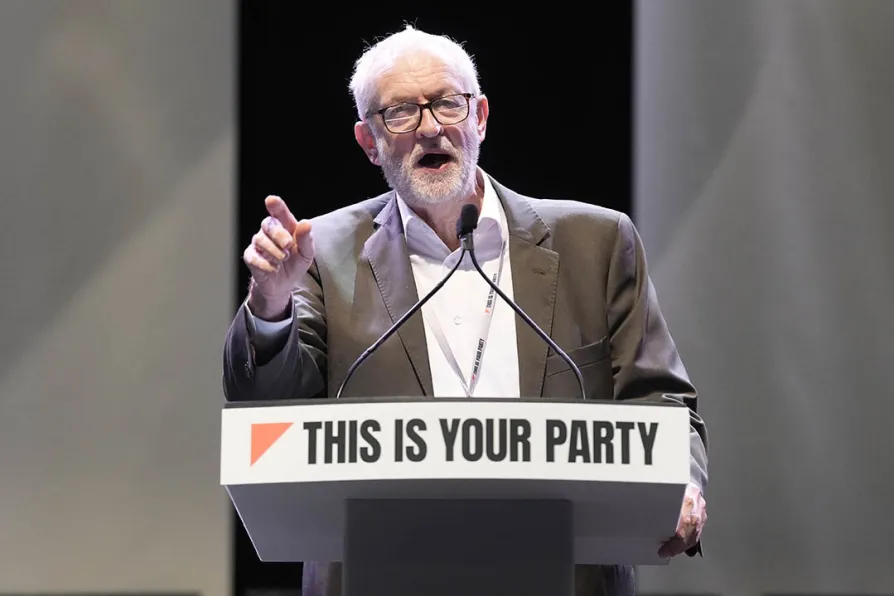
Your Party can become an antidote to Reform UK – but only by rooting itself in communities up and down the country, says CLAUDIA WEBBE

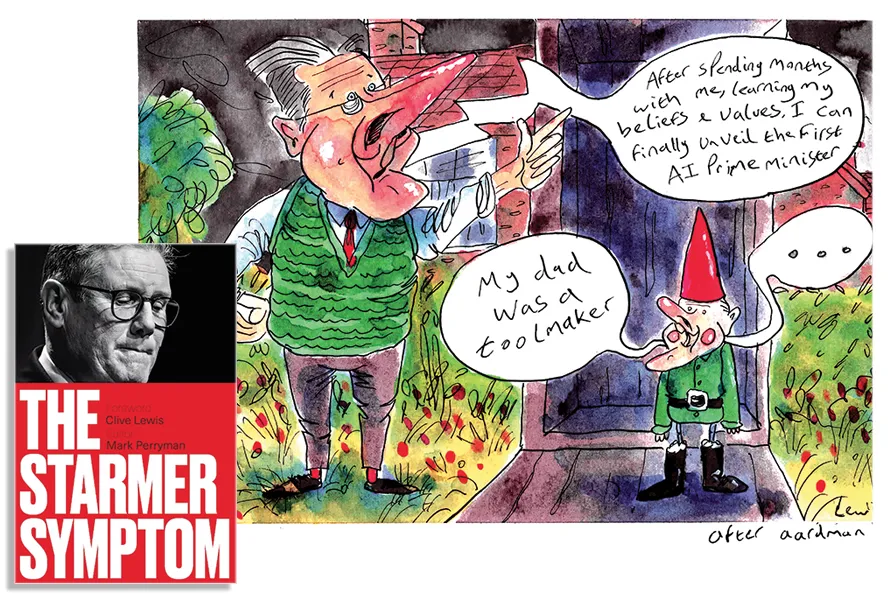
ANDREW MURRAY recommends a volume of essays that nail the visionless, racist and neoliberal character of policy under Starmer’s Labour Party
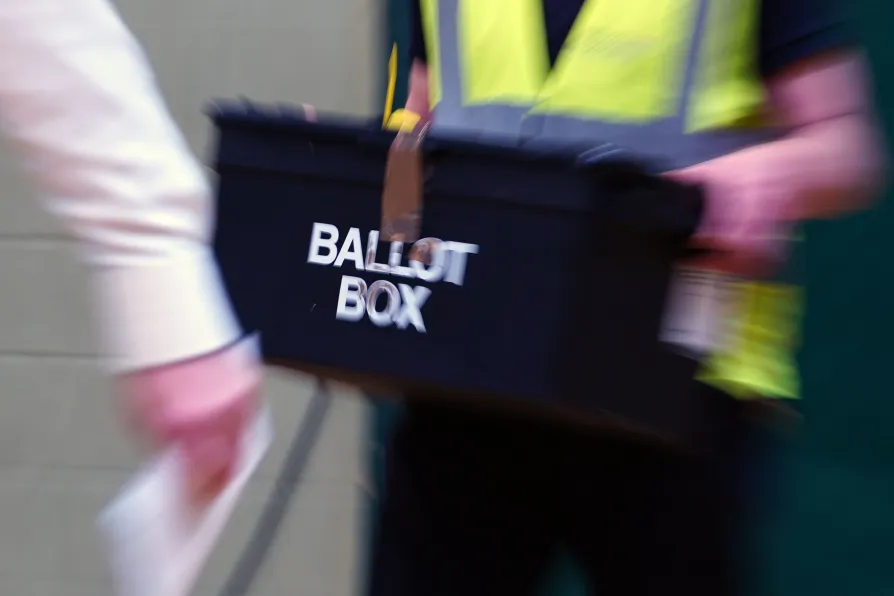
In the run-up to the Communist Party congress in November ROB GRIFFITHS outlines a few ideas regarding its participation in the elections of May 2026