

 Latest editorial
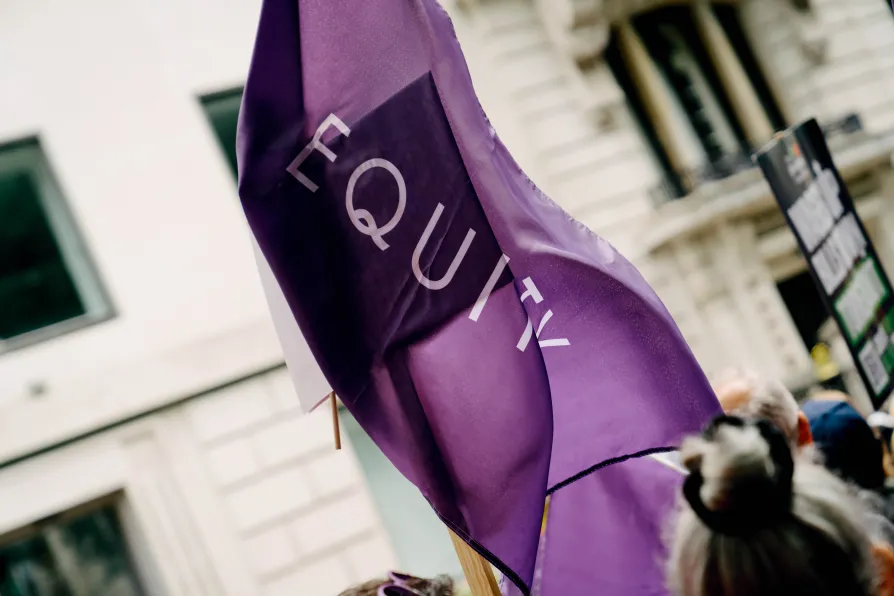 Photo: Equity


EQUITY members in Wales voted today for a major new agreement setting minimum rates of pay, terms and conditions for performers working on productions commissioned for Welsh language broadcaster S4C.
The actors’ union negotiated a new agreement with Teledwyr Annibynnol Cymru (TAC) — the trade body for the independent TV production sector in Wales.
Equity Wales’s Simon Curtis said: “This agreement represents a significant step forward for performers working across Welsh television production and demonstrates the vital role collective bargaining has to play in shaping the future of AI in the creative industries.”
The union claimed the deal represented a significant modernisation of the agreement with the trade body.
The agreement was approved by Equity members by a 100 per cent vote in favour of adopting the new terms, which will remain in force until December 31 2027.
Equity said the agreement includes what it believed to be one of the first collective agreements of its kind in Britain to establish specific protections governing the use of artificial intelligence in television production.
The new AI provisions clarify that performers’ voices, likenesses and performances cannot be digitally recreated, reused or exploited without prior informed consent and appropriate contractual safeguards.
“Performers and creative workers cannot accept a future where their voices, images and performances are scraped, replicated and monetised without their knowledge, consent or remuneration,” Mr Curtis said.
“This agreement establishes an important principle: technology should support and enhance human creativity, not replace or exploit it.
The agreement also delivers a 7.5 per cent increase in minimum fees, implemented from July 2025.
