HENRY FOWLER, assistant general secretary of the General Federation of Trade Unions (GFTU), reports on Day 2 from the GFTU’s residential Summer School at the Workers’ Retreat, Quorn Grange Hotel


 Latest editorial
Climate change is a class issue
The left is at the heart of pushing alternatives to environmental destruction, writes RICHARD BURGON MP

Assistant general secretary of the General Federation of Trade Unions HENRY FOWLER reports on day 1 from the GFTU’s residential Summer School at Quorn Grange Hotel
MPs and others called for the urgent release of tortured Palestinian doctor, Hussam Abu Safiya, held hostage by Israel and reportedly near death, reports LINDA PENTZ GUNTER
Strike Map co-founder HENRY FOWLER discusses the significance of today’s joint union letter to video game giant Rockstar, demanding trade union recognition for its workers. Their conversation highlights how our movement can harness its collective power to rebuild union power across the private sector
Capitalism has exploited — and polluted — our natural resources for too long, it’s time we treated our rivers as living beings, writes MIRIUM GAUNTLETT, LIAM SHAW and ROX MIDDLETON
The PM leaves office having squandered Labour’s electoral mandate and alienated its grassroots. He will not be missed, writes BRIAN LEISHMAN MP


“IT is worse, much worse, than you think.” This is the terrifying introduction to David Wallace-Wells’s timely new book The Uninhabitable Earth.
One of Wallace-Wells’s observations is that more than half of carbon emissions from burning fossil fuels in human history have been produced in the last 30 years. It’s a fact which stopped me in my tracks. It means that since the United Nations first established its climate change framework in 1992, we’ve done more damage than in all the preceding millennia.
This underlines an important point: we’ve known of the need for serious climate action for decades but not risen to the challenge. It is not a lack of knowledge but a lack of action that explains this climate emergency.

Similar stories
The future does not have to be climate chaos and social breakdown. MARC VANDEPITTE looks at the alternatives offered by the Global Justice Report, co-authored by Thomas Piketty
Established as a landmark victory for the climate movement, the CCC promised to hold governments to account. Today, it is understating the danger of climate chaos and impeding the radical action needed, says IAN SINCLAIR
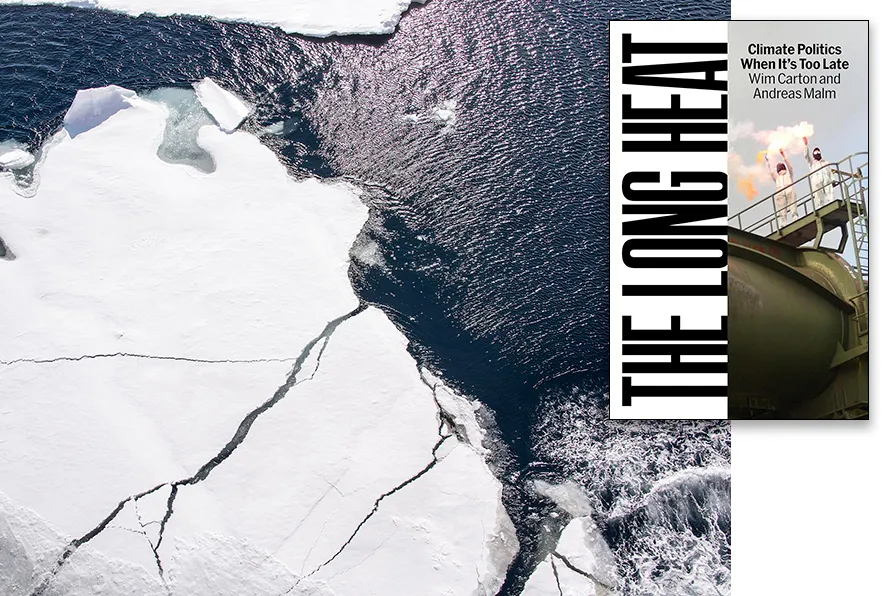
IAN SINCLAIR recommends an important and timely book for climate politics right now and in the future
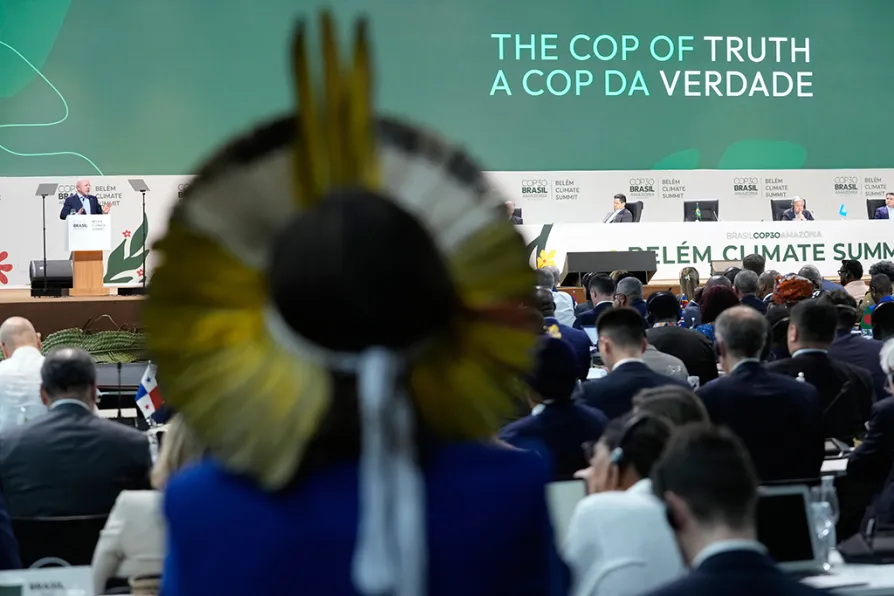
From summit to summit, imperialist companies and governments cut, delay or water down their commitments, warn the Communist Parties of Britain, France, Portugal and Spain and the Workers Party of Belgium in a joint statement on Cop30