Andy Burnham’s message of hope will defeat Reform if Labour delivers the New Deal for Working People in full, says JOANNE THOMAS


 Latest editorial
What is false consciousness?
The MARX MEMORIAL LIBRARY takes a look at a concept key to understanding how ruling-class ideology becomes the ‘common sense’ of ordinary people


The government’s latest asylum proposals abandon labour movement values and fuel division by aping Reform UK, writes DIANE ABBOTT MP
IAN LAVERY MP warns that decades of neoliberal policies have left former industrial communities behind — but a renewed Labour commitment to working people could change the political landscape
We need a government that invests in saving lives not destroying them, argues SOPHIE BOLT
HENRY FOWLER outlines the GFTU’s new 2026-27 education programme and argues that investing in trade union education is essential to building worker power, developing leaders and strengthening collective action
PAOLO SANTALUCIA reports on how an Italian region defies US pressure to end a Cuban doctors programme


FALSE consciousness is a term used to describe the way in which exploited, oppressed or disadvantaged groups in society accept, assimilate and indeed actively defend or promote ideas which ultimately act against their own interests.
It can apply to individuals, to the working class as a whole, or to sections of it. It is closely related to the idea of hegemony (see Q&A 82) and to Marxist concepts of alienation, reification and fetishism (see Q&A 51).
“False consciousness” often manifests itself as so-called “common sense”. Examples include the notion that capitalism, “private enterprise”, profit, “the market” is simply how things are. That those who have power or earn more do so because they are brighter or work harder than the rest of us; that differences in opportunity or in the social position of men and women are natural, determined by their genes; that the status quo is simply just “the way the world works” and can’t be changed.

Similar stories
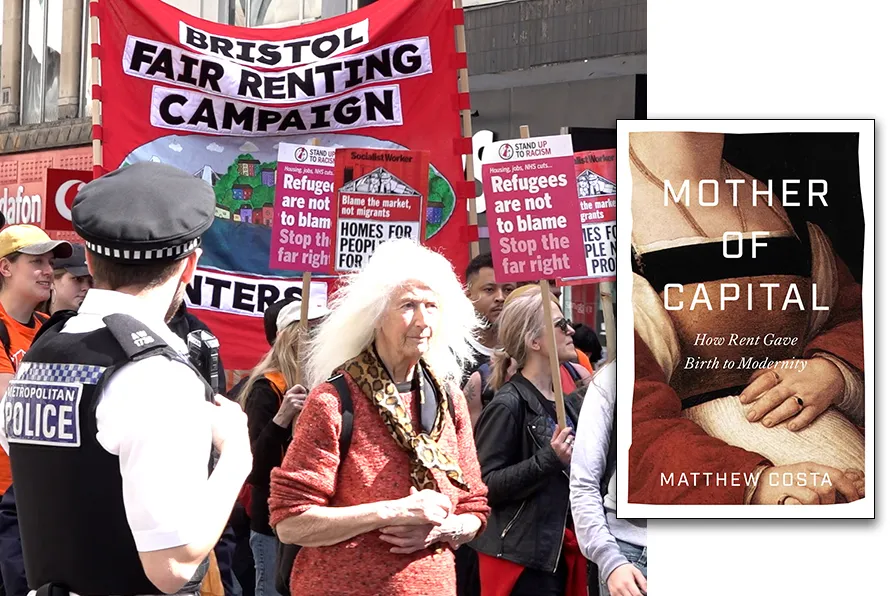
ALEX HALL is fascinated by a lucid and historically convincing account of how rent has dominated capitalist economies from feudalism to modernity
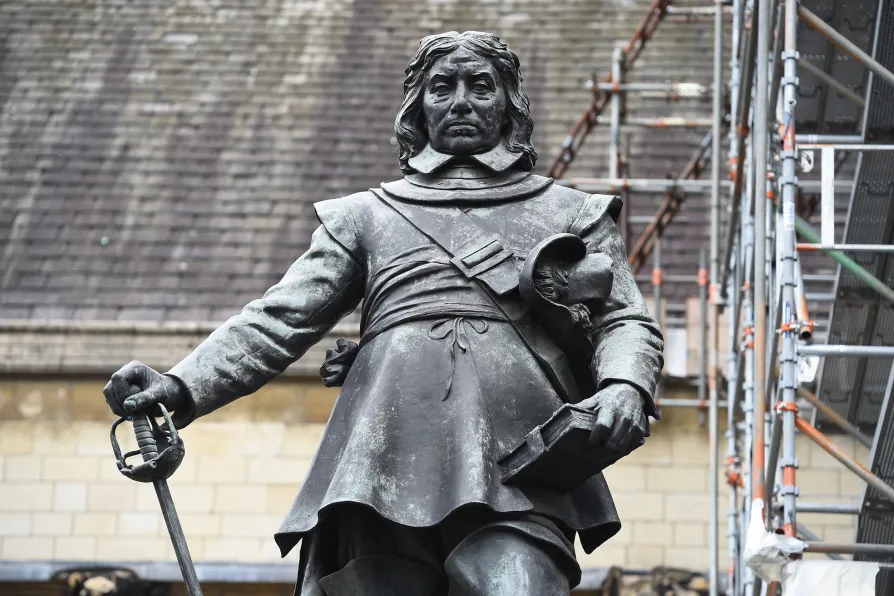
The selection, analysis and interpretation of historical ‘facts’ always takes place within a paradigm, a model of how the world works. That’s why history is always a battleground, declares the Marx Memorial Library
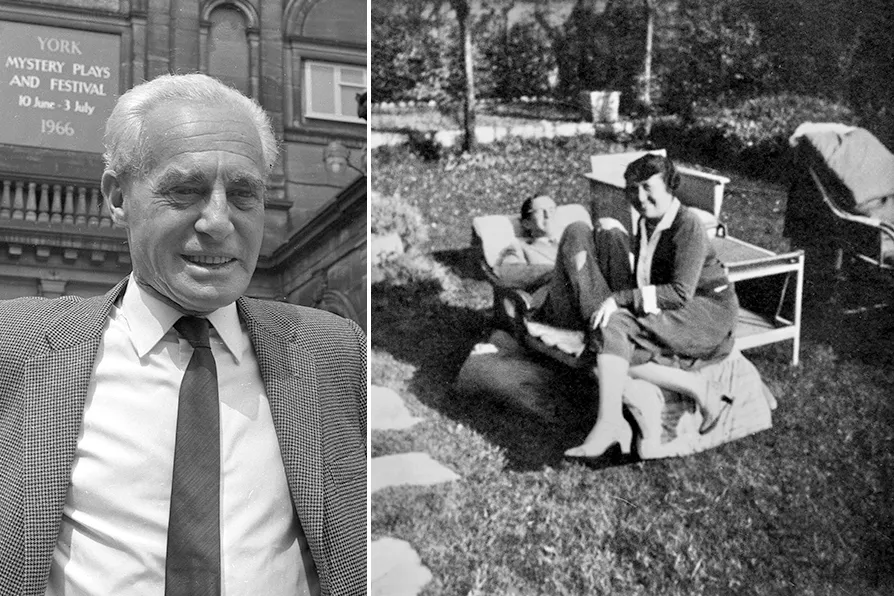
The creative imagination is a weapon against barbarism, writes KENNY COYLE, who is a keynote speaker at the Manifesto Press conference, Art in the Age of Degenerative Capitalism, tomorrow at the Marx Memorial Library & Workers School in London
Paul MacGee of Manifesto Press invites you to a special launch on Saturday August 2.