HENRY FOWLER, assistant general secretary of the General Federation of Trade Unions (GFTU), reports on Day 2 from the GFTU’s residential Summer School at the Workers’ Retreat, Quorn Grange Hotel


 Latest editorial
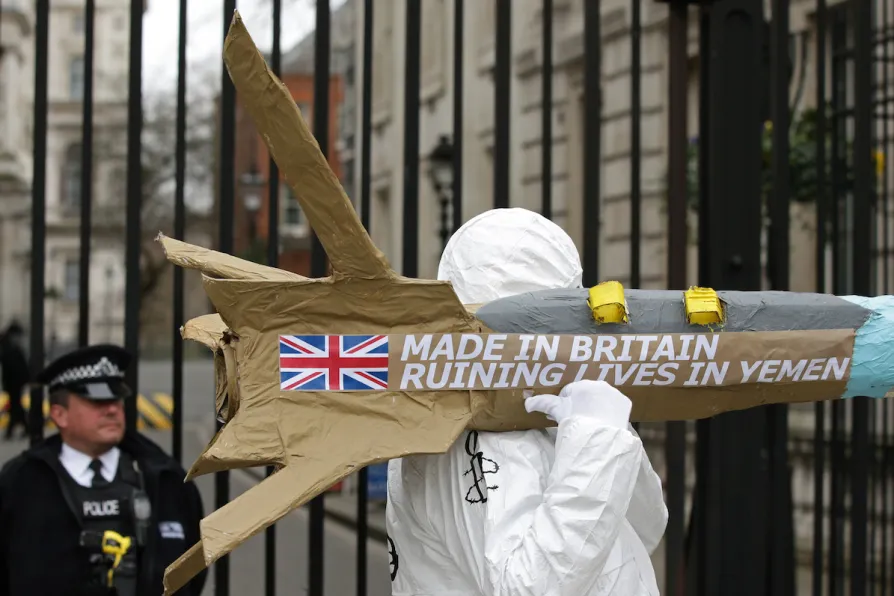
How the media ignores the deadly impacts of British military intervention
The more responsibility the British government and media have for the deaths of people around the world, the less interest they take in these deaths, writes IAN SINCLAIR
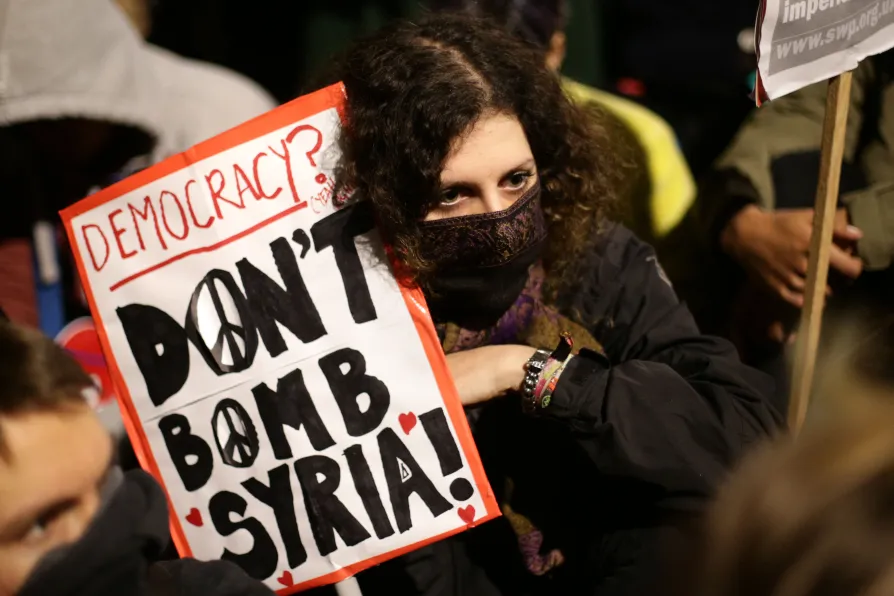 A protester opposes the bombing campaign
Assistant general secretary of the General Federation of Trade Unions HENRY FOWLER reports on day 1 from the GFTU’s residential Summer School at Quorn Grange Hotel
MPs and others called for the urgent release of tortured Palestinian doctor, Hussam Abu Safiya, held hostage by Israel and reportedly near death, reports LINDA PENTZ GUNTER
Strike Map co-founder HENRY FOWLER discusses the significance of today’s joint union letter to video game giant Rockstar, demanding trade union recognition for its workers. Their conversation highlights how our movement can harness its collective power to rebuild union power across the private sector
Capitalism has exploited — and polluted — our natural resources for too long, it’s time we treated our rivers as living beings, writes MIRIUM GAUNTLETT, LIAM SHAW and ROX MIDDLETON
The PM leaves office having squandered Labour’s electoral mandate and alienated its grassroots. He will not be missed, writes BRIAN LEISHMAN MP


US JOURNALIST Glenn Greenwald’s tweet declaring he has “never encountered any group more driven by group think and rank-closing than British journalism” is an evergreen observation.
It’s especially accurate during times of war, with the air campaign waged by the US-led coalition against the Islamic State of Iraq and Syria (Isis) a good case study in support of Greenwald’s assertion.
Britain joined the bombardment following parliamentary votes in support of bombing in Iraq (September 2014) and Syria (December 2015).

Similar stories
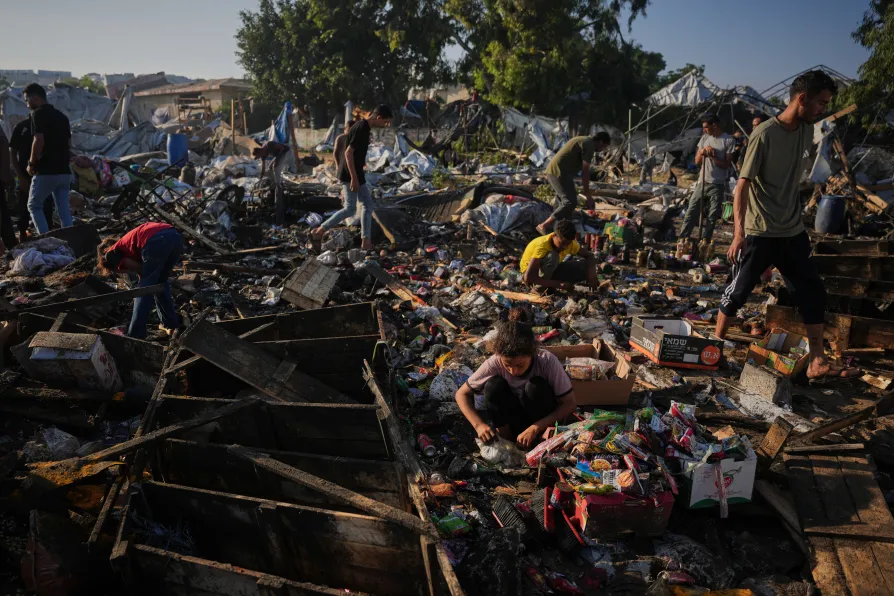
IAN SINCLAIR examines the curious memory lapses across liberal media when it comes to British government crimes
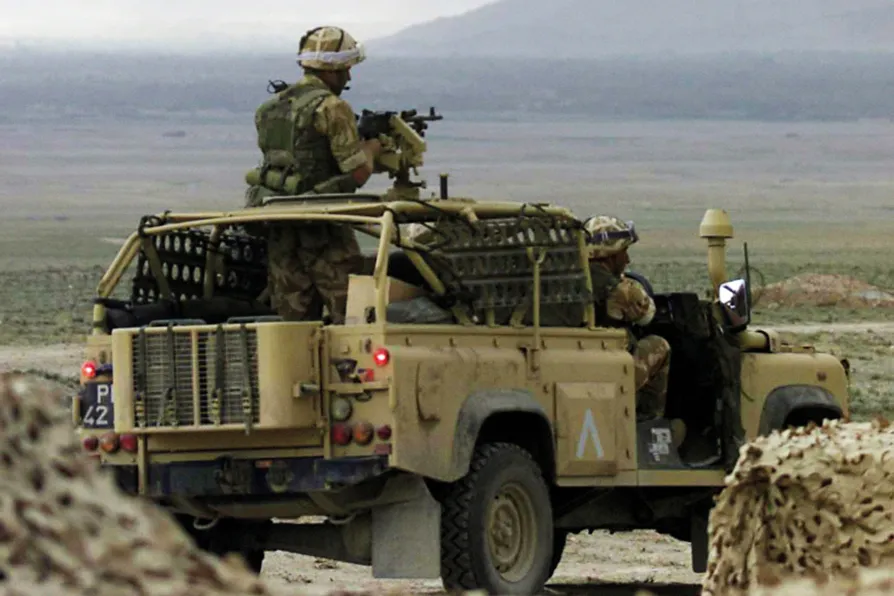
Outrage greeted Donald Trump’s suggestion earlier this year that Britain stayed off the front lines. But evidence suggests our forces were at times pulled from the most dangerous fighting — not by military failure, but by pressure at home, says IAN SINCLAIR

The media present Starmer as staying out of Trump’s war — but we’re already deeply involved in a conflict that sees the US and Israel kill civilians on a huge scale, argues IAN SINCLAIR