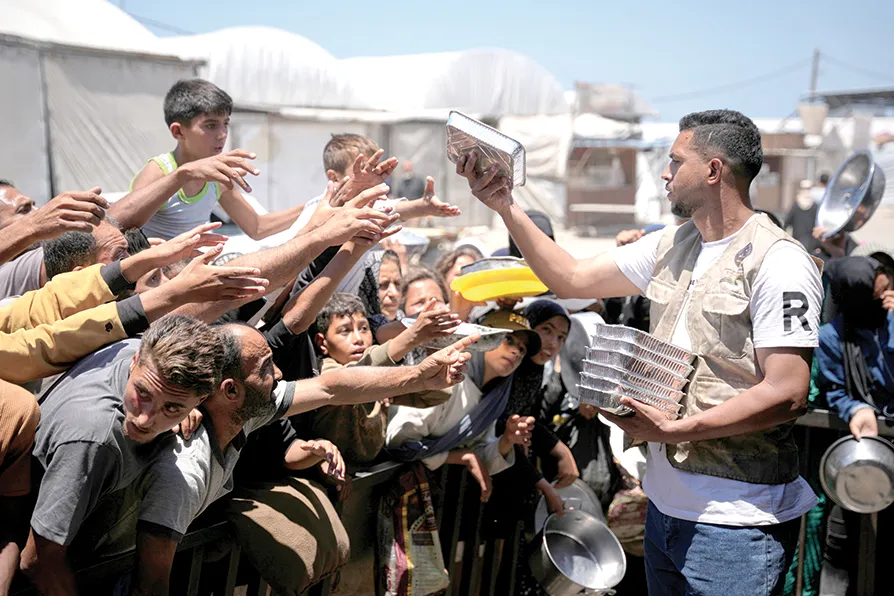
While international attention focuses on ceasefire frameworks, Israel is openly advancing plans for a permanent expansion of its control over Gaza, writes RAMZY BAROUD


 Latest editorial
Lessons to be learned from the war on teachers
HOWARD STEVENSON explains that the recent successes of the teaching unions were the result of a conscious turn to politics and a strategic approach to building workplace power
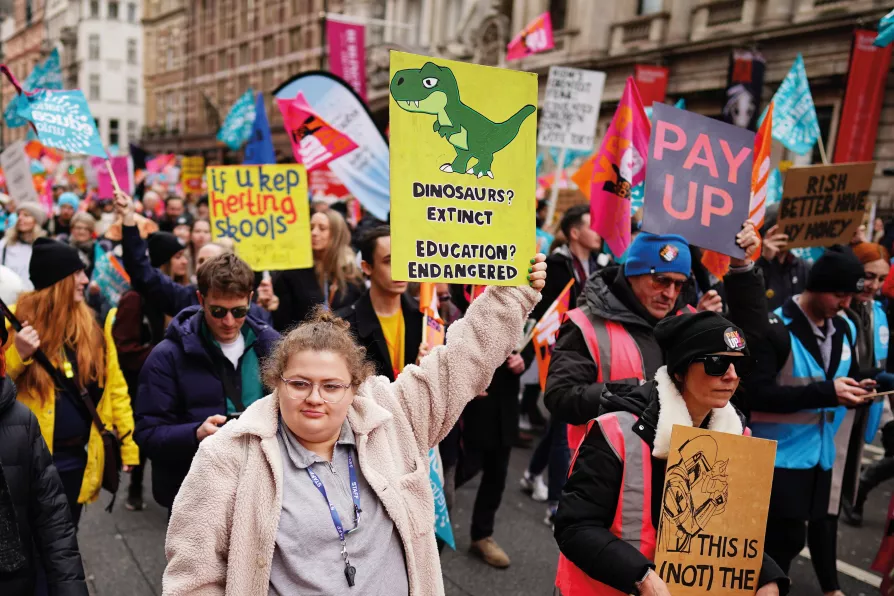 The strategic shift to building workplace organisation, combined with a commitment to outward-facing campaigning and alliance building, has been a key part of the teaching unions recent success
Researchers PAUL HOLDEN and JESSICA MURRAY are calling for whistleblowers and documentary records to uncover how Labour Together helped build the parliamentary majority that now dominates the Labour Party
Cuba continues to embody a vision of internationalism that imperialism has never forgiven, argues ZOLTAN ZIGEDY
PCS general secretary FRAN HEATHCOTE explains why opposing war is inseparable from defending jobs, wages and public services – and why readers should come to the London Peace Conference on Saturday June 20
As protests erupt over Henry Nowak’s murder, ANDREW MURRAY argues that anger is being exploited to advance a wider racist and anti-immigration agenda
CARLOS MARTINEZ explains the sound case for car manufacturing co-operation with China


AT the opening of the National Education Union (NEU) annual conference delegates were informed that 195,564 members had participated in a rapid e-consultation on the government’s pay proposals and that an enormous 191,319 (98 per cent) had voted to reject the offer.
The result is extraordinary for two reasons. First, and most obvious, is the sheer size of the numbers showing both a strength of feeling, but also a deep level of engagement by members in their union. The numbers voting exceeded the number who participated in the original industrial action ballot.
Secondly, and perhaps more importantly, the result is extraordinary for what it represents — the collective power of organised teachers combined in a union.

Similar stories
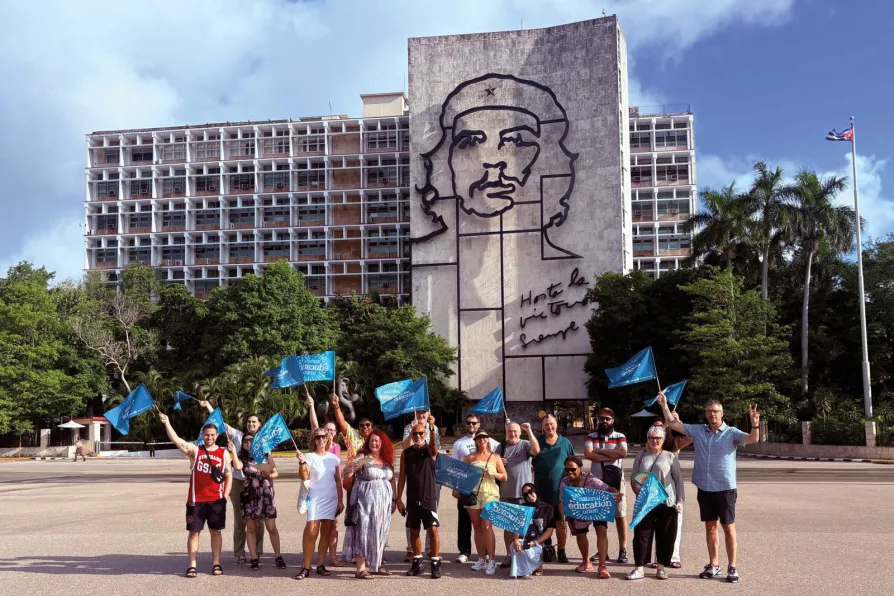
A teaching delegation to Cuba offered IAN DUCKETT a powerful glimpse into a schooling system defined by care, creativity and the legacy of the island’s remarkable 1961 literacy campaign
LAURA PIDCOCK and PAUL O’CONNELL introduces Rise, a political platform for working-class activism
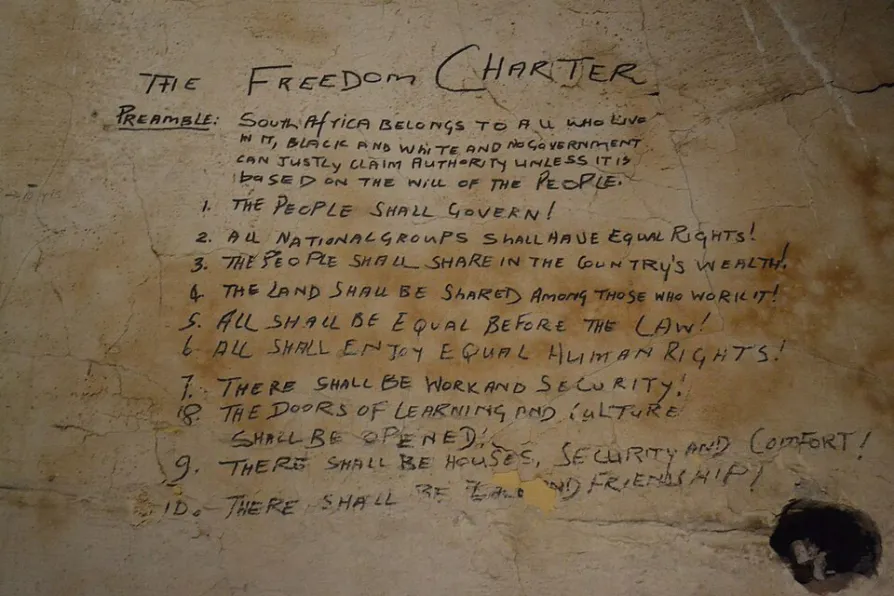
The charter emerged from a profoundly democratic process where people across South Africa answered ‘What kind of country do we want?’ — but imperial backlash and neoliberal compromise deferred its deepest transformations, argues RONNIE KASRILS

NICOLA SARAH HAWKINS explains how an under-regulated introduction of AI into education is already exacerbating inequalities