The Tories introduced the 50% strike ballot threshold to make industrial action harder. MATT WRACK argues that a Labour government has no justification for leaving it on the statute book


 Latest editorial
Let’s redesign the working week to best suit workers
There’s a growing evidence base that shows a four-day working week is beneficial to both productivity and worker wellbeing, writes JACK SARGEANT
 [Jon Tyson / Creative Commons]
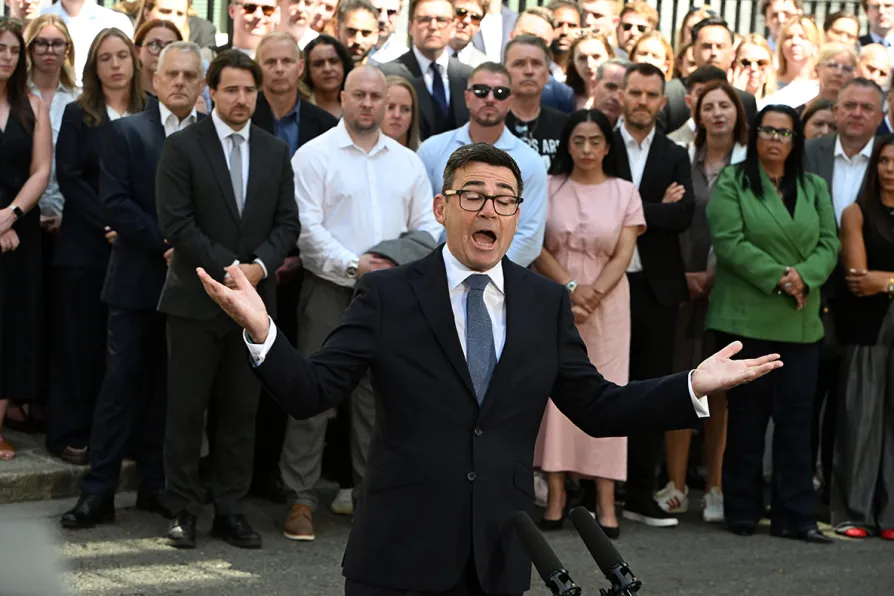
In the wake of Ann Widdecombe’s murder, JOHN GREEN wonders whether the government will really get to grips with the root cause of these attacks on our MPs
The new PM’s opening addresses offered hope, council homes and reform — but little detail on how any of it will be delivered, warns CLAUDIA WEBBE
Despite the screeching from the right-wing media, Burnham’s speech chimed with the public mood - and socialists should take advantage, says Morning Star editor BEN CHACKO
Scotland's Labour leader cannot continue to evade responsibility for the party's decline, argues LAUREN HARPER
Nature as well as society works dialectically, asserts the Marx Memorial Library and Workers’ School


THE WAY we work is changing. While some would prefer to ignore this fact, external forces are accelerating this transformation.
Global events continue to have a significant impact on the workplace, from the pandemic that instantly changed our working practices to the development of artificial intelligence (AI) and the climate crisis.
Alongside these, we face other challenges including some of the longest working hours in Europe, sub-standard productivity levels and a crisis in staff retention.

Similar stories
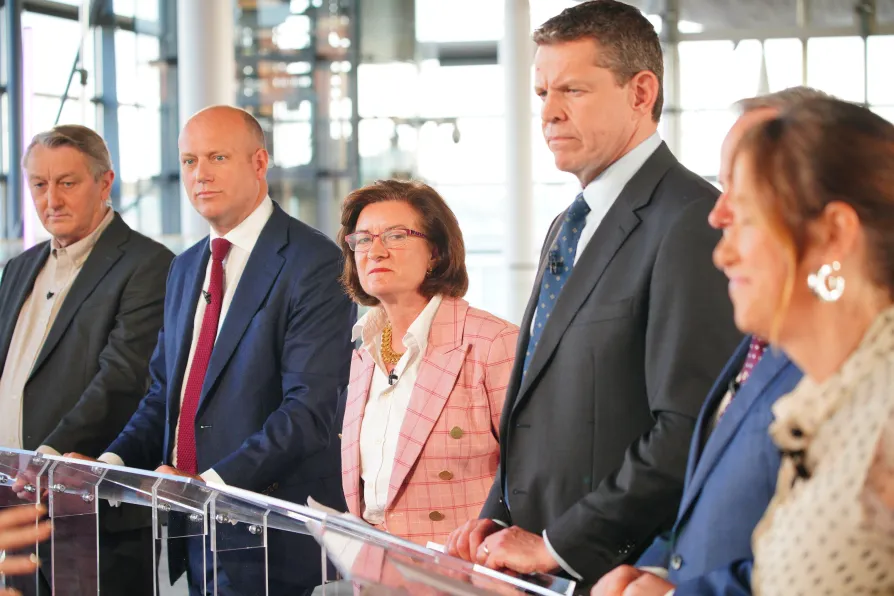
The election offers a critical chance to shape the future of pay, care and community provision in Wales, says Unison’s JESS TURNER
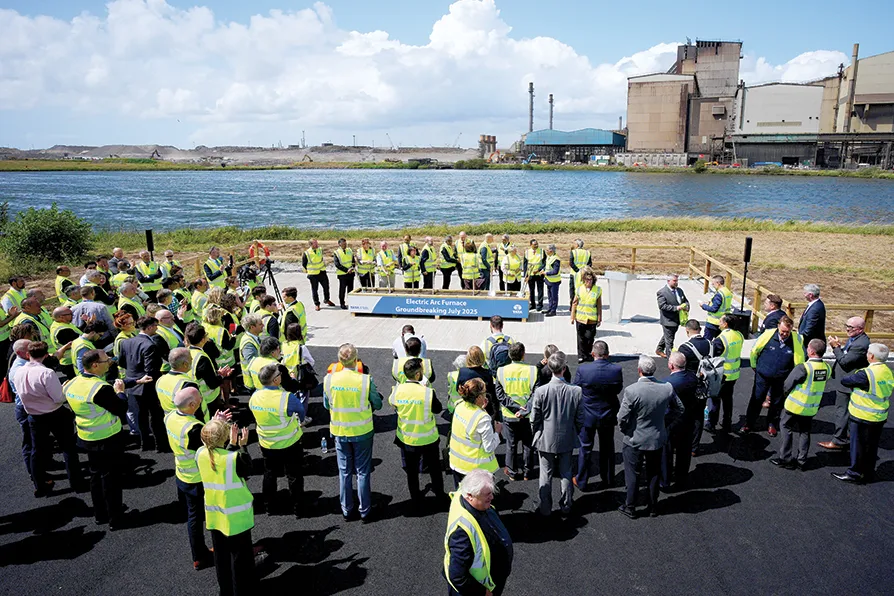
LUKE FLETCHER outlines Plaid Cymru bold plans for wide-ranging policy consultations with trade unions in Wales

If the government really wanted to address public finances, improve living standards and begin economic recovery, it would increase its borrowing for investment, argues MICHAEL BURKE