In the wake of his recent humanitarian visit to Cuba, RICHARD BURGON points to the now urgent need to defend the island’s political sovereignty and its right to self-determination


 Latest editorial
The new Chile Constitution requires urgent scrutiny by its future subjects
GONZALO MAGUEDA urges fellow Chileans to ignore the negative speculation in the media and go to the ‘horse’s mouth’ for all the information regarding the contents of the new constitution
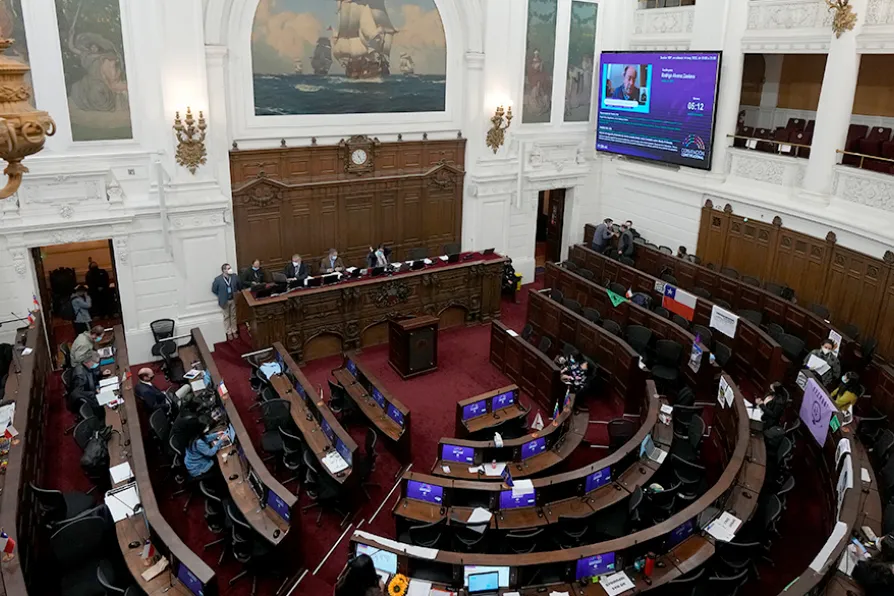 The Constitutional Convention votes, last Saturday, on the latest provisions of the draft Constitution which will be put to a referendum on September 4 in which all Chileans aged 18 or older must vote. The Saturday's proposal recognises for the first time the existence of 11 native peoples who are 12.8 per cent of the 19 million Chileans
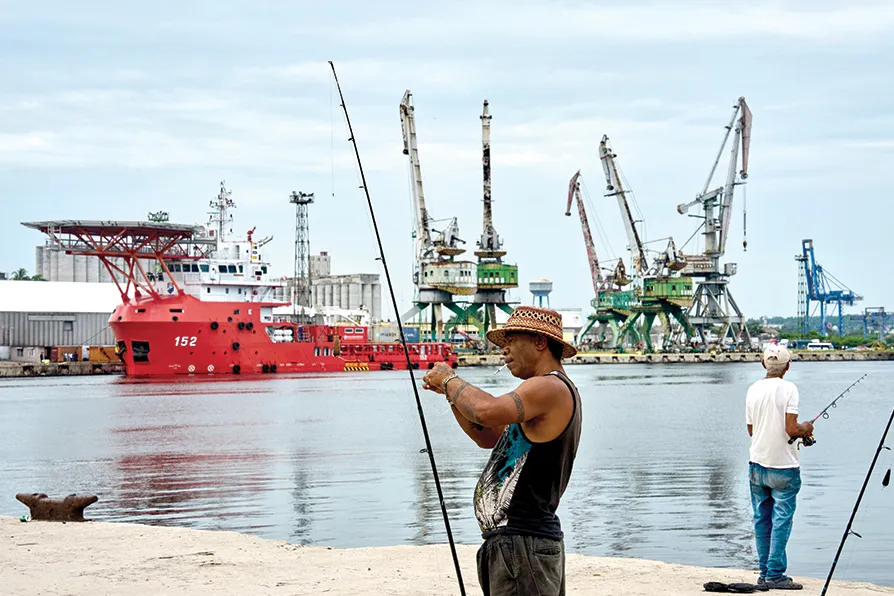
Thousands of jobs are at risk across higher education, yet government funding appears only when universities can be linked to military objectives, says JO GRADY, in the run-up to the Stop the War International Conference this Saturday
The Wye, Usk, Arrow and Lugg were once treasured for their clean waters – today, pollution and corporate excess are fuelling demands for a return to public ownership, says MARK SEDDON
The new Employment Rights Act is a step forward, but restoring collective bargaining and union power remains essential to tackling insecurity, outsourcing and low pay, says PAUL WHITEHOUSE
Rising support for Farage’s party reflects Labour’s failure to defend working-class living standards or offer a credible alternative to neoliberal decline, says JOSEPH MILLS
Trade unionists are mobilising to support Cuban workers and public services, amid escalating US pressure on the socialist island. RONAN OGILVY explains


CHILEANS need to know what is being included in the new constitutional text agreed by the Constitutional Convention. They need to know what is said about health, education, housing, human rights and the Establishment and that Chile will have a “social and democratic state based on the rule of law,” with a “plurinational, intercultural and ecological” character.
As has been said, many a time, there is in the media a lot of distortion, “fake news,” lies and myths. There is also a worrying lack of efficient, wide-ranging dissemination of the contents, the sections of which on average have been approved with 120 votes, — more than 60 per cent of the Constitutional Convention.
Let’s look at just some of the contents of the new constitutional text, agreed a few weeks ago and some as recently as last Saturday.
On health, where the approved text says: “Everyone has the right to health and integral wellbeing, including its physical and mental dimension,” it further states that: “the state shall: provide the necessary conditions to reach the highest possible level [of service]. Strengthen the development of public and private institutions. Generate mental health policies and programmes, increasing their funding.” The latter does not exist in Chile today.
On education it has been agreed that: “The primary and obligatory duty of the state is to ensure the right to education for all people. Education must be provided under the principles of co-operation, non-discrimination, inclusion, justice, participation, solidarity, interculturalism, gender focus and pluralism.”
It is clear that “it must be of quality” and it further states that the national education system “must be secular and free of charge.”
But there is a chink here; it also says that there will be “freedom for parents and guardians to choose the type of education for their children.”
With regards to housing, the proposal is that: “Everyone has the right to decent and adequate housing, which allows the free development of a personal, family and community life. The state shall ensure this right and may participate in the design, construction, rehabilitation, conservation and innovation of housing, with particular consideration for low-income or vulnerable groups.”
Let’s look at what was agreed on labour. “The state guarantees decent work and its protection, fair working conditions, health, safety, rest and leisure, including trade union organisations.” It adds that workers “shall have the right to equitable, fair and sufficient remuneration to ensure their livelihood and that of their families.{
In addition, the new constitution “prohibits all forms of precarious work, forced, humiliating or degrading work.” Furthermore, domestic and care work is recognised as “socially necessary and indispensable for the development of society.”
Food policy is, generally, little talked about but all important and the right to adequate food [nutrition] is now constitutionally established. “Everyone has the right to healthy, sufficient, complete and culturally relevant food. Including special foods for those who require it. The state shall guarantee the availability of and access to food, especially in isolated areas.”
On family policy the new constitution enshrines the recognition and protection of “families in their diverse forms, expressions and ways of life, not restricting [it to] exclusively filial and consanguineous ties.”
A sticking point [for the right] is that “the state has the obligation to promote, respect, protect and guarantee human rights in accordance with the provisions and principles of international human rights law. It must also prevent, investigate, punish and make full reparation for human rights violations.{
Most importantly Article One of the new constitution states that “Chile is a social-democratic state governed by the rule of law. It is plurinational, intercultural and ecological.
“It is constituted as a republic of solidarity, its democracy rests in the parity of its citizens and it recognises as intrinsic and inalienable the values of dignity, freedom, substantive equality of human beings and their indissoluble relationship with nature.
“The protection and guarantee of individual and collective human rights are the foundation of the state and it [shall] guide all its activities. It is the duty of the state to generate the necessary conditions and provide the goods and services to ensure the equal enjoyment of rights and the integration of people in political, economic, social and cultural life for their full development.”
This is a solid, real and unequivocal basis that shows we are leaving behind the 1980 constitution by the military and moving towards a different society and a different country altogether, with new rules and which, above all, guarantee equal rights to all citizens.
Various articles of the new text establish the rights of indigenous peoples, defines sovereignty as residing in the people, an inclusive, parity-based democracy that will be exercised in a direct and participatory manner.
Good Living in Chile [the title of the new constitution] recognises and promotes: “a relationship of harmonious balance between people, nature and the organisation of society [the state].”
Gonzalo Magueda is a journalist on El Siglo, the newspaper of the Communist Party of Chile.

Similar stories
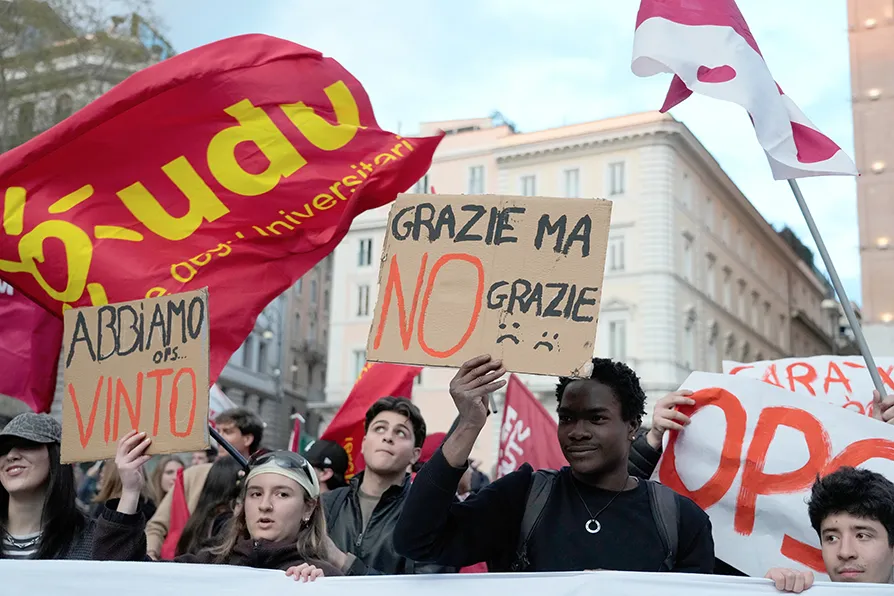
Italians reject controversial judiciary reforms in a referendum that boosts the left, reports NICK WRIGHT
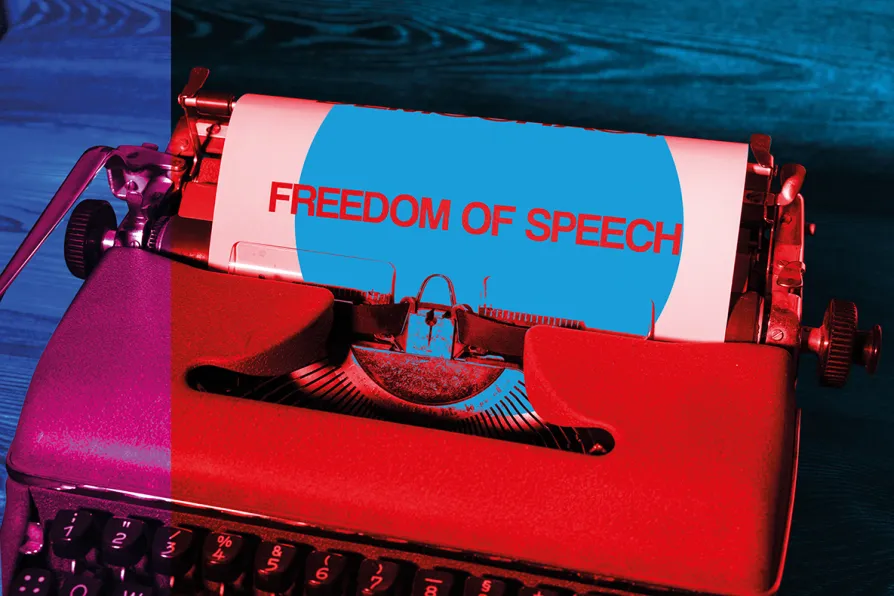
ANSELM ELDERGILL examines the difficulties surrounding freedom of expression
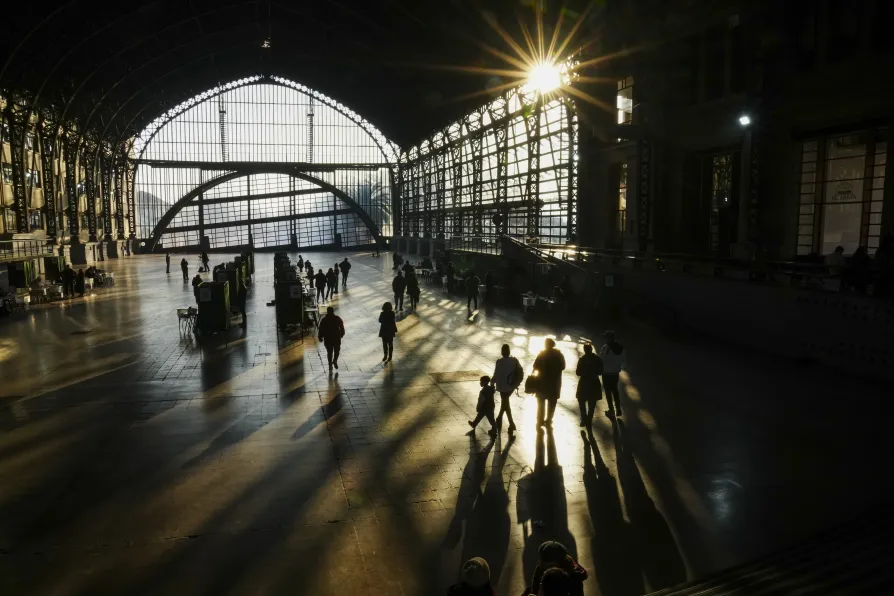
Communist Party presidential candidate JEANNETTE JARA challenges the Chilean left to stop talking only among comrades and reach out to angry voters abandoned by politics in the race against the far right this November
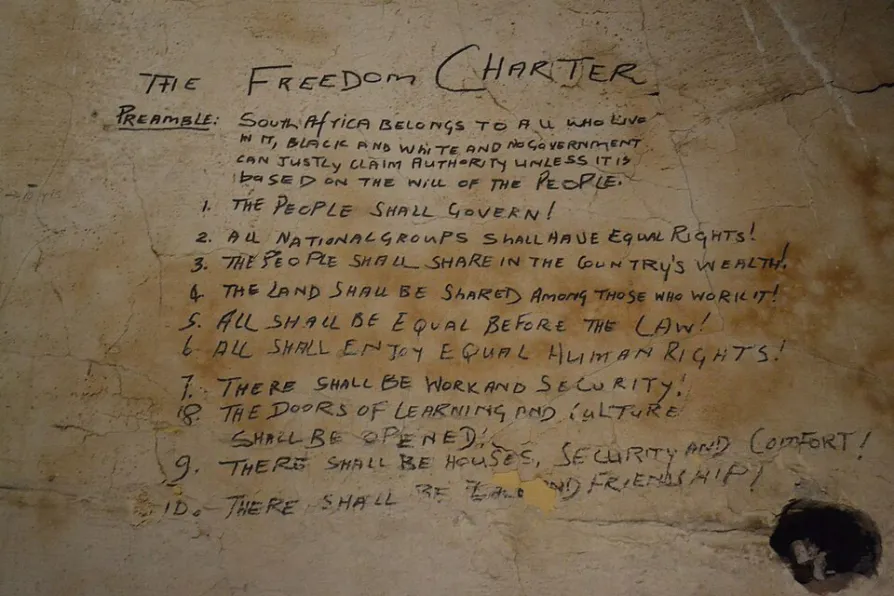
The charter emerged from a profoundly democratic process where people across South Africa answered ‘What kind of country do we want?’ — but imperial backlash and neoliberal compromise deferred its deepest transformations, argues RONNIE KASRILS