The new Employment Rights Act is a step forward, but restoring collective bargaining and union power remains essential to tackling insecurity, outsourcing and low pay, says PAUL WHITEHOUSE


 Latest editorial
Rosa Luxemburg and the regenerative power of nature
The prison letters of the great Polish revolutionary reveal how birdsong and the limited parts of the natural world she could observe from her cell sustained her during her incarceration, writes JOHN GREEN
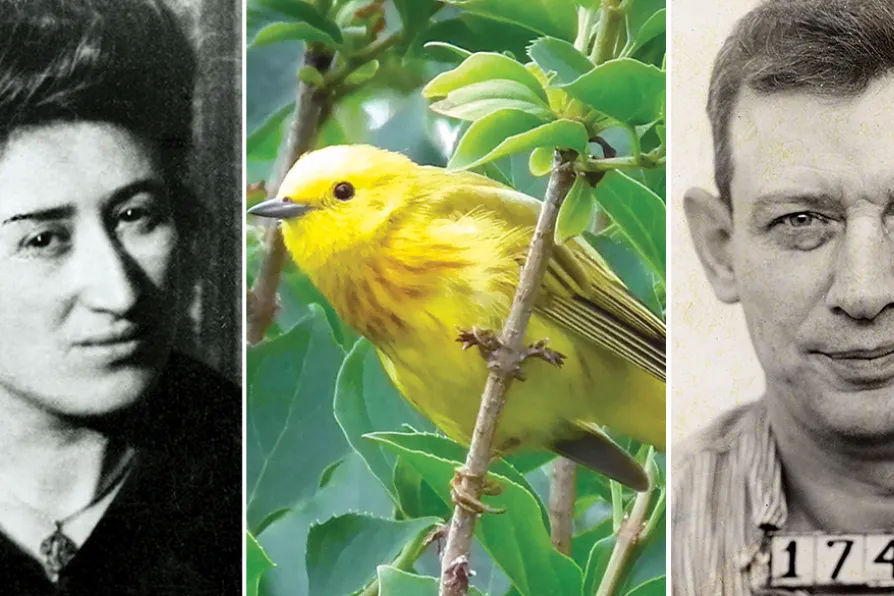 (L to R) Rosa Luxemburg in 1910, Berlin, yellow mocking bird and Robert Stroud in the late 1930s
[(L to R) Public domain - GeoffClarke/CC -US Federal Government/Public domain]
(L to R) Rosa Luxemburg in 1910, Berlin, yellow mocking bird and Robert Stroud in the late 1930s
[(L to R) Public domain - GeoffClarke/CC -US Federal Government/Public domain]

Trade unionists are mobilising to support Cuban workers and public services, amid escalating US pressure on the socialist island. RONAN OGILVY explains
The defence secretary’s resignation reveals not a split over principle but a dispute over pace of military spending, as Britain’s political Establishment unites behind deeper Nato commitments, argues NICK WRIGHT
The ceasefire may have halted the fighting for now, but years of economic warfare and recent military attacks have left millions of Iranians facing hardship and uncertainty, says Codir’s RUBEN BRETT
The struggle for Palestinian freedom has become a defining issue for everyone committed to justice, democracy and peace, says PETER LEARY ahead of the Stop the War International Conference on Saturday
Unison director of organising KEVIN LUCAS explains the Organising to Win strategy, its successes to date and key tests on the union’s horizon


IT IS notoriously difficult to describe birds’ songs in words, apart from the those like the cuckoo and chiff-chaff, whose names perfectly describe their songs.
In notes Rosa Luxemburg wrote in prison, she describes in words a number of the bird songs she heard from her cell. Her descriptions are so precise, that it is possible, over 100 years later, to identify the species of birds she was listening to.
Luxemburg was one of the key foundation figures of the socialist movement that emerged in the late 19th and early 20th centuries.

Similar stories

JOHN REES replies to Claudia Webbe

Hundreds in Berlin gathered on January 15 to honour the US-born socialist who made East Germany his home. Florentine Morales Sandoval reports

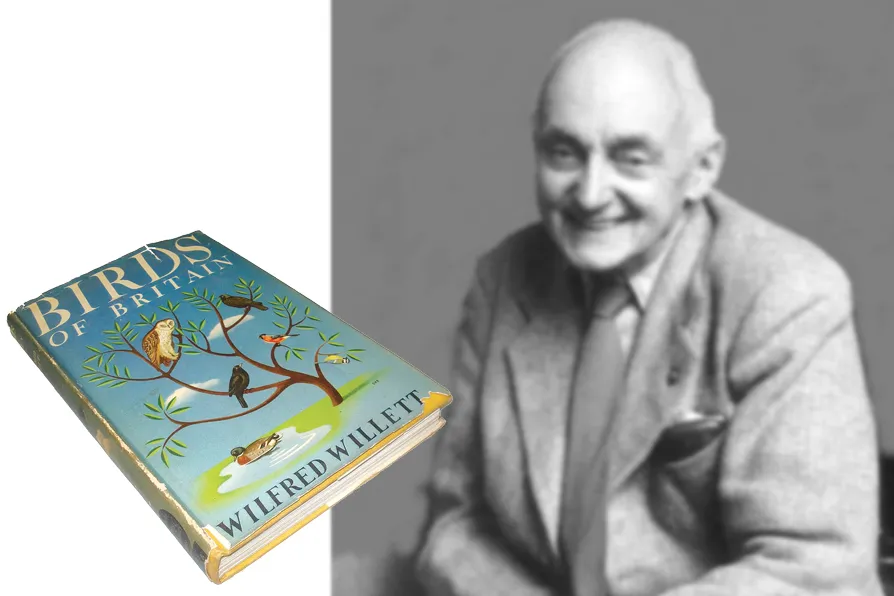
A WWI hero, renowned ornithologist, medical doctor, trade union organiser and founder member of the Communist Party of Great Britain all rolled in one. MAT COWARD tells the story of a life so improbable it was once dismissed as fiction