IAN LAVERY MP says an immediate focus on raising wages and reducing costs must be part of a strategy to show Labour can deliver for workers again


Who will remember the sex trafficking victims?
Considering the monstrous profits that third parties can make from women’s prostitution, it’s not hard to figure out why some people might want to remove it from the scope of anti-trafficking law, says ANNA FISHER
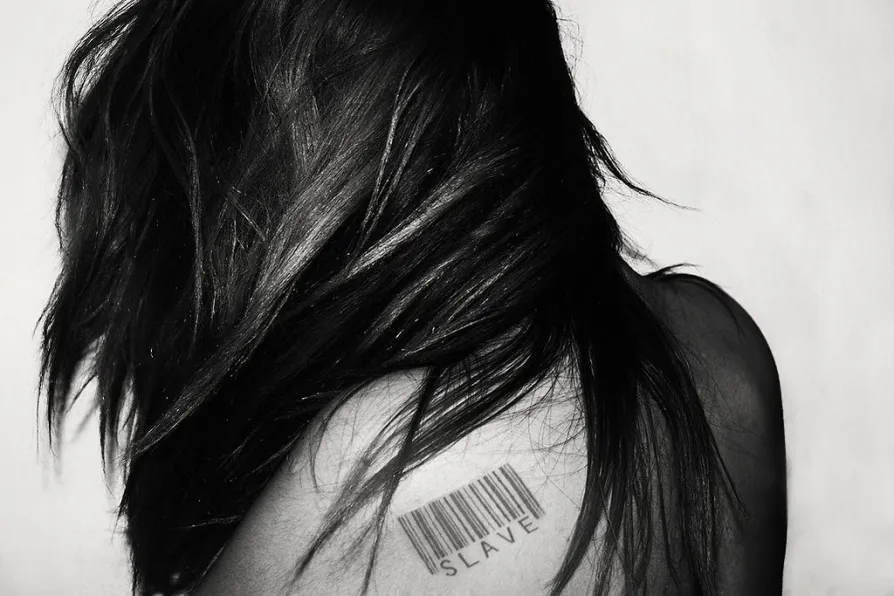
 [flickr.com/photos/iragelb/]
Friedrich Merz’s call for a new Plaza Accord ignores how Washington’s 1985 currency ambush destroyed Japan without fixing US deficits — China, a sovereign socialist state with 1.4 billion consumers, cannot be bullied the same way, writes CARLOS MARTINEZ
World Peace Council president PALLAB SENGUPTA assesses the challenges facing the international peace movement and sends greetings to the Liberation AGM
KIERA MARSHALL says there is a gulf between the privileged circles in which most politicians move and the lives of working-class youth in left-behind estates – and as a newly elected Senedd member she’s determined to do something about it
ANGUS REID and ANDREW JOHNSTONE report on an initiative that we must take this summer
At last weekend’s International Conference Against War, LINDA PENTZ GUNTER talks to the Palestinian physician and politician about the struggles ahead to achieve a truly free Palestine


TODAY is United Nations Day Against Trafficking in Persons. This year’s theme is listening to the victims and learning from them. But how can we do this if we don’t see them?
It has long been recognised that trafficking for the purpose of the exploitation of the victim’s prostitution (sex trafficking) is the most common form of human trafficking and that the vast majority of its victims are female. This is down to the vast profits that can be made selling women and girls in prostitution.
By way of example, a British man recently made £1.6 million in one year from the prostitution of women in his brothels. As Tony Talbott put it, “You can sell a kilo of heroin once; you can sell a 13-year-old girl 20 times a night, 365 days a year.”

Similar stories

ANNA FISHER explores what would it mean for women’s equality and public safety if Britain embraces full commercialisation of the sex trade

Legal frameworks designed to safeguard women are too often weaponised against them, reinforcing male power and entrenching injustice. The FiLiA Ending MVAWG Team highlight some of the issues
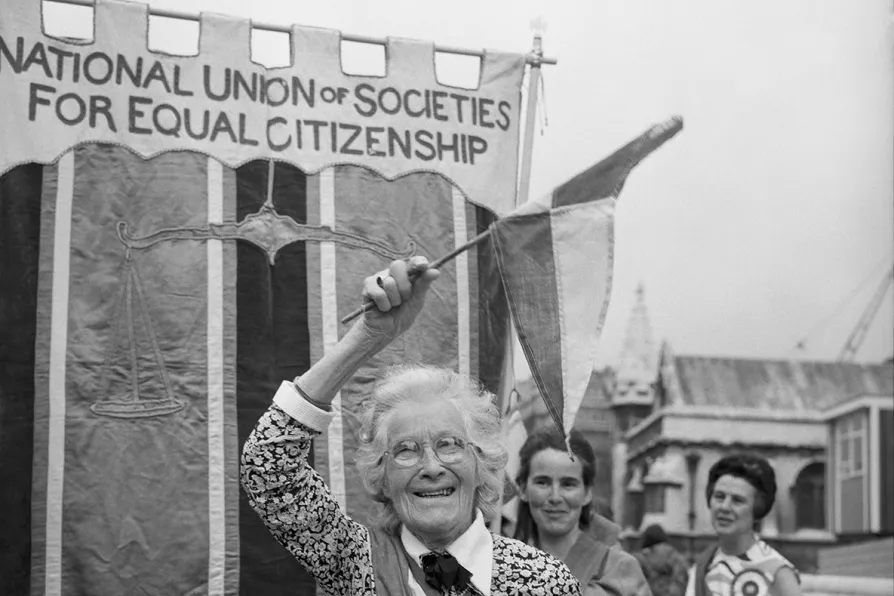
Half a century after transformative laws reshaped Britain, women’s rights are again contested. This International Women’s Day is a call to remember how change was won, and to organise to defend it, says KATE RAMSDEN
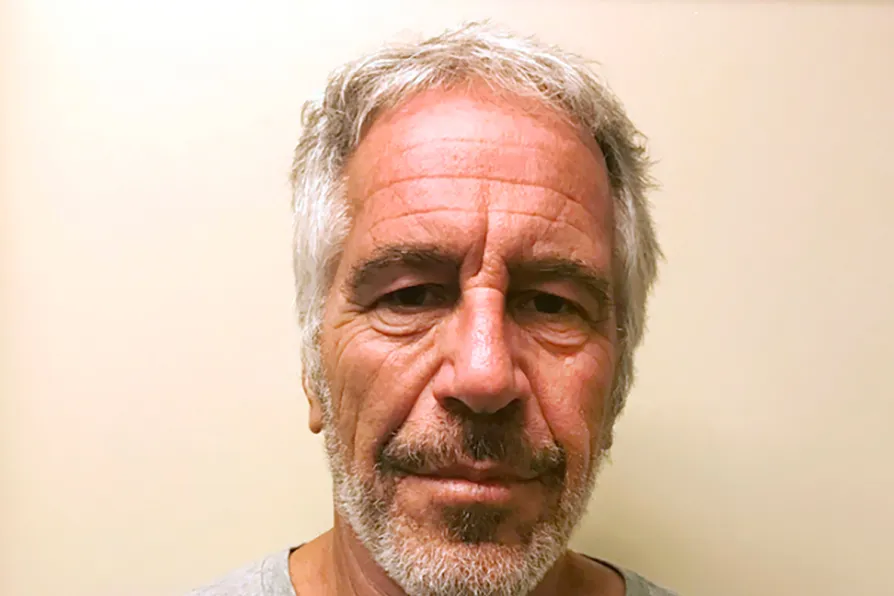
The legacy of socialist feminists such as Alexandra Kollontai challenges us today to confront an uncomfortable truth: framing prostitution as empowerment lets the abusers of the Epstein class off the hook, warns HELEN O’CONNOR