HENRY FOWLER, assistant general secretary of the General Federation of Trade Unions (GFTU), reports on Day 2 from the GFTU’s residential Summer School at the Workers’ Retreat, Quorn Grange Hotel


 Latest editorial
Why the Syrian Communist Youth are optimistic about the future
JACK TRUSTAM interviews KHALED BAKDASH, president of the university of Damascus student union and secretary of the international relations bureau of the Syrian Communist Youth Union
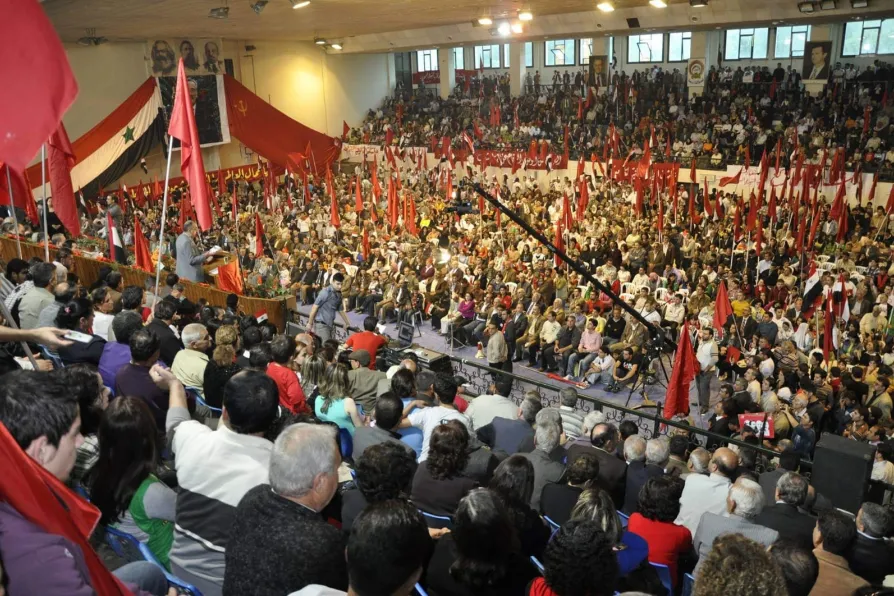 Syrian Communist Party rally in 2018
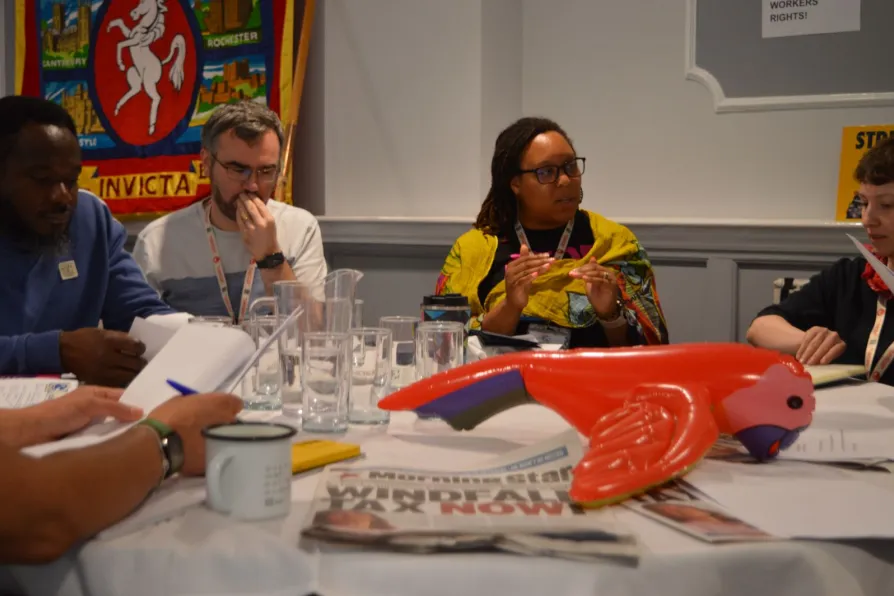
Assistant general secretary of the General Federation of Trade Unions HENRY FOWLER reports on day 1 from the GFTU’s residential Summer School at Quorn Grange Hotel
MPs and others called for the urgent release of tortured Palestinian doctor, Hussam Abu Safiya, held hostage by Israel and reportedly near death, reports LINDA PENTZ GUNTER
Strike Map co-founder HENRY FOWLER discusses the significance of today’s joint union letter to video game giant Rockstar, demanding trade union recognition for its workers. Their conversation highlights how our movement can harness its collective power to rebuild union power across the private sector
Capitalism has exploited — and polluted — our natural resources for too long, it’s time we treated our rivers as living beings, writes MIRIUM GAUNTLETT, LIAM SHAW and ROX MIDDLETON
The PM leaves office having squandered Labour’s electoral mandate and alienated its grassroots. He will not be missed, writes BRIAN LEISHMAN MP


Jack Trustam: In Britain, many people’s understanding of the war in Syria is hazy at best, although many of us have good enough sense to distrust the mainstream media and its blatant misrepresentation of imperialist interventions. Could you give us a brief overview of the war in Syria?
Khaled Bakdash: Absolutely. Firstly, the attack on Syria was because of natural resources. Syria has the third biggest natural gas reserves and has resisted attempts to construct an oil and gas pipeline from the Persian Gulf, Qatar in particular, to Europe, which would damage Russia as the main European supplier. Nowadays Syria is the only Arab state that defies imperialist expansionism and was a pillar of support for resistance in Iraq, Lebanon and Palestine. Reactionary regimes like Saudi Arabia, Qatar and Jordan consider Syria’s example unforgivable. Syria’s war differs from Iraq and Afghanistan, which were very expensive and rather unsuccessful. Starting with the Obama administration, US wars took an indirect form like that of the “Arab Spring” in Libya, or the “Colour Revolutions” in eastern Europe, but modernised.
The war has had four stages overall.

Similar stories
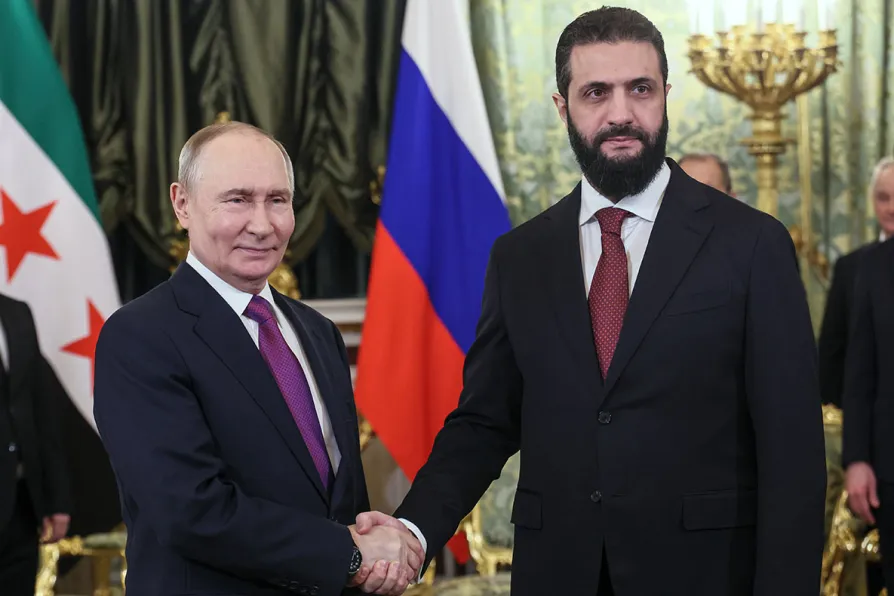
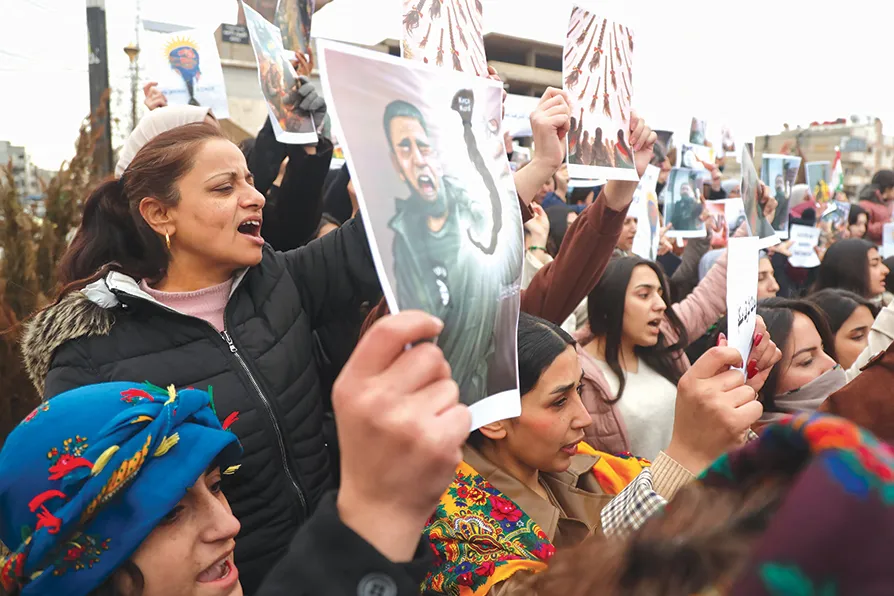
VIJAY PRASHAD details how US support for Syrian President Ahmad al-Sharaa allowed him to break the resistance of the autonomous Syrian Democratic Forces (SDF)

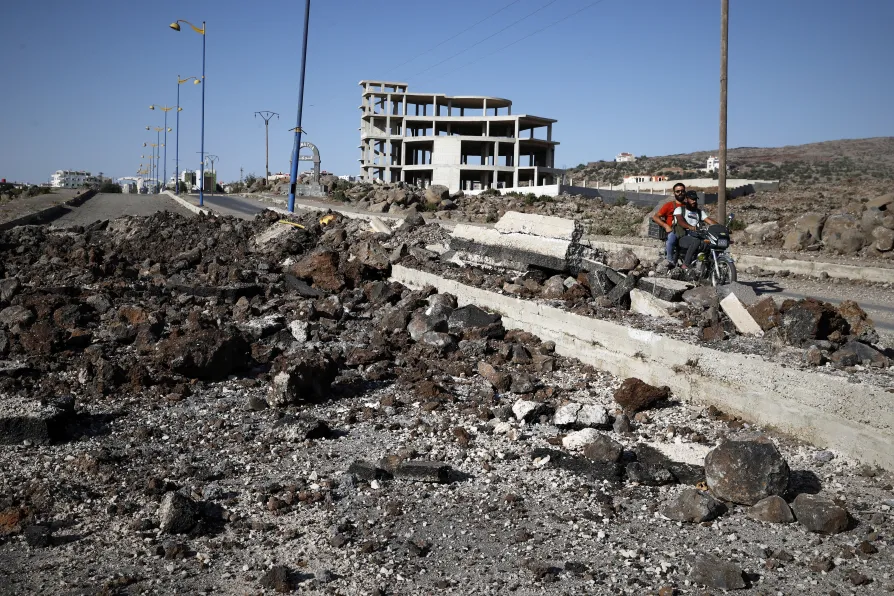
VIJAY PRASHAD looks at the web of militias and drug-trafficking gangs that emerged in the Sweida region through the Syrian civil war, and how they relate to recent clashes and Israel’s intervention